Are All Pictures Worth a Thousand Words?

Recently I read an article in The New York Times addressing the ramifications of the ease of digital photography and our need to record and distribute our every move with selfies.** The author, Alex Williams, wondered if we are becoming a world of narcissists missing out on the pleasures of being attentive to our surroundings. He asks if it is better “to live for the moment or record it?”

The fact that I am repeating this question in an over-used form of self-absorption, a blog about my travels and experiences, is the ultimate hypocrisy. My justifications are that this blog is a way for my family and friends to keep track of me, to share my experiences in somewhat real time versus a lengthy slideshow later, to let them know where I am in case I go missing, and to make up for all those phone calls and texts that are too expensive when using international data plans. The photos (admittedly some in the selfie category) are to enhance the blog and show them I am more than all right. Where this logic fails is in my constant perusal of the website statistics. I question why there are no visitors on a certain day or what countries are represented by my visitors. Maybe I should tag my blog posts to gain a higher readership. It seems that I need validation from others. How is this different from posting my mug on Facebook daily or tweeting my every thought before it escapes my limited brain capacity or recording all the cute antics of my grandchild? The sad truth is that it isn’t much different, but I do have an opinion (which I freely share) on the recording of life’s every moment on a digital device. Our obsession with social media is overkill.

Overkill happens when we spend more time composing a photo to post on Facebook, than we do enjoying our location or the event we are recording. This is a personal decision and it depends on the circumstances. But what if we miss the big event because we are focused through a camera lens?

But recording and posting is more than overkill, it can be personally intrusive to those people in our social and family circles who do not wish to be immortalized in a viral video. On Facebook, we have the ability to turn off anything we don’t want to see or we can de-friend someone. We do not have to follow anyone on Twitter. So I honestly don’t care how many selfies someone takes or how many updates they make to their status. I’m in control of what I see and don’t see. In many ways this is preferable to being in a room with a slide projector viewing pictures of someone’s vacation. I can sort through the pictures and view what interests me. And it is always fun to keep track of my family and friends. Mostly I like the freedom of digital communication.

It becomes a problem, though, when pictures are posted for our friends and then sent to their friends. Do we have the right to spread something beyond the original circle of friends? I don’t think we do have that right. Here’s an example. When my son was a toddler, we shot a video of him that seems quite funny and harmless. Sometimes we tease him about bringing out that video. He does not want us to show anyone that video, even though he is an adult now. It makes him uncomfortable. It wasn’t until I thought about the ramifications of children’s cute videos going “viral” that I began to understand. What right do we have to post something without the subject’s consent? Why is it deemed okay for a parent to post a funny incident that might not be funny to the child later on? Just because we can access something in digital form, like the celebrity nude photos, it is still private. Accessing someone’s cloud account and sneaking into someone’s home to find a compromising photo are the same thing.

I’m not saying we shouldn’t send videos of our children to grandparents and family members. What I am saying is that we need to think about what we are doing before we post it to a Facebook account or other social media sites. How many of those friends are really friends? Nobody can be sure that a picture or thought will not be shared with a friend’s friends. I’m just as guilty as others, because I have posted pictures on Facebook of family members and friends without asking permission. I don’t tag them and most of the pictures are benign. Most of the people in the photos I posted are active Facebook participants and don’t care. Some are in public settings and part of a crowd scene which, I believe, is fair game. But not all of them are consensual. Now, I’m more aware of the consequences to other people if I post something without thinking of their sensibilities or wishes. Maybe that cute kid making a silly remark will not find it funny later on.

Some commenters from the online version of The New York Times article brought up some other points — like the intrusion on someone else’s experience when phones and iPads are blocking the view or when performers cannot see their audience because of the camera flashes. There are reasons that photography is restricted in some venues and why funerals often need to be phone-free. Many people disagree with my reasoning, but at life-changing events, I believe it is important to consider those people who want to remember their experience without the backdrop of phones and video cameras. Maybe those gatherings need the professional who knows how to record the day without intruding too much on the celebration or memorial. Digital photography continues to improve and makes better picture-takers out of the amateur photographer. How we use it is certainly an individual decision, because we all have different needs when it comes to the special times in our lives.

I found that at the end of my trip, I tended to leave my camera behind and I focused on the experience, letting it unfold as I wandered about my new surroundings. For the wonders of my world, I knew I can find a better photo  on the internet than I can take. I realized I don’t need to prove I was there, even though I continue to share my experiences on my blog. A woman I met in Edinburgh told me of her aunt, who at the age of sixty, decided to take sixty photos of sixty new people in sixty new places. She wanted to record the faces and stories of people she met in her journeys, rather than recreate the same holiday photos of major attractions. It is the people I’ll remember from my travels and I’m sorry I didn’t ask many of them for permission to take a photo, because they are the grand experiences in my life. They are the wonders I want to remember.


** Williams, Alex. “A Defining Question in an i-Phone Age: Live for the Moment or Record It?, The New York Times; September 26, 2014. http://www.nytimes.com/2014/09/28/fashion/a-defining-question-in-an-iphone-age-live-for-the-moment-or-record-it.html?_r=1

Ghostly Sightings in Dover

Like those seagulls in Dover, uneasiness follows me and deftly closes in on my conscience. It’s time to apologize to the White Cliffs. Now that there is recent footage of a ghost in Dover Castle (search for Dover Castle ghost 2014), I am compelled to share my own experience at the castle, as well as to talk about the many good things about Dover.DSC_0653

DSC_0637It’s true that Dover and I didn’t quite click. There’s the absence of enticing restaurants or eateries for a pedestrian visitor. At best, the city center lacks the vibrancy of any other seaside village in June and at worst, it produced uncomfortable vibes for a solo woman traveler. Vagrancy and a tolerance for visible drug use and drunkenness was off-putting. I’m no prude and can ignore quite a bit when a place is filled with young holiday-makers, but my first impression of Dover included a calculation of how many days I had before I could leave.

IMG_0781There are a few places in my travels that haven’t been instant hits – places where I want to flee or hole up in my room until I can grab my suitcase and run to the train station. These are the places where I question my decision to stay for a longer time to “get to know” a place. I wonder what possessed me to book for so many days, yet these are the destinations that often bring me the most satisfaction, if only for the simple reason of sticking it out. Some places might be contenders for Tim Moore’s book, You Are Awful (But I Like You) Travels Through Unloved Britain. Others just felt wrong to me for various, inexplicable reasons. Sticking it out, I’ve found, is often excruciating, but also makes me find the glitter in the debris. And there are gems hidden in places like Dover. I was sorry to leave Dover at the end of my “sticking it out” sentence.

There are three places in every stop that offer a tourist a glimpse of a new place – the Tourist Information Bureau, the local museum, and the public library. Dover’s tourist bureau and local museum reside together and the interior of the building is airy and seems spacious, even with all the usual tourist pamphlets. This is a recent move for the museum after some years of neglect and after most of the museum and contents were destroyed in the World War II bombing raids. The museum curators have worked to build the small, but impressive collection of artifacts. IMG_0710 (2)An unexpected treat was the exhibition dedicated to the successful English Channel swimmers displayed along the stairwells.

IMG_0723 Like most of the country, Dover museum paid homage to the sacrifices and triumphs of World War I. IMG_0715 (2)

I did not visit the library in Dover and I am regretting it, because many libraries’ local history sections boast of local pride, from ghosts and murders to famous residents and, I suspect in Dover, a dominant theme of Carry On.

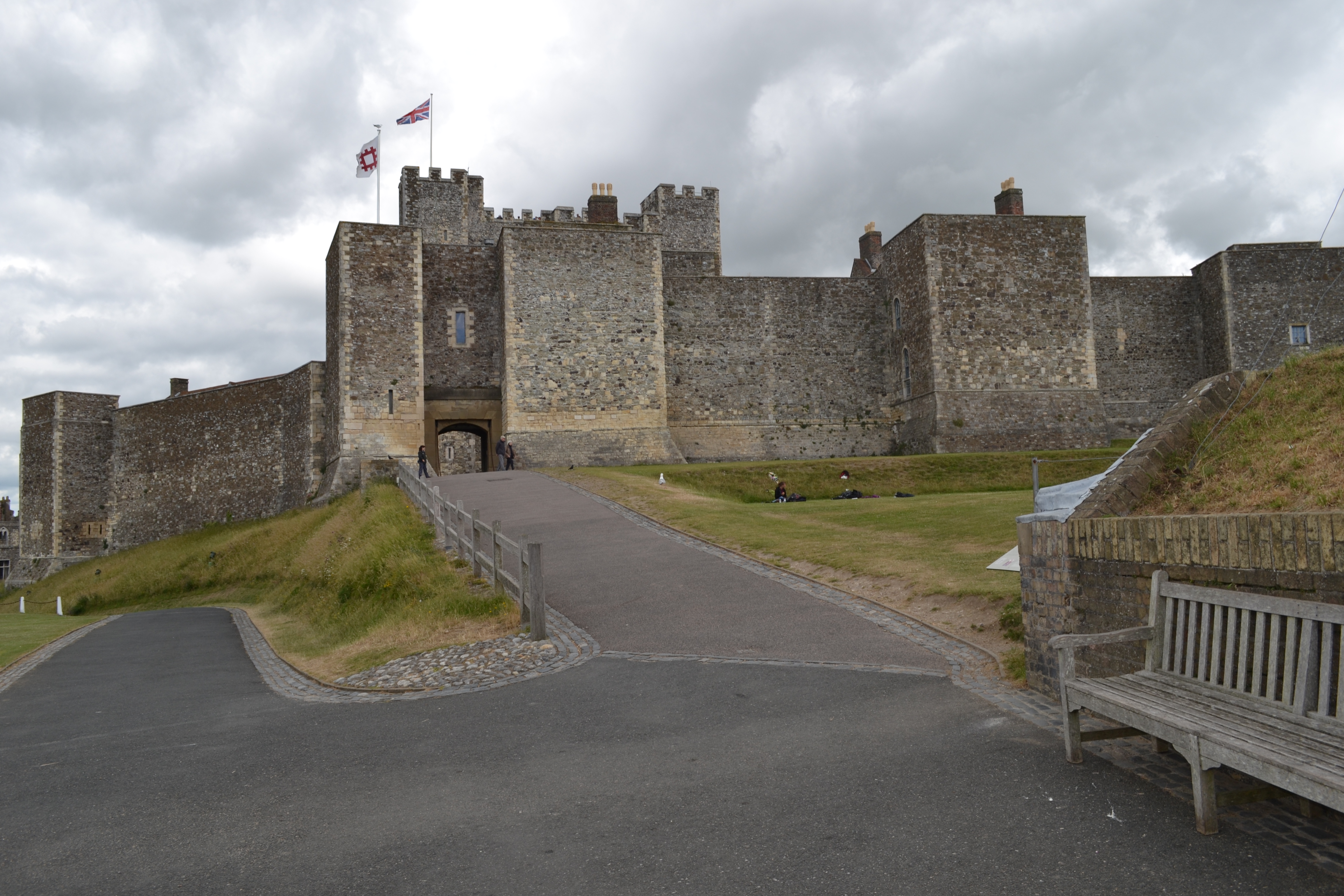
Dover’s main feature, besides the port, is its castle, built in the twelfth century and touted as the oldest castle in England. Unlike many castle attractions in the UK, Dover castle remains raw without much need for embellishment. There is a smallish interactive introduction to the castle and its inhabitants and an outline of its history. This is geared to educational visits, rather than catering to the tourist. Much of the castle is untouched by modern entertainment. There are two notable exceptions – the Great Tower and the tours of the tunnels. I chose to avoid the costumed guides or the hoopla of Henry II. I did visit the Secret War Tunnels where visitors can follow the planning and execution of Operation Dynamo, the Dunkirk rescue mission in WWII, when allied soldiers were saved by a multitude of British boats and ships. The tunnels are claustrophobic, as well as confusing, making it nearly impossible to allow visitors to wander alone underground. What I liked about the tour was the way the tour guide moved us along from room to room and tunnel to tunnel with stops to watch video footage projected on the walls. We gained a sense of the activity in the tunnels during WWII as we wandered past the names of soldiers and sailors scraped into the tunnel walls. There were informational placards at the displays, without the amusement park atmosphere found in so many castles and estates.

DSC_0645

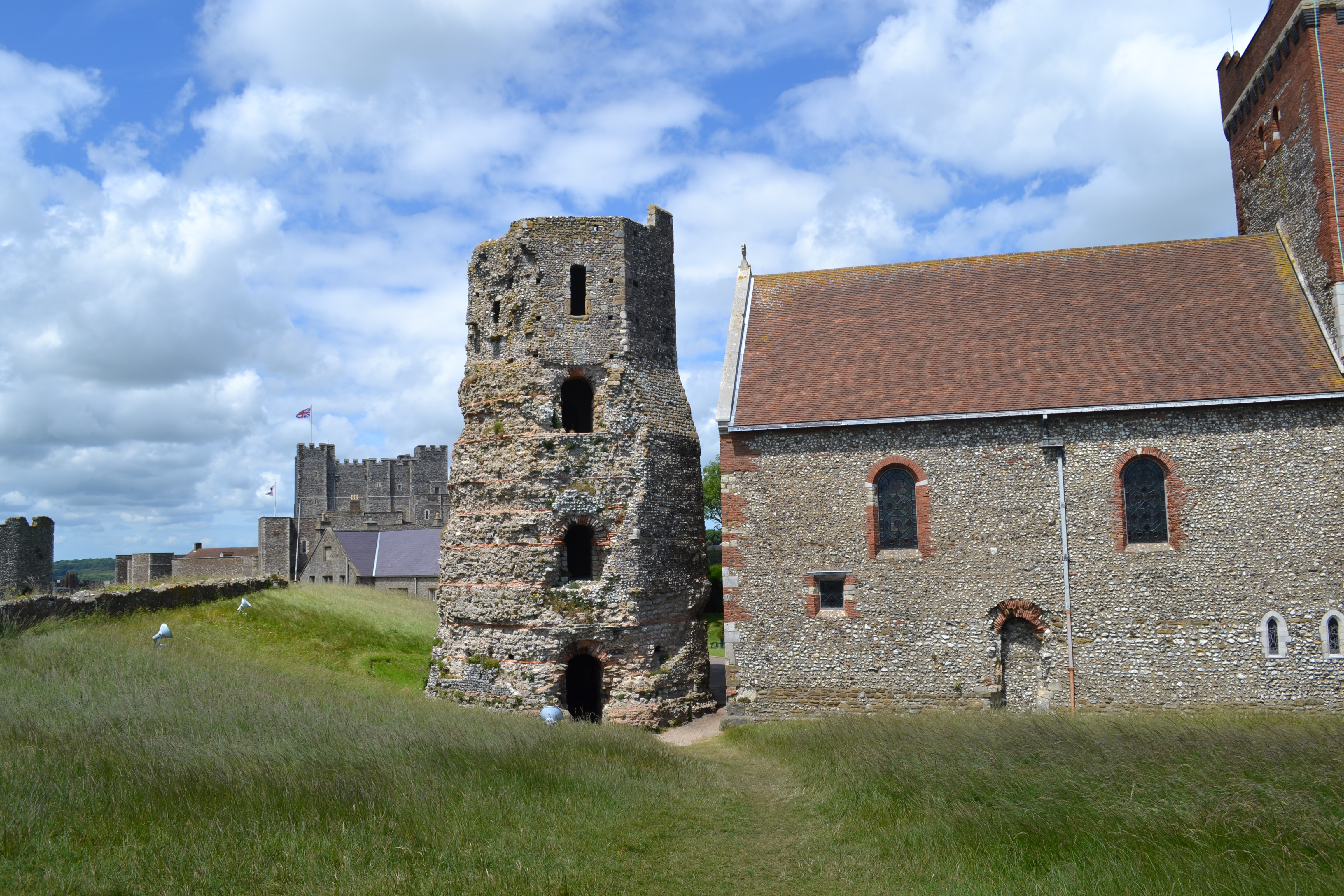
After the tour I wandered around the castle grounds (75 acres total), stopping at the Admiralty Lookout, where France is visible on a clear day and then walking up to the keep and on to the Chapel of St. Mary-in-Castro, a Saxon church still in use as a military chapel. Next to the chapel sits the Roman Pharos, a lighthouse built in AD 46. It was here I had my own “ghostly” encounter. Full disclosure here: I don’t think I actually believe in ghosts, but at the same time, I want to be proved wrong. Dover Castle also has the distinction of being named the most haunted place in England. This honor, however, seems to be bestowed on several places in England, depending on their tourist numbers.

DSC_0667Some of the more known ghosts consist of a man in a long cape and broad hat with flowing hair or a man’s legs without a torso or a man without his legs. Recently, a long-established drummer boy found his way to the other side with the help of a paranormal expert and his drum is now silent. There are many accounts of an officer being sighted in the tunnels, but there is a possibility that he is a hologram projected as part of the tour experience. There is only one encounter at the lighthouse that I can find and the person asks if anyone else has experienced anything there – no details. So here’s my story.

DSC_0668

I visited Dover Castle at the end of June. It was a weekday, but the place was eerily empty of visitors. I ran into a few at the top of the tower and in the gift shops and waiting for the tunnel tours. When I visited the church and lighthouse, I was the only person there for at least half an hour. My habit is to find a church far from the notice of the guidebooks or only mentioned in the guidebooks as a historical sideline. A chapel in a castle is usually quiet and empty. That was the case with the Chapel of St. Mary-in-Castro. I sat inside for fifteen minutes, using the silence as a chance to meditate, contemplate, and to snoop around in the military chapel. The kneelers and the seat cushions were decorated with military insignias or memorials to fallen soldiers. I have no knowledge of medieval architecture, so I couldn’t tell what additions were made since its Saxon beginnings. It was a small chapel with a heavy, wood and metal door, and it was quiet. My thoughts focused on more personal and modern problems. I felt no ghostly fingertips (imagined or real). The temperature of the chapel did not turn icy. In fact, I reveled in the peaceful, relaxed mood I felt after my rest in the chapel. The door seemed heavier than before to open, but that was the only anomaly I noticed. I walked out of the chapel toward the lighthouse. That’s when I heard the laughter.

It was not the frenzied laughter of school children. It wasn’t the sinister playacting of a prankster. This laughter permeated terror. The overused cliché of unearthly is the only way I can describe it. Her laugh echoed from the pharos. I heard a woman laughing in fear and madness. By that time, I was familiar with the wild screeching of sea gulls and other sea birds. This was nothing like that. I looked around the tower for many minutes. I looked over the walls by the church. I looked down the slopes in each direction. I waited. Nobody else appeared.

Did I encounter a ghost? I rather doubt it, because there must be a reasonable explanation. The reason I can’t dismiss it with complete certainty is that I was not expecting or even desiring to find a ghost. I was at peace with myself and my surroundings. My mind was on the present. I do know that I never want to hear that horrible laughter ever again.

Arthur’s Seat

DSC_0982

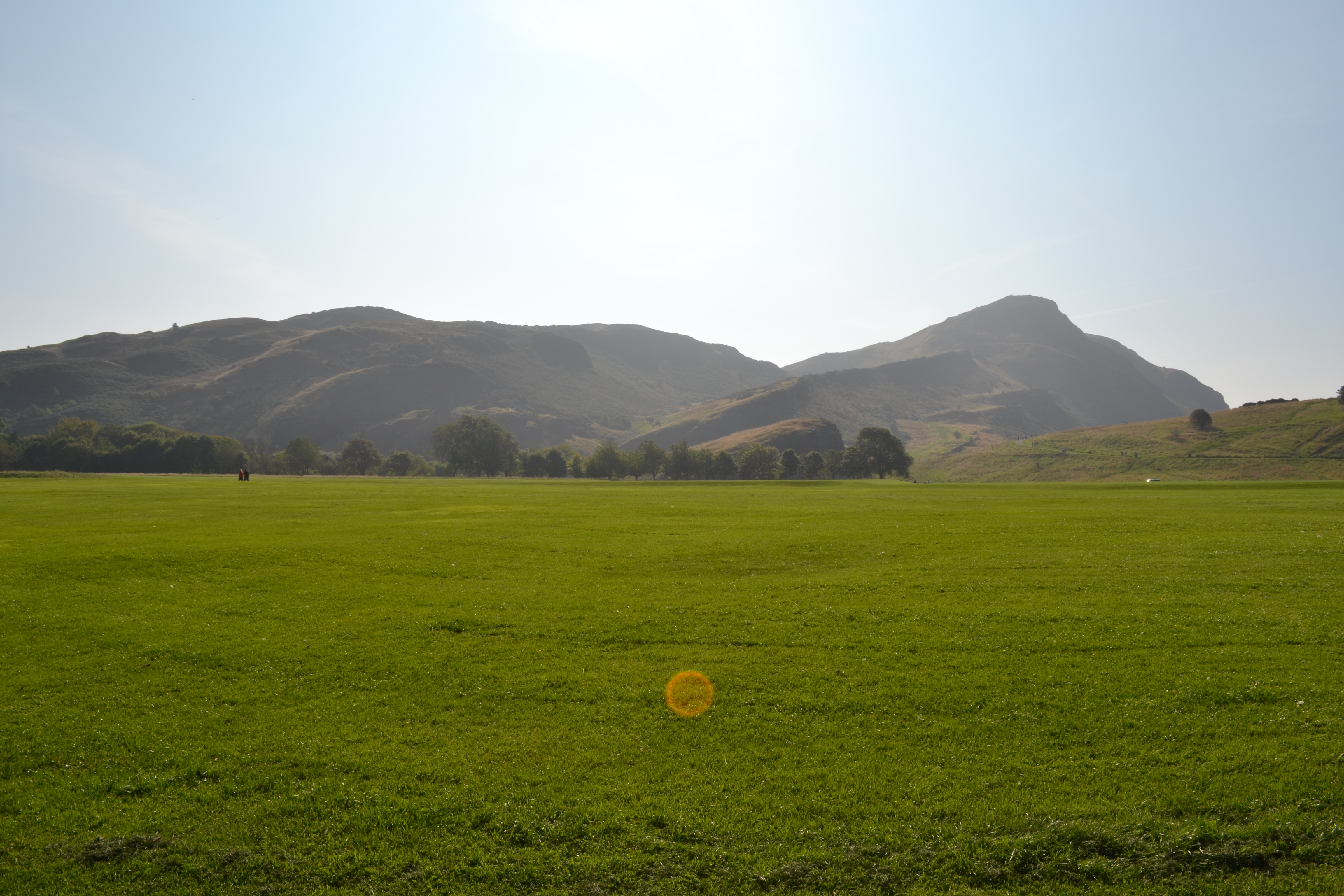
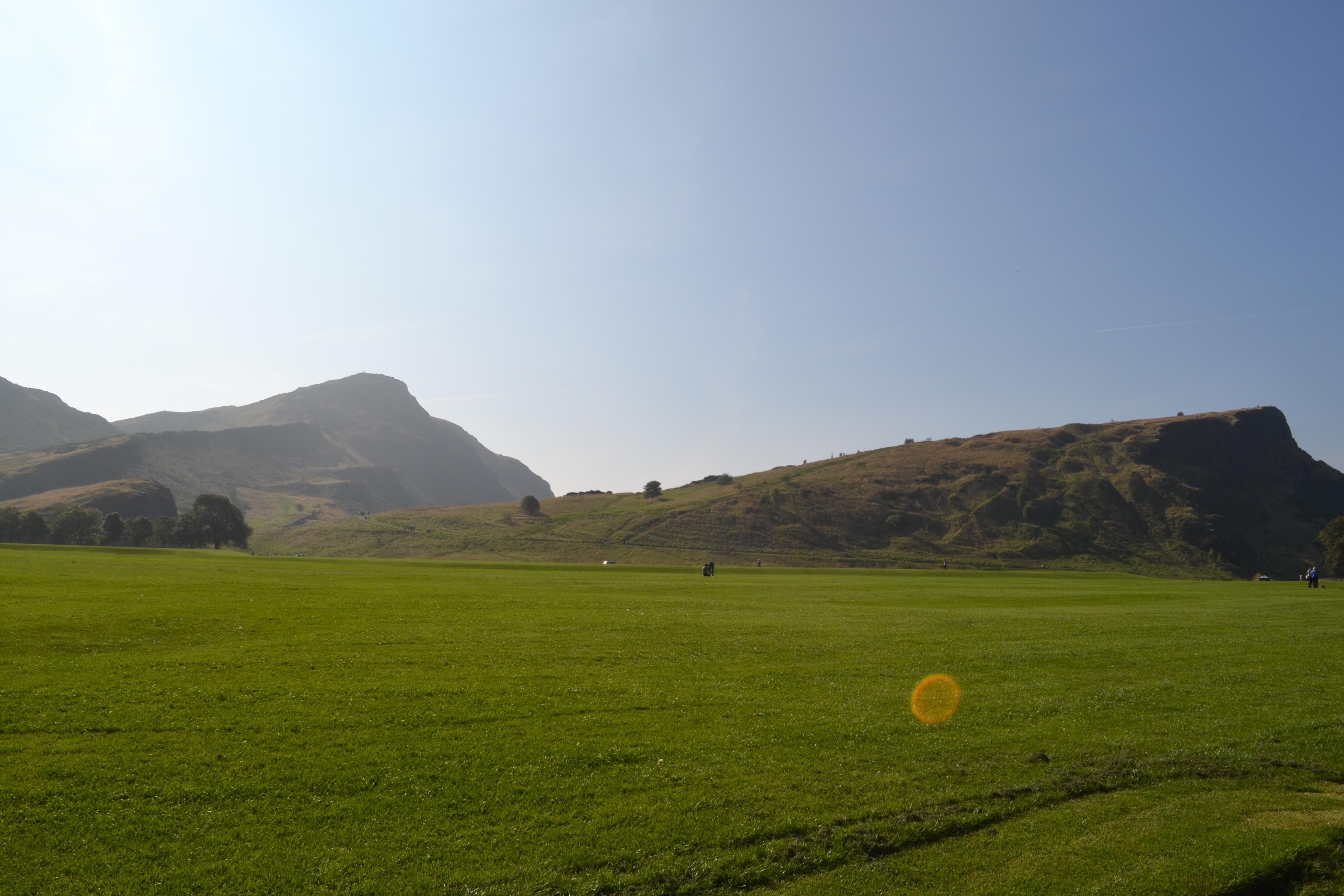
The fog around Arthur’s seat wasn’t thick and it didn’t obscure any part of the hill by resting on the top or reclining around the bottom by the lochs. It was more like a gossamer cloth revealing just enough of the shape of the hill and its various hues to invoke one’s imagination. Nature’s fan dance created interest as the fog moved around the park, revealing glimpses of images before hiding them again. The parking lot near Holyrood Park was quite empty. It seemed like a good time to explore more of the area without having to share it with the, you know, tourists. DSC_0979

IMG_1279I managed the actual climbing part of the park on the one morning, two days ago, when the clouds parted for us patient photographers with sub-standard climbing shoes. DSC_1003Now it was time to wander around a bit, stopping by St. Margaret’s loch to see the swans and then walking along Queen’s Drive with an occasional detour up a trail. Nothing too strenuous or too far from the madding crowd. So what was the difficulty? The problem was that I was stricken with a slight cold and had used those two days to catch up on my reading. Along with Arthur Conan Doyle, I read the local history of Arthur’s Seat. Bad idea.

Let me fill you in on some of the more colorful history. I’m not sure why, but fog seems to go hand-in-hand with the Victorian novel. Not that all of this history revolved around the Victorian era. It just fit the template for my highly-evolved imagination. What is it that people say? There’s nothing there in the dark that isn’t there in the daylight? Well that isn’t quite true, is it?

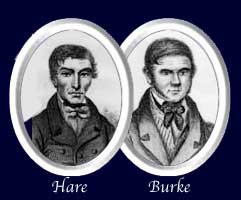
Anyone studying British modern history has heard of Burke and Hare, two men who traded in their canal building skills to provide bodies to Dr. John Knox for his Edinburgh anatomy lectures. Hare_and_Burke_drawingThere were religious and legal restrictions on autopsies, making bodies scarce for anatomy classes. Knox needed more and didn’t ask too many questions about how Burke and Hare happened upon so many available cadavers. From 1827-1828, Burke and Hare managed to “find” bodies by smothering their victims and then selling the bodies to the school. Hare turned King’s Evidence against Burke, who was convicted and hanged in 1829. I can’t say that any of these bodies were “found” around Arthur’s Seat, but a couple of boys in 1836 discovered seventeen miniature coffins in a cave along Arthur’s Seat. The number, which corresponds to Burke and Hare’s victims, was initially attributed to witchcraft, but now there’s some speculation that it was a memorial to the victims of Burke and Hare. Some of those coffins are displayed in the National Museum of Scotland.

Then there’s the story of the doctor who married and within a few weeks decided he had made a mistake. He attempted to pay others to help him get rid of the wife. The doctor’s first scheme involved paying someone to provide enough evidence against his wife that met the requirements of divorce. When this failed he hired his brother to poison his wife. The brother failed as well, so the doctor took his wife for a walk to Duddingston (a village accessed from the park). When alone, he happened to find a knife he had borrowed and stabbed her to death. The cairn marking the spot of her death was moved, so I’m not sure where along the way it happened. I can tell you that my thoughts were on that woman and her murder as I walked along the road to Duddingston.

And I don’t need to say much about a menacing hound and the fog. Dogs are rarely kept on a leash in Holyrood Park, so it is always likely one might encounter a hound. There’s Murder Acre and Hangman’s Craig and possibly some unexpected and not quite explained deaths from “accidental” falls. Might I happen upon a ghostly pair dueling in the mist? It is good that I hadn’t read much more. My heart was beyond its aerobic threshold. Ghostly fingers tickled my spine. And then I saw them as the fog lifted. Tour buses filled with Germans and Americans rolled by and stopped so their occupants could jump out for a quick picture of Edinburgh from above.DSC_1010


I resisted the urge to look back. Who knows what I might have seen following me as the fog dissipated.

veryfatoldman.blogspot.com

veryfatoldman.blogspot.com

What’s up with all the horses?

IMG_1257Horses and I share an on and off relationship. I get on and they toss me off. It began when I was twelve and a Shetland Pony, called Bluey, didn’t like it when my friend hit him with a thorn twig to encourage him to move forward. He moved all right — once he was rid of me. I fell like two inches or maybe even a little more and landed on my right arm. When I stood up, my arm was swinging in the space between my elbow and shoulder. That’s when I knew there was no love lost between me and horses of any kind.

After a mad rush from the town emergency room to Pocatello for a larger hospital and a specialist and after two weeks in traction, then who knows how long in a cast, and finally a physical therapy routine that generally required that I walk the hospital corridors with a bucket of rocks, I tried to get on a horse again. This was a bigger horse, so when it projected me over its head, I had more time to think about how to land. I ended up with a bruised tailbone, but no breaks. And thus began the dreaded phrase I would hear through the years, “But he/she is normally so gentle!”

The guides at Glacier Park put me on the slowest, dullest nag. This was a horse that was more docile than the ones they placed my children on. This horse was so ingrained in the tourist caravan that it might have been made of plastic and swaying in gentle motion as if it were on a merry-go-round. It decided to stop and eat. “You must be firm with your horse,” the guide instructed. “Pull her head up so she knows she cannot eat”. I yanked her head up. She turned her head with an “are you kidding me” kind of look and proceeded to rub me off on a tree. That’s pretty much how the rest of the ride went.IMG_1259

So when I realized the annual Riding of the Marches involved 270+ horses, not bicycles, I wondered why I was sitting on a concrete wall near the Scottish Parliament waiting to greet the procession. What can I say? I’m a sucker for pageantry. And I had my escape route planned – just a dive into the pool behind me and I could hug the wall and avoid any errant hooves. Scottish horses appear to have better manners than their American cousins. But, then again, I was holding to our agreement. I don’t get on and they don’t buck me off.

According to the website EdinburghGuide.com, the first record of The Riding of the Marches was in 1579, with riders covering the common land of the city. It continued until 1718. The website, calendarcustoms.com, explains the ride was also a commemoration to the Flodden Wall, built after the defeat of King James IV in 1513 at the Battle of Flodden where 10,000 Scotsmen died, including the king. In 2009, the Edinburgh March Riding Association (EMRA) reinstated the event as a charity re-enactment of the ride. This year’s ride supports the veterans organization Poppyscotland and commemorates the outbreak of World War I, when, according to edinburghspotlight.com, 6000 horsemen and 35,000 horses died in the conflict. Over 300 riders and horses were scheduled to participate this year.IMG_1272

A number of riders did not make it to the Royal Mile finish and I’m guessing under 200 passed by the Parliament, yet it was still quite moving to see the different riding clubs joining together with poppies attached to the horses and on the rider’s lapels. People cheered and clapped as the riders passed by, not unlike the entrance of the Tour de France into Paris, even though it was more subdued. Hikers climbing to Arthur’s Seat stopped along the trail to watch as the horses entered Holyrood Park. I sat next to a Scottish family and the young kilt-clad girls beside me said they were more excited to see the horses than they were to see Mickey Mouse. They told me about their own riding event coming up. They will parade and perform in costumes, the oldest dressing up as “the mean cat”.

I forgot, as promised in my last post, to look for Queen Elizabeths today. I certainly forgot to look for yellow butterflies. But, of course, I didn’t expect to see around 200 horses clip-clopping along the Royal Mile.


Looking for Pink Shirts on Fleet Street

The old adage, or at least a take-off, is “you see what you want to see”. This can also apply to our life experience. So if we expect certain outcomes, we will attract those outcomes. For instance, if I want a better job, I might decide that it is impossible and look at all the reasons I cannot have that job. I won’t get a better job, because I see myself failing. One suggestion for overcoming that mindset is to look for unusual things in our daily lives. Pam Grout in her popular book, E2, suggests that we look for yellow butterflies, even in the dead of winter. Somehow, somewhere those yellow butterflies will appear fluttering past the window or maybe stamped on the side of a paper cup. The trick is to count them. By counting the appearances of yellow butterflies in a certain time period, it proves that if you look for yellow butterflies, you will find them. And this principle can be applied to daily living. I was a little skeptical about how yellow butterflies can make a significant impact on one’s life. That is until I walked along Fleet Street after visiting St. Paul’s Cathedral.

Men’s summer business attire in London’s financial district appears to be a light blue, long-sleeved shirt worn with black pants. Tie and jacket are optional. Groups of blue-shirted men escaped their buildings at the lunch hour forming a river of blue along the pavement on Fleet Street. Some of the men jazzed it up a bit with a pin-stripe or even a checkered pattern, while adhering to the blue color scheme. In awe of the obvious conformity to what is deemed proper business attire, I decided to give the yellow butterfly experiment a try. I would count the men I saw in pink shirts on Fleet Street from St. Paul’s to where Fleet turns into Strand – just a few blocks. The rules were simple. Obvious tourists did not count. It had to be men that looked like they were part of the financial scene and they must be wearing suit trousers, not jeans. Up to this point, I had not seen anything close to a pink oxford shirt.pink-shirt-mensfashiondeals-com2-226x300

It was the strangest thing. I began to see pink shirts everywhere. I counted ten men that fit my criteria in a couple of blocks. As I continued onto Strand, pink shirts outnumbered the blue shirts. Maybe there’s something to this. It is hard for most modern women to walk down a busy street without making some comparisons, so I thought about looking at other women in a different way. Instead of noticing all the pulled-together, high-heeled, long-legged women, I looked for women in dresses who wore trainers. And it worked again. Women in lovely dresses or mini-skirted teens or well-dressed eighty-year-old women were wearing socks and athletic shoes. It seems we can alter our vision of the world in very simple ways. Maybe that applies to our relationships as well. If we expect certain behaviors from our children or spouses, we often are proved right. If we meet strangers and form an immediate opinion of them, do we reinforce our own stereotypical prejudices?

The woman sitting next to me on the train, who was on her cell phone for the first hour into the trip, was not a rude, don’t-care person. She turned out to be making an unexpected trip to see her sister who was going through a bad time, but she had to leave her ailing mother and new grandson to go cheer up her sister. The taxi driver that ignored me for the first five minutes? He had an intercom in his taxi that didn’t work very well. We ended up having a nice chat about Las Vegas and Scotland.

I must add a word of caution here. Sometimes people are exactly as they seem. I found myself in real trouble in Paris and in Norwich when I ignored my intuition. Luckily, I was able to extricate myself from both situations without more than a roughing up. These were isolated situations and far from the normal experiences I have had, but there are times it is better to keep those first impressions, even if you are wrong. Now, I will always put up defenses when I see groups of young men. It is unfortunate, but necessary.

il_570xN.334096525What about yellow butterflies when you want to attract financial success or maybe just that guy down the street? The Law of Attraction will work for us when we focus on the outcome, right? Just thinking of our desire will manifest its appearance? Wrong. I want to believe that deep, constant, focused thinking can bring things or people into my life. This is where we misuse the Law of Attraction. I saw pink shirts on the street because men were wearing them. I did not pull pink shirts out of the air and dress those men. I paid attention to my surroundings. The key to success in our life, however we define success, is more than thinking about it. We must see the opportunities around us that will help us attain that success. It is important to think about what we want in life, but the key is to focus on that desire and to look for the yellow butterflies. The Law of Attraction is not a passive activity. We need to see the outcome, but we also have to participate in attracting our desires. It might be a good idea to introduce yourself to the guy down the street or to apply for that high-paying job. Sometimes things appear to fall into our laps. And, yes, there are times you get something with no effort. The most likely scenario for a positive outcome when applying the Law of Attraction, though, is that focusing on your desire makes you more likely to act on opportunities to bring that desire into your life. Rhonda Byrne found the Secret, but it required work to produce the movie and write her book.

I’m far from reaching my life’s goals. There are some very personal and improbable things I want to attract into my life. Getting back to Oxford was once a dream. Did it happen because I thought about it hard enough? Yes, sort of. I thought about it, but then I looked at the ways I could make it happen. There were obstacles, yet I recognized the opportunities I had to overcome those obstacles. Taking this trip was the realization of a dream. But this journey was relatively easy to make happen. Some of my other dreams are not as tangible and look to be far from my reach. I hope I can learn to see the pink shirts and the yellow butterflies when I go after those dreams.

I’m in Edinburgh now. I’ve noticed kilts and bagpipes and overflowing tour buses. There are souvenir shops surrounded by whiskey bars and cashmere stores. My flat is just behind the Palace of Holyroodhouse and the flat’s garden border is Holyrood Park and Arthur’s Seat. Perhaps tomorrow I should change my perspective and count how many Queen Elizabeths I see walking along the Royal Mile…


On the Waterfront

The temperature is dropping a bit along the Esplanade as clouds darken and taunt the sun. The sun is beginning to take command, warming arms and legs exposed to the cool wind. I’m sitting on a bench in Weymouth with a couple who are eating apples as they watch the sailboats in the bay. I’m thinking how great it is to be back in Weymouth where everything seems bright with joys from past summer days.

I hear the altercation before I look up. “I’m eighty years old!” There’s a kid with a bicycle. Most would describe him as a punk. His bicycle is wobbling a bit and it looks like he’s teetering as though being knocked over. A man turns to him. “Look I’m eighty years old.” The kid drops his bike, runs after the man and punches him in the face. Outrage among the bystanders as cell phones are pulled out of pockets, not to call the police, but to record the incident. The old man is yelling, “Call the police!” He follows the kid back to the bike and returns the wallop. The kid turns to us. “Did you see that? He hit me!” I expect the older couple on my bench to take the side of the octogenarian. “Just get on your bike,” the woman tells the kid. “Get on your bike and leave before the police arrive.” And once again I’m surprised.

I asked if they witnessed what happened to bring on the fist fight. They hadn’t. Most of the younger people around us fumed at the effrontery of someone hitting an old man. Yet this couple ignored those sensibilities and noticed that both the old man and the young punk escalated what was probably a minor brush-up to a physical fight. Just another day at the beach.

DSC_0921

Great Yarmouth

DSC_0929 (2)

Great Yarmouth

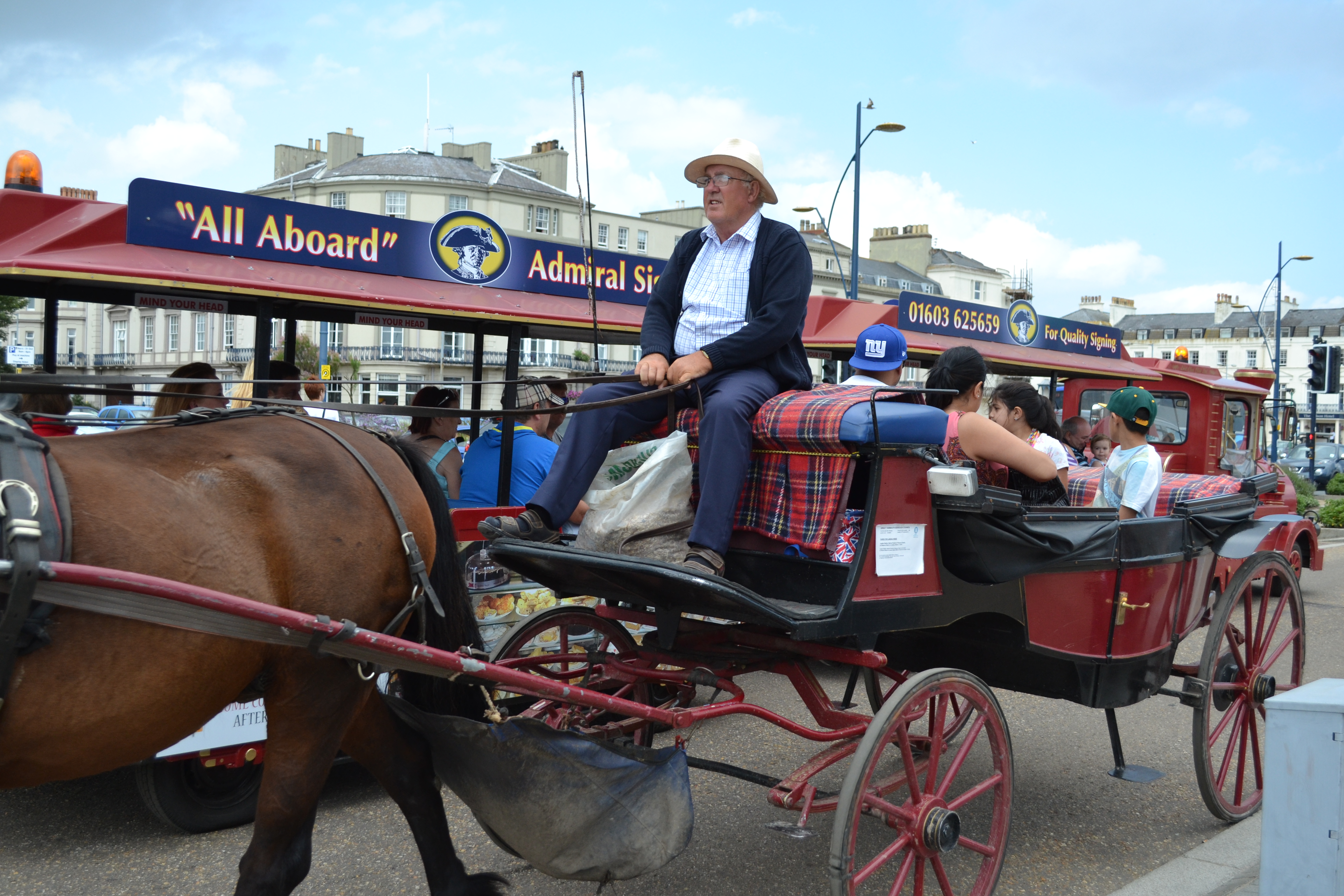
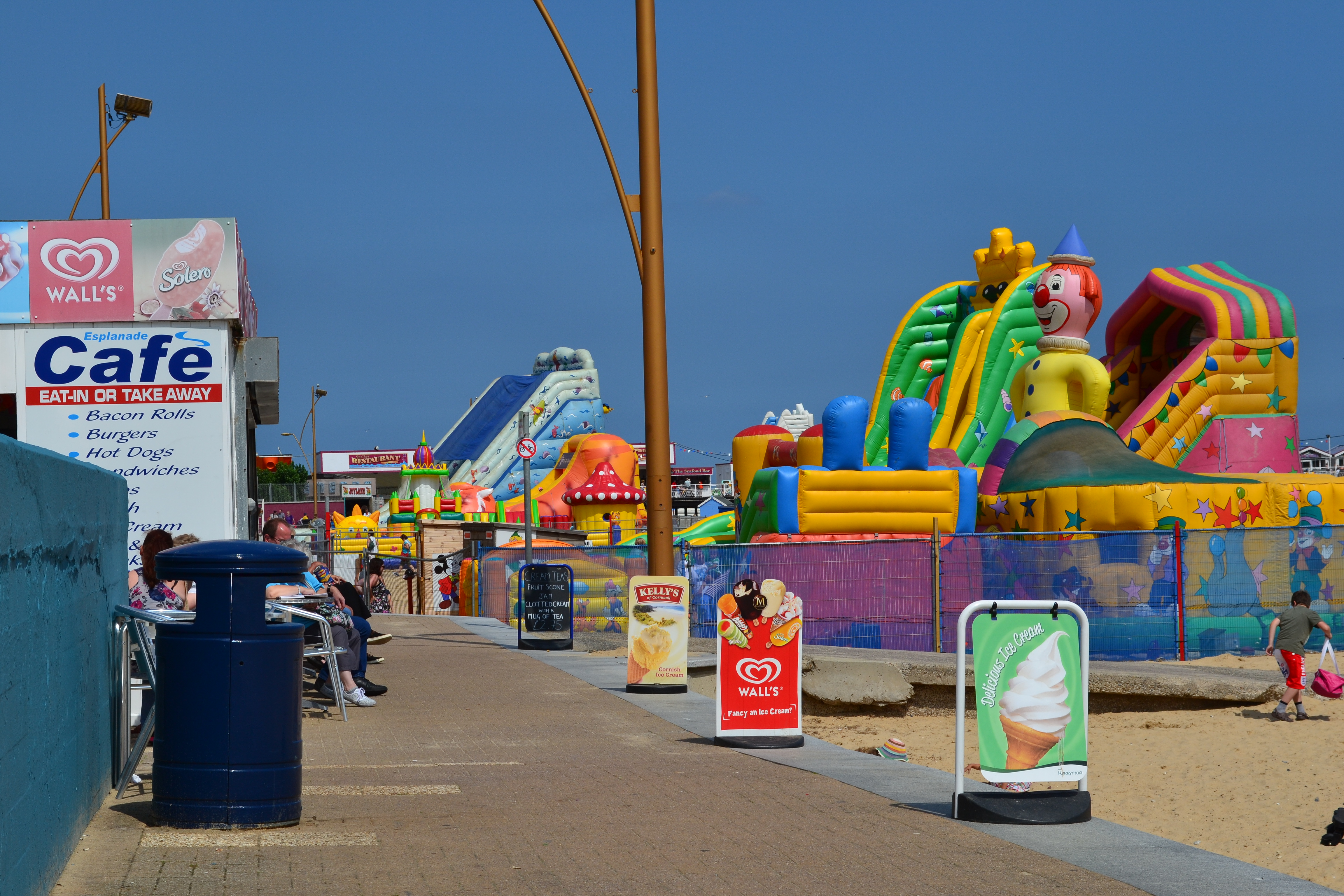
I’ve seen quite a few waterfronts on this trip. My first seaside stay was here in Weymouth in early June, just as the summer crowds began to arrive. Recalling the barren beaches of Oregon and Northern California, I was amazed at the carnival atmosphere of this place. I discovered that Weymouth has nothing on Great Yarmouth, a beachfront on the North Sea where the sand was empty of bathers and the esplanade exploded with so much pizazz and glitter that I lasted two hours, before finding the bus back to Norwich. People movers, from miniature trains and horse-drawn carriages to a fairytale Cinderella coach, dodged the multitudes looking for a fun ride or a quick win. For some reason, the Great Yarmouth steakhouse restaurants were filled with the seventy-plus crowd. Johnny Cash serenaded us with complements from the country western shop.

DSC_0899

Great Yarmouth

DSC_0914

Great Yarmouth


DSC_0561

The Cobb – Lyme Regis

Lyme Regis represents the rugged, wind and sea-swept Jurassic coast of southern England. There is a bit of sand in a protected area where locked-up beach shacks wait for their owners to return. The dangers of the sea are displayed as waves overtake the top of the Cobb. Mary Anning deserved recognition, not only for the  ichthyosaur, but for fortitude in hunting fossils along this inclement coast. And, If we think about it, film depictions of this beach always include wind-swept heroines on the Cobb. I walked out on the Cobb on a windy day with the waves lapping over the uneven stone. I wore sturdy shoes and watched my step, yet the wind knocked me about like a bad impression of Buster Keaton. Here is my question: Is that Meryl Streep on the Cobb in the French Lieutenant’s Woman, defying the odds of slipping and falling to the rocks below? According to some sources, like the book Dorset in Film, it was the film’s art director, Terry Pritchard.DSC_0556

DSC_0654

Dover

DSC_0676

Dover

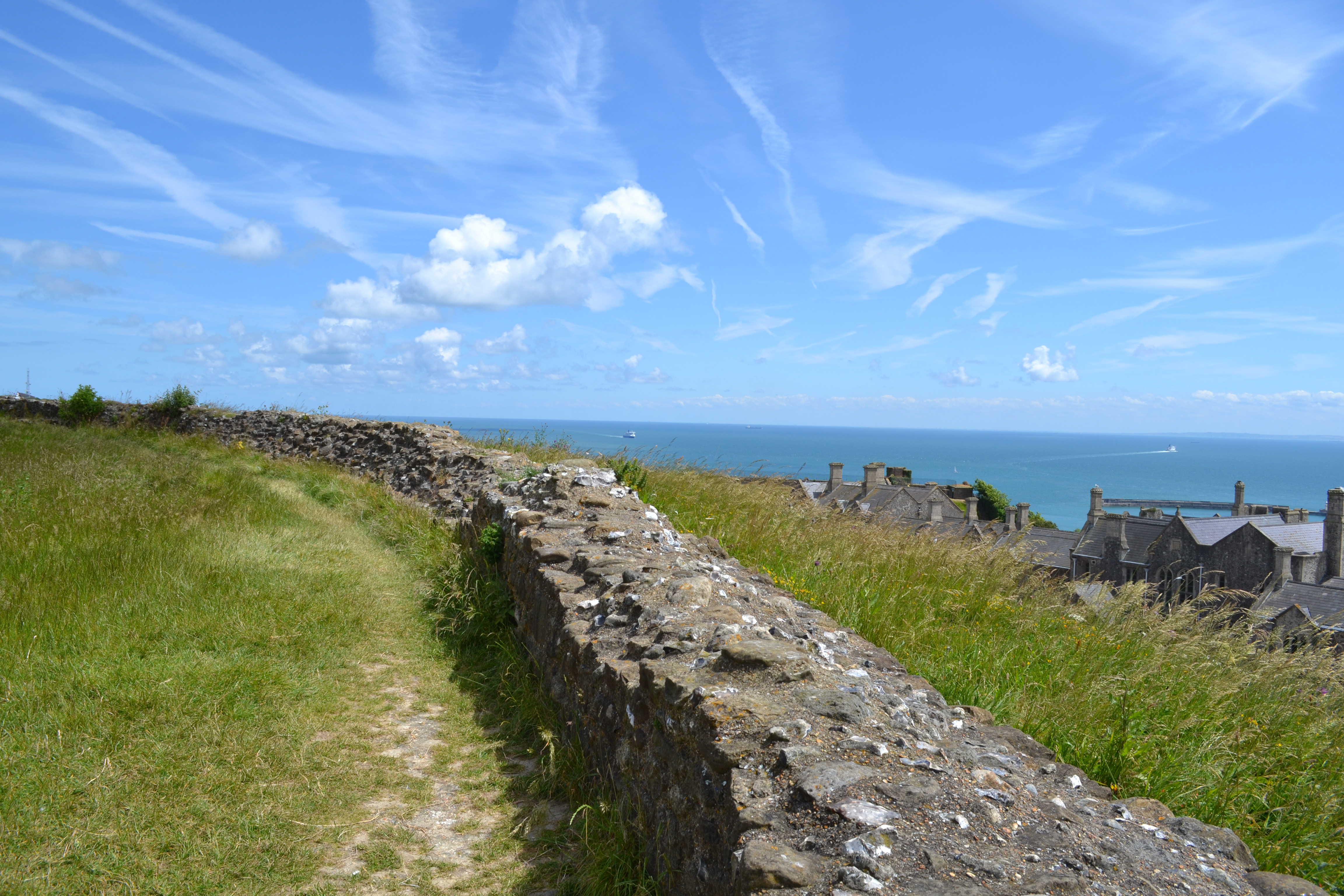
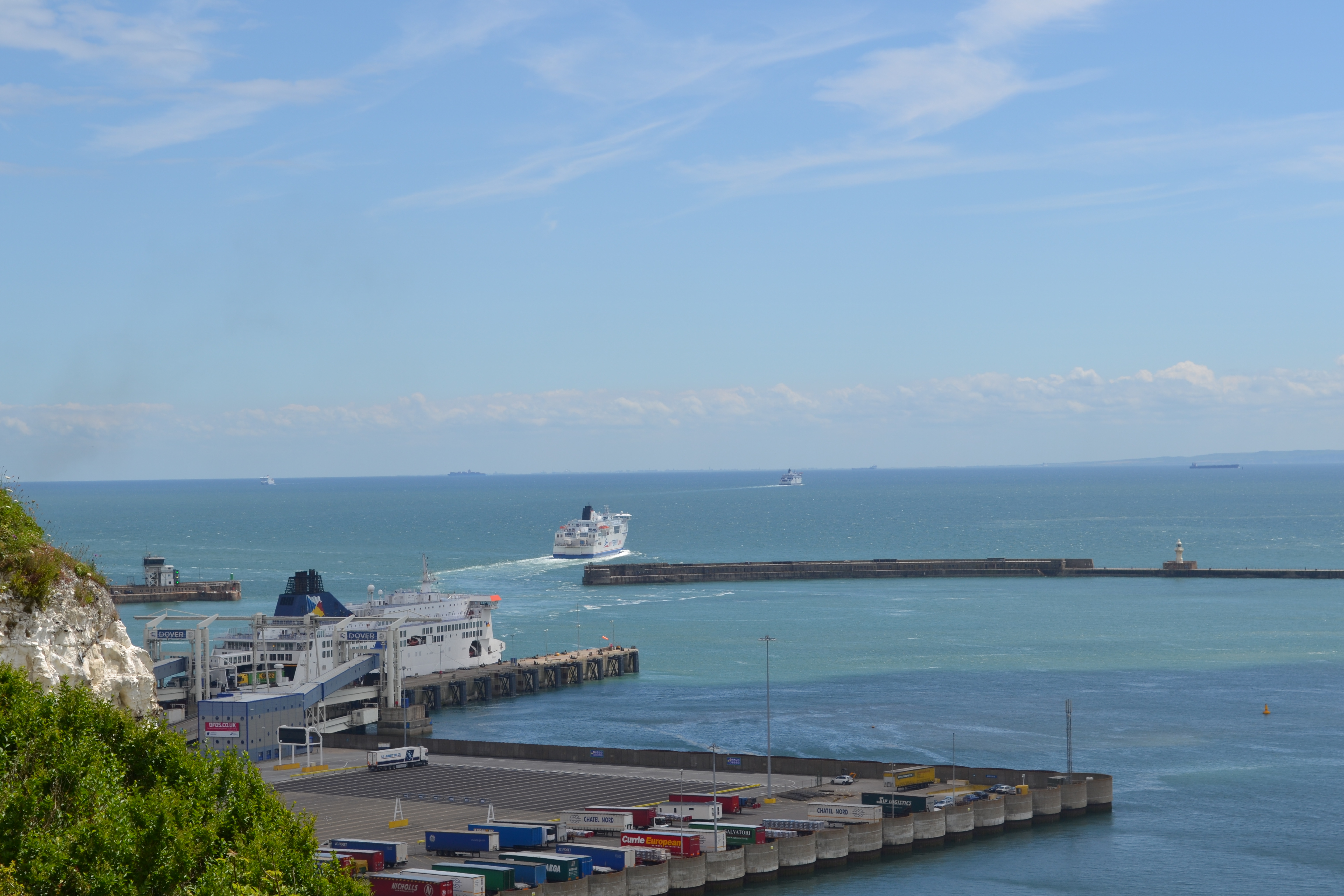
Dover, despite the grand hotels and apartments lining the beachfront was bereft of sunbathers. The sea contained more ferries and cruise ships than smaller boats and even more large ships than the number of people settled on the plentiful park benches along the bay. Dover, from my vantage point, is a place you go to in order to get to somewhere else.


IMG_0855

Lake Geneva


Lake Geneva has its water spurt and the power boats and water skiers to watch, but not many swimmers from where I stood. I’m sure it changes as one moves farther away from the city center and the United Nations complex. It seemed more of a park and music venue kind of place where I stayed. It’s hard to give a lake a decent review when it rained the only night I was there.

DSC_0795

Sorrento, Italy

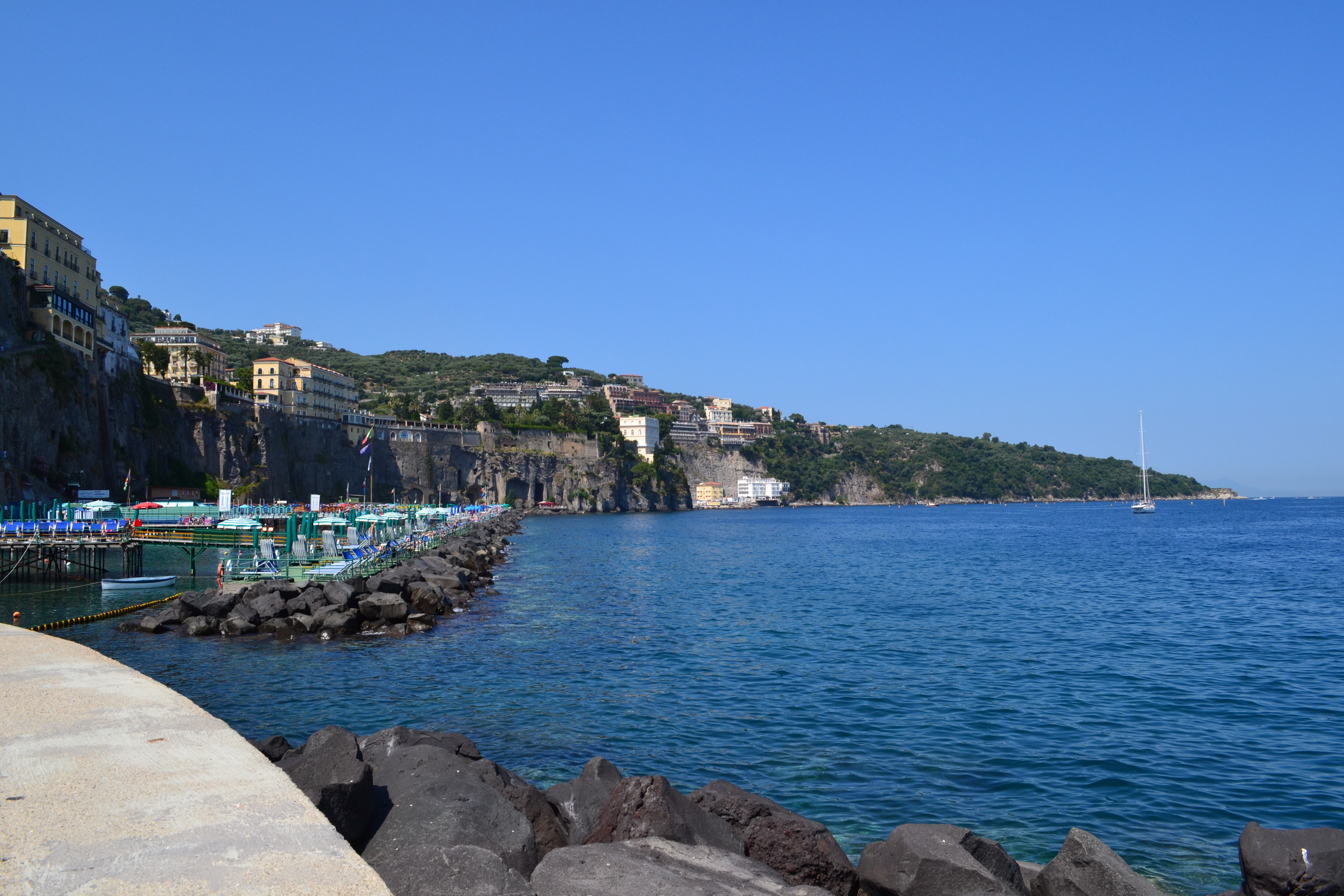
On to Italy. I promised myself that I would go to the beach in Sorrento, lie in the sun, and not worry about how I looked or how my swimsuit fared against others. I gave myself the pep talk. It turns out it wasn’t necessary. The public beach area in Sorrento was not full of women with model figures or toned and muscular men. Women, from fifteen to seventy and of all shapes and sizes, wore bikinis or, at the very least, two-piece swimsuits. Men paraded across the sand in too-small Speedos. Nobody cared if they jiggled or if they had to pull down or pull up their suits at crucial places. Everyone there was focused on two things – finding a place in the (and I’m being generous here) 20’ X 20’ space of sand and getting into the equally small swimming area. They had fun. I’m sure that there were plenty of people on all the private beaches who worried about looking good in a swimsuit. The group on my beach didn’t waste any of their holiday thinking about such trivial things.

IMG_1091

On Lake Como

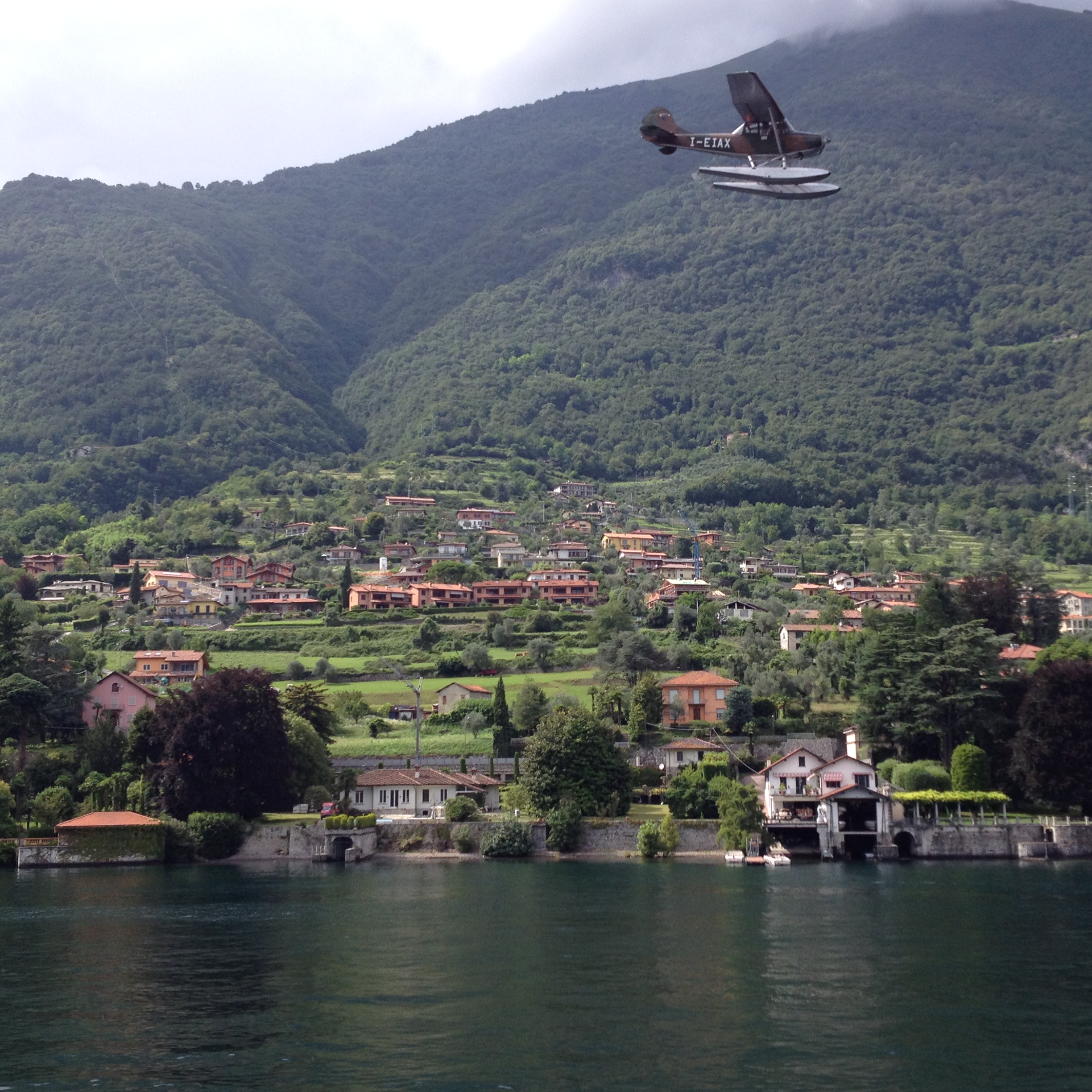
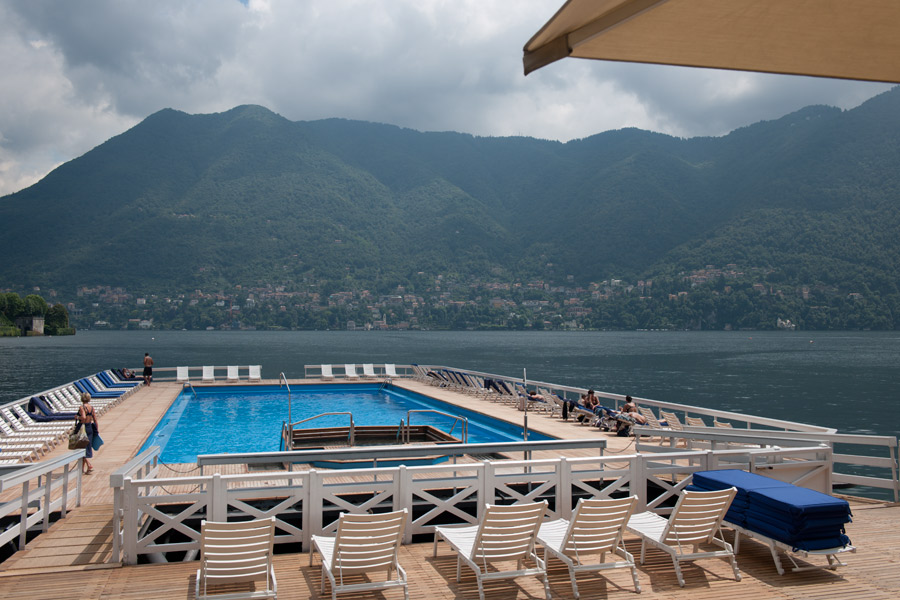
Lakeside in Como is a continuous boat dock. Nobody swims at the bottom tip of Lake Como. In fact, it is better to view it from a few feet away. Once out on the lake, the water seems fresher, but I can’t say I saw many people swimming from any points along our cruise around the lake. Some of the swankier hotels had pools, clear blue rectangles, resting in the lake. I guess it is to give one the illusion of swimming in the lake without actually having to jump into the murky water. Jet boats scurried across the lake from Bellagio to Como. Planes landed on the water to ferry people to their hotels or villas. What makes Lake Como so magnificent isn’t the water, but the landscape surrounding it.

IMG_1072


IMG_1066

On Lake Como

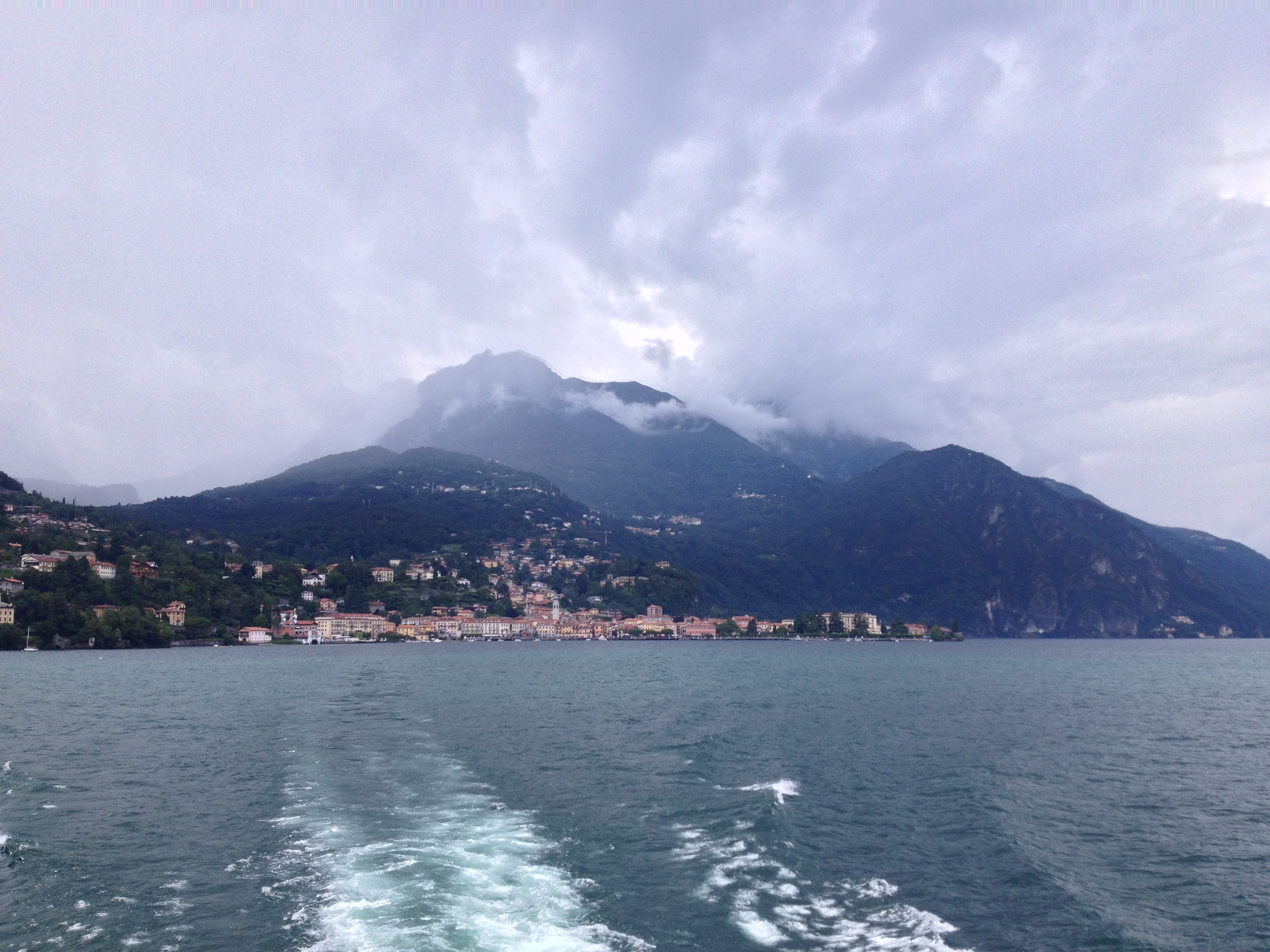
Resting in Northern Italy, Lake Como is really an alpine lake, not a Mediterranean paradise. The mountains and hills surrounding it are covered in forest. The slopes are steep with hill-top villas hanging onto the ledges. And along the coast small villages hug each cove and climb up the hillsides.


Now I’m back in Weymouth, with its typical English rocky beach on the English Channel. Today I followed two miles of the coastal path around the Weymouth beach with people scattered far from each other along the water. The best sand is actually in the dog-friendly part of the beach which, I think, is sifted daily. This place is brilliant when the evening sun shines on emerald-blue water. An hour ago it rained. The wind gusted a chill all day. Yet the bay was full of swimmers. Sailboats and freighters shared the water with fishing boats and kayaks. And like all seaside resorts, it is full of ice cream vendors and fish & chips takeaways. Plastic pails compete with beach hats on displays along the esplanade. Every summer day is a holiday in Weymouth.DSC_0485

And once in a while, just to shake things up a bit, someone punches an old guy.

In Paris for the Tour de France, but I went to the Louvre…

And, because of luck and the Norwegians, I saw Le Radeau de la Méduse AND the cyclists!

When I booked my stay for the weekend in Paris, the Tour de France did not enter my mind. It just happened to be the weekend I chose to break up my train travel from Lake Como to London. When I think about it, it is quite amazing I found a place to stay (and believe me when I say that hotel has a lot to answer for). It is also amazing that a city renowned for coffee and pastries will not open its doors to hungry visitors until eleven on Sundays. So my unfruitful search for caffeine and sugar led me to the Champs-Élysées.IMG_1119 Barricades and grandstands blocked any chances of getting to the Place de la Concorde, but it was coffee I needed, so I continued down Rue de Rivoli where people were camped out already in cafes and along the barricades.IMG_1106 One thing I learned that day is that you had better be on your preferred side of the road by noonish or you will be stuck for hours, as there is no immediate access across the street after that. I ended up on the Louvre side where I found a cafe and watched the convoys of police vehicles and buses make their way along the course. It didn’t seem like a good idea to photograph the French police, so I have no photos of this.

On the corner of Rue de Rivoli and Pont Royal and next to the rat-infested Jardin des Tuileries, the Norwegian spectators were setting up for their day. The drinking started early on, but they didn’t need much alcohol to find a reason to celebrate. Every time a police vehicle or city crew drove past the group, they cheered. They were a friendly bunch, giving me the information I needed about the expected arrival of the cyclists. It was at this point I had to make the crucial decision. Did I want to wait for hours to catch a 20-second glimpse of the peloton or give it a miss? It wasn’t an easy choice. My university studies were in modern French History. It made sense to experience the Tour de France in Paris, for goodness sake!

Practicalities prevailed. The fact remained that I was one person. There was no one to hold my place when I needed to find a WC or more water or even a bench to rest my legs. My new-found friends wouldn’t bother. I don’t have international data on my phone, making it hard to follow the progress of the bikers, although there were plenty of Americans in Paris that day with cell phones. I looked toward the Louvre. Thanks to the Tour de France, the line to get into the Louvre on a Sunday afternoon was almost non-existent. Also, the very visible police force discouraged any scammers, so the gauntlet of hucksters around the Louvre was much easier to handle. Decision made.

What a blissful three hours I spent in a climate-controlled building, a loo on every floor, snacks and water purchased from cheerful people, and when I avoided the main must-see items, no crowds in the galleries. Most of the people in the museum, it seemed, were trying to take a selfie with Mona Lisa.IMG_1121

About three o’clock I checked on the progress of the bikers and the crowd. My spot next to the Norwegians was open. They didn’t remember me, of course, and I think they wondered about this strange woman hanging out with them. But hey, I didn’t see any sign that proclaimed that spot as part of Norway. So I waited and waited and waited. As incredible as it was, the gang still cheered with the same exuberance as they had earlier on. Norwegians have great stamina. At this point, they practiced their Kristoff cheer – many times and at eardrum-breaking levels. The decibels increased when the sponsor vehicles started to arrive. Some were decked out with cartoon figures or made into replicas of their products. Most of them contained at least one smiling, young beauty, her hands waving in enthusiastic rhythm to the music. Then the team support vehicles rolled through, some stopping to egg on the Norwegians and record the chaos on the corner. By this time I realized the jostling and drinking was getting a bit ugly and the crowd behind me was pushing and shoving. Another decision. I gave up my place and stood behind the crowd at the barricade.

After the initial surge of vehicles, nothing much happened. About every fifteen minutes or so, a few support or sponsor cars would come by, but I realized they were the same people making the loop the cyclists made later. My attention span waned. I wished for the bikes to appear, not because I wanted to see them, but because it meant I could cross the street and get back to my hotel. The gardens were now ransacked, litter and cigarette butts covered the pathways and beer and water bottles filled every little corner of the concrete structures. The pristine beginning on the Champs-Élysées was now an environmental hazard. I sat on the steps leading to the garden and watched cigarette ashes fall from above and land on my head. The woman next to me didn’t protest when a young boy took her Coca-Cola and said “I’m going to drink this.” She looked at me and asked if I’d seen that. I nodded and she just shrugged. It turns out she was Norwegian. I left her to go buy an over-priced baguette sandwich. At this point, the chances of me seeing anything or recording it were pretty low. My phone had overheated and consequently had begun discharging the battery. I shut it off with about 12% power. I’d given up my spot near the course. Everybody around me was six feet tall or standing on a beer keg. But the main thing was that I didn’t care anymore.

And that, I think, is the reason why everything worked out. When I returned with my sandwich, it was clear there were many others like me who were tired and just wanted to get out of there. I sat on the garden side of the wrought-iron fence and realized I had the perfect place. I could stand on the ledge and point my camera through the bars. The difficulty was keeping my phone charged, but ready to catch a picture. It all worked out.

All of Paris cheered when the riders appeared. I screamed with the crowd. I clapped and whooped it up as the cyclists made each loop along the Champs. Their first appearance brought on 20 seconds of unified respect. Bikes and colors and helmets whizzed by so quickly that the images blurred. When all was quiet again, I looked at the animated family beside me (Norwegian, of course) and we said in unison “And just like that, it’s over.” I’m so glad I didn’t miss it.

IMG_1136

This year I spent the day with the riffraff out on the streets. Next time? I’ll pay for that hotel room with a balcony above Rue de Rivoli.IMG_1141 (2)

Wild Ride on Mt. Vesuvius

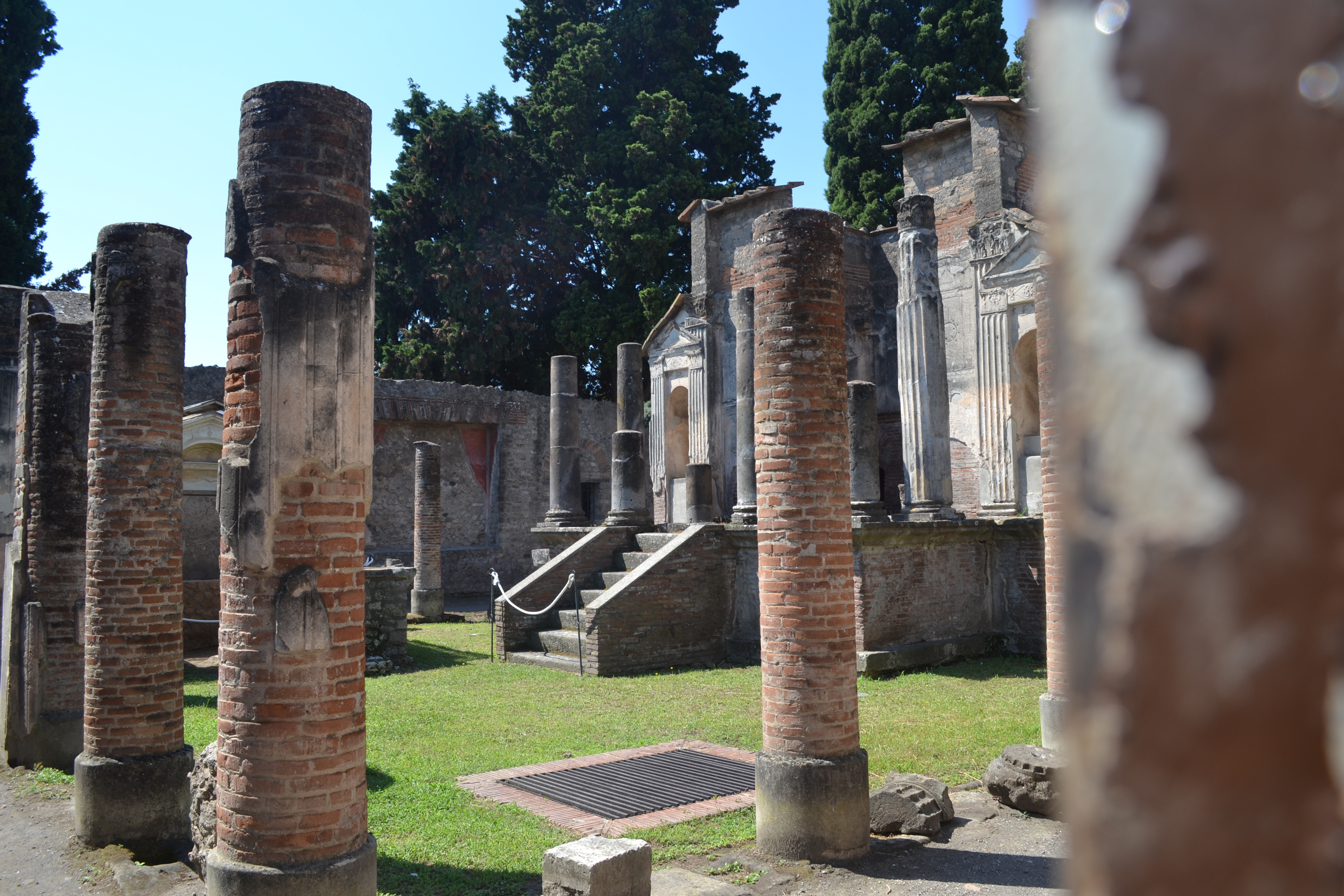
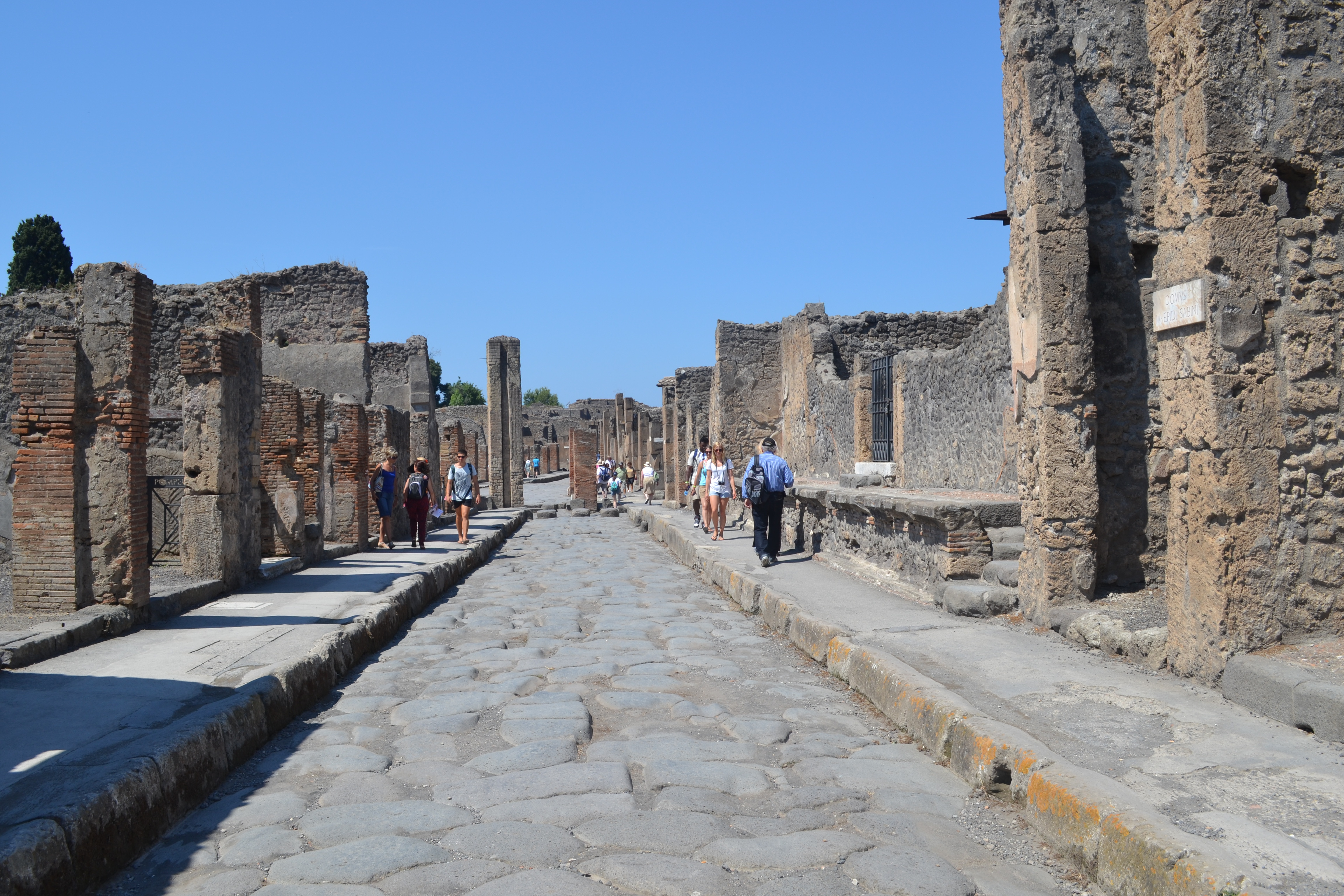
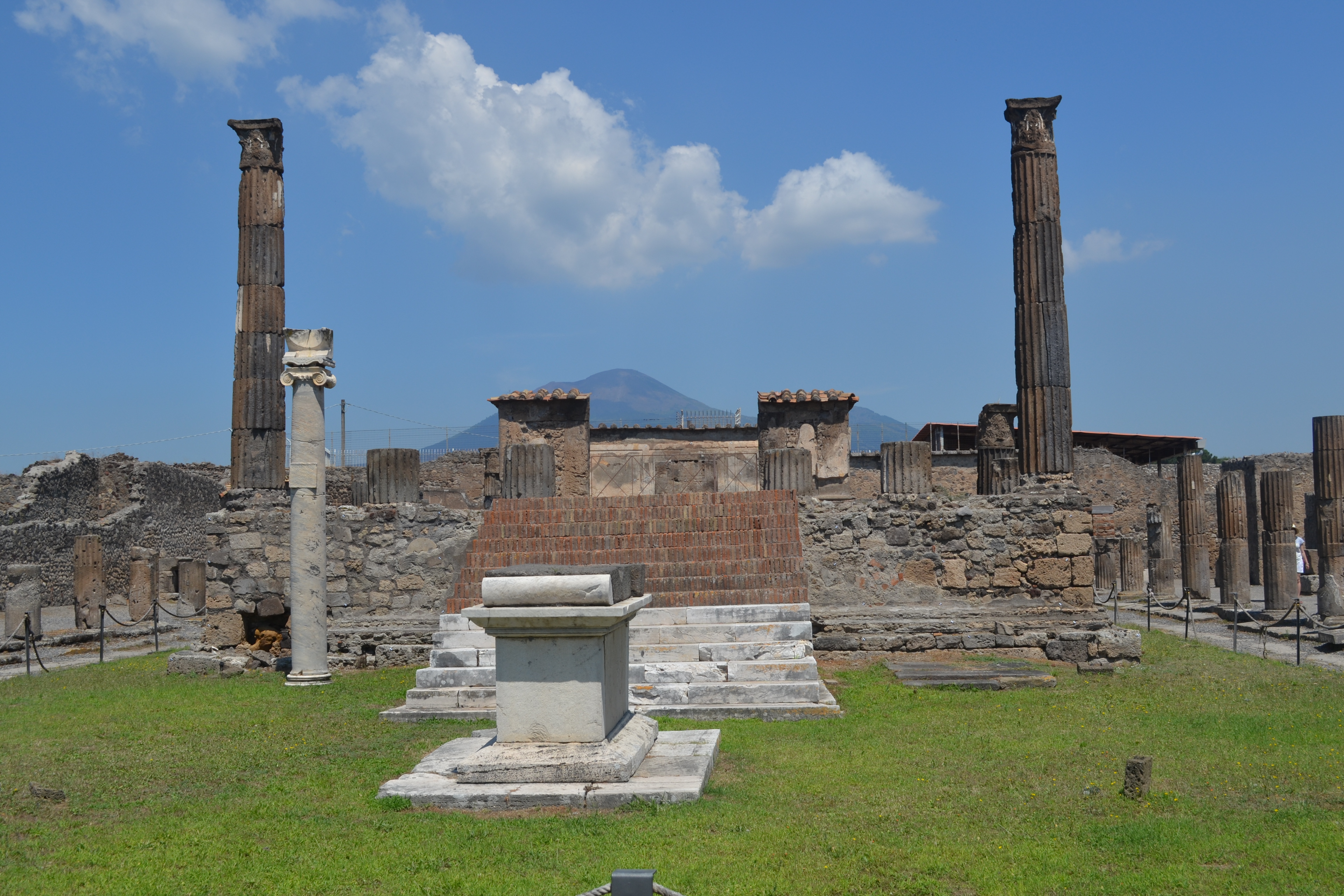
It didn’t seem right to come to Italy and not see Pompeii. For years I have gravitated toward books that show how ordinary people become courageous when disaster hits. I’ve read popular accounts like Simon Winchester’s Krakatoa, but I have also read things like The Children’s Blizzard, by David Laskin, which relates survivors’ accounts of the sudden 1888 blizzard that killed many children on their way home from school. I read about how 1900 people died in 1917 in The Halifax Explosion by Joyce Glasner. The Day the World Came to Town by Jim DeFede, is an account of the total stoppage of air travel in the U.S. after 9/11 and its impact on Gander, Newfoundland when passenger planes made an unexpected visit to the town. Once again, I read every word. I read everything I can on the 1918 flu pandemic. Yet I have never picked up a book on Pompeii.

DSC_0795

Now that I’ve seen Pompeii, I cannot describe it or give justice to the impact it had on me. Maybe I need to read a book before I can talk about Pompeii. So I’ll tell you about the wild ride up Mt. Vesuvius, the villain in Pompeii’s story.

DSC_0839

We went by water across the bay to Pompeii and then rode a bus to the site and then on to Vesuvius. People worried about getting seasick on the boat. As it turned out, the ride up the volcano took out a few of our group. From Pompeii, the bus lurched along a windy road past picture-perfect villas with “wedding” named or implied in their signs. Our guide explained that weddings are a big business at the base of the volcano with panoramic views of the sea. The resorts featured all the usual stereotypes of Italy, vine and flower-draped balconies, water flowing over replicas of Rome’s Trevi fountain, courtyards ready for grand receptions, and backdrops for wedding photos. It was a bit surreal after seeing the ruins of Pompeii.DSC_0848

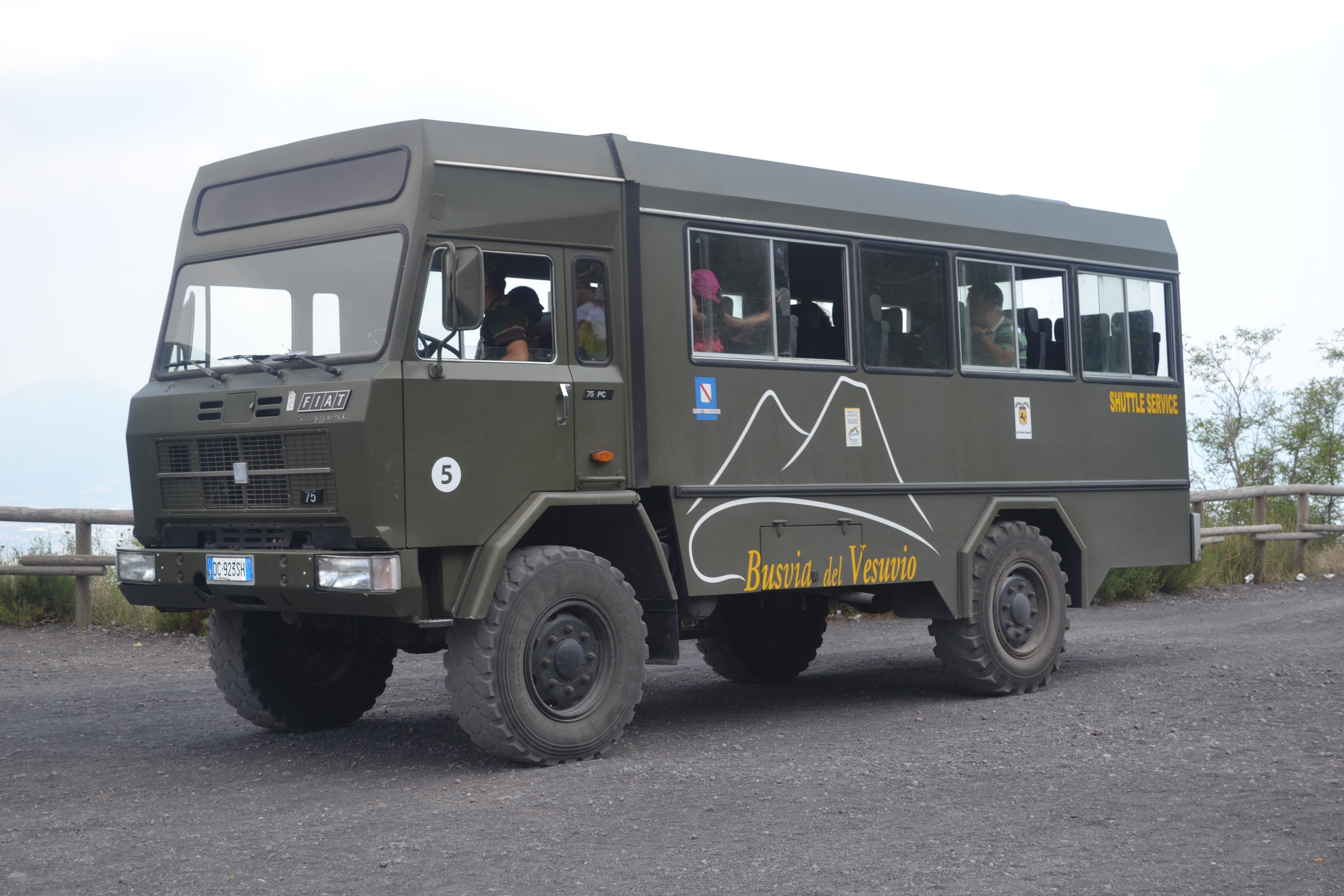
We arrived at the official place for transport up the mountain. These are serious vehicles used to climb the narrow zig-zaggy road to the footpath. The drivers loaded us onto one of the vehicles and told us to put on our seatbelts. About three-quarters of the group found a working seatbelt. The rest of us held onto the handles in front of us and hoped for the best. We started up the mountain, rocking and swaying, and bouncing in our seats as our driver talked to our guide. He gestured with one hand as he conversed, steering the people-mover with the other hand and glancing only occasionally at the road as he made the hairpin turns. Some of our group began to hang their heads and their faces turned quite pale as the rocking went on and on. About half-way up, our driver answered his cell phone, holding it up to his ear with his free hand. “Ciao!” he said, followed by a loud in-your-face conversation which seemed to be related to our stopping to let another mammoth pass us on its way down the mountain. Those of us in the back felt the wheels move sideways as the vehicle made its turns. Very cool.DSC_0887

The ride up the mountain lasted around twenty minutes. The green-faced jumped out with relief, but they were given only a moment to rejoice. Our guide pointed to the steep footpath ahead, illuminated with early afternoon sun, and said “It’s only a 200 meter climb to the crater.” He smiled as he showed us the way, stopping every 50 meters or so to let everyone catch up. “Almost there. Not far now.” The problem, of course, was that those of us in the front enjoyed a nice rest, but when the slower climbers reached us, he moved on before they could catch their breath. Someone blasted Santana from his phone as we climbed. It was a bit irritating to have the solitude of the climb interrupted by an electric guitar. It was even more distressing when I realized it was my phone playing a pocket selection of I-Tunes. Oops.

We made it to the crater where another guide told us about the history of Vesuvius and its eruptions. He also explained the continued monitoring of the volcano, but pointed out that there is no real plan on how to move three million terrified people if there is indication of an upcoming eruption. He said the current plan was to hope the mountain might wait until technology comes up with flying cars or a molecular transport system. Ha-ha. The green got greener. They brightened when our guide said we would spend only fifteen minutes at the top, before trekking back down to an air-conditioned transport. The ride back down was sure to be smoother.DSC_0855 DSC_0862

Perhaps I’m a bit jaded, but do we need souvenir stands at the top of Vesuvius? Water and other refreshments are necessary and a defibrillator and heat-exhaustion medication, certainly. But postcards amid lava rock statues? It seems to take a little away from contemplation of the destructive 79 AD eruption. But moving on.

The giant people-mover that waited for us was not air-conditioned, but on the plus side, it had enough working seatbelts for everyone. Another jerky, rocking ride. Another dramatic phone call and a long wait at the passing curve. Then onto the air-conditioned bus for the bumpy ride back to the boat. Those carsick people actually smiled when they saw the boat. Except… thunderstorms and a bit of a rough sea. For the rest of us — chilled Limoncello and Italian beer.

There are true adventurers, who withstand all kinds of discomfort to see the world. I salute those people on our tour who knew they might get sick, but ventured on, so they can say “I stood on top of Mount Vesuvius.”

Getting over fashion in Milan

There are two things that I have discovered about myself in Milan. The first is that I cannot learn the language of every country I visit. The second is that fashion is not for me. Some of you are saying “duh” right now, because you know these things about me already. It took some time for me to realize the facts of my life.

After five years of French, I can read a menu and exchange a few niceties in Paris, but I’ll never be fluent. As it turns out, I seem to have more of an ear for Italian, although that isn’t saying much, because I began language studies too late in life. So, I must call myself what I am – a tourist. That is not easy to say. I don’t want to be a tourist. I want to blend into the culture and not stand out as a foreigner.

DSC_0777 (3)

My hosts in Milan pointed out that I look American and I don’t seem to be the fashion type. They said this with caring and respect, because I think I picked the only family in Milan that doesn’t care about fashion. They saved me from buying into the whole “you’re nothing if you’re not fashionable” mindset.

It is natural to want to be noticed in a place where rich tourists parade down the Gallerie Vittorio Emanuele II with their Versace purchases, expensive jewelry and Montblanc watches dangling from their wrists as they carry the bags. Every other woman looks like a model. And boy do they know how to walk with confidence and how to face down anyone not willing to move from their path on the sidewalk. These women pull their fingers through their hair in a certain way that shows they know they have style and they know we are watching them with envious eyes. It is difficult to not feel intimidated by young beauty. Sometimes, though, it is the older women who remind me of my style faux pas. I can tell you I have been sneered at for my gray Sketchers many a time in Paris and Milan. I found out that I will never meet MY expectations when I dress for Milan, because I expect to be fashionable on an unfashionable budget. I cannot justify spending a month’s worth of health insurance premiums on a handbag that is $500 at 50% off. It doesn’t make sense to want to be one of those women, yet balk at the price or not care about the value of a designer label. I finally understood this after a few days in Milan.

There are women who define themselves with fashion. These are women who know what they like and how to wear it, but they choose their clothing by cut and style, not by the hippest designer. They choose a designer because he/she speaks to their style. I know it is a fine line here. There is a difference, though. They are using fashion to augment their personalities and yes, they are using fashion to get noticed. I’ll say it again. We all want to be noticed. It’s just that wearing designer clothes for the sake of being “in fashion” is not being true to oneself.

A tourist must be practical. I walk 2-5 miles a day. I cannot wear high heels or fussy shoes. I can’t afford to dry clean expensive outfits or count on a washing machine or iron. Everything I carry must be able to withstand sink washing with odd soaps and be wrinkle resistant. Yet I continued to deride myself for not being fashionable. My host family told me where to get the best bargains on practical clothing like t-shirts and socks. In the heart of the city center, I bought a pair of pants with an elastic waist for 10 euros. It is the only pair of pants that fit me without falling down to my knees. You know the book about the “traveling pants” that fit all the girls who wore them and how they changed their perspectives on their bodies and lives? Well, these cheapo pants did that for me. When I wear them, I know that I will not be fashionable and it frees me to look for attention in other ways. Or even more important, it frees my mind to take in the incredible sights and experience things outside of the fashion district.

DSC_0757 (2)

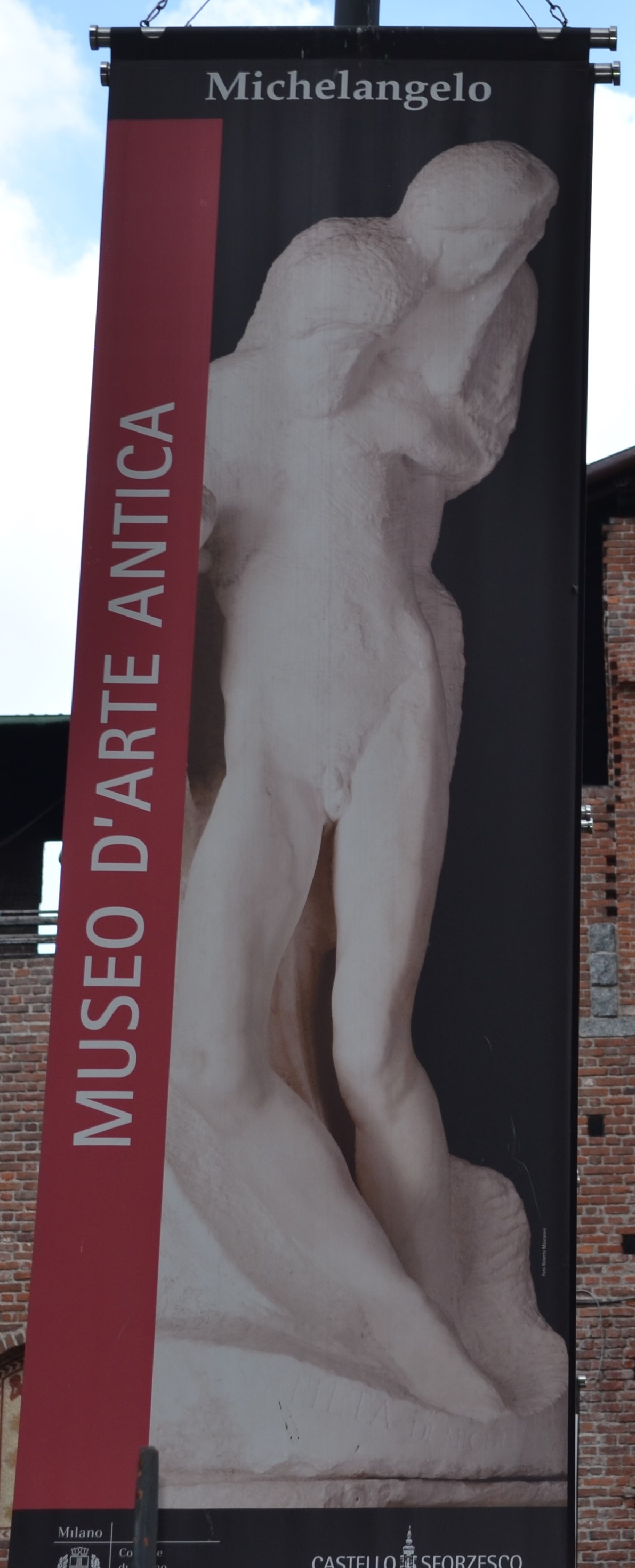
I saw Michelangelo’s Rondanini Pieta in the Castello Sforzesco museum. For ten minutes, I walked around the statue, close enough to touch it, and I was the only person there. I went inside the Duomo with an art historian who explained the gruesome statue of a man without his skin. I went to the other part of the museum that houses The Last Supper. Again, I was the only one in the Sacristia del Bremante in Santa Maria delle Grazie looking at pages from Da Vinci’s Codex Atlanticus. Fashion is a form of art and should be taken seriously, but after I pushed fashion aside, I was able to see some of the other art of Milan.

When I stopped worrying about fashion, I actually found that confidence I lost. I began to try Italian and was willing to sound like a clumsy, clueless tourist. And do you know what happened? I began to be noticed in a good way. I started the real process of being me.

My Travel Tips (So Far)

1)      No matter how much you take out of your suitcase and leave behind, the bag’s weight will always stay the same. It’s as if there is a balance inside that resets to the original “too heavy to carry” weight.

2)      Someone will always carry your bag up the stairs if you stand at the bottom, sigh heavily, and wait long enough (especially if you block the access to the staircase).

3)      Take a taxi from the rail station to your hotel, but learn the subway or bus system for the ride back to the station.

4)      Remember that if you can’t read your handwriting, the ticket agent has no chance.

5)      Non-refundable and non-flexible train tickets mean just that. And sometimes you just get lucky and someone bends a rule – sort-of.

IMG_0824

6)      Learn medical terms in the language of the country you are visiting, because as soon as you leave an English-speaking (or your native) country, you will get sick enough to need help. I found out I can conjugate every tense of the verb “etre”, but I couldn’t remember important body parts like ears, nose, and throat. And I certainly wasn’t prepared in my much-anticipated croissant baking class with an actual French pastry chef, to say, “Excusez-moi, but I’m about to do a face plant in my croissant dough if someone doesn’t help me to a chair.” Luckily one of the receptionists at the school is British and she brought me sugar tea, the best-ever cure for everything.

7)      You will have to wear those emergency glasses you packed. You know the ones – dorky-looking style with even dorkier-looking clip-on sun shades. You will leave your prescription sun glasses in a Paris taxi with a driver who is tired of making sure you are at the right address. He will throw all your luggage on the sidewalk, demand his payment, and leave before you realize what has happened. You will have to wear these glasses in Milan, the fashion capital of the world.

DSC_0735 (2)

8)      If you are traveling alone and book a single room in a B&B, it will be at the top of four flights of stairs. If you opt to share a bathroom, you will be in the attic room and the bathroom will be down two flights of stairs.IMG_0801 (2)

9)      You will wish for English porridge after a few days of outstanding French and Italian pastries.

10)   The only way I will ever have a tan is from a bottle or if all my freckles join together.

11)   No weight lost after traveling for three months will come off the thighs. This is as true as the suitcase principle explained above.

12)   Do not ask anyone in a shop how to find a major street. They have no idea how they traveled to work.

13)   Most Americans seem to spend the Fourth of July in Paris. (including me, as it turns out).

IMG_0822 (2)


*** Most Important Travel Tip***

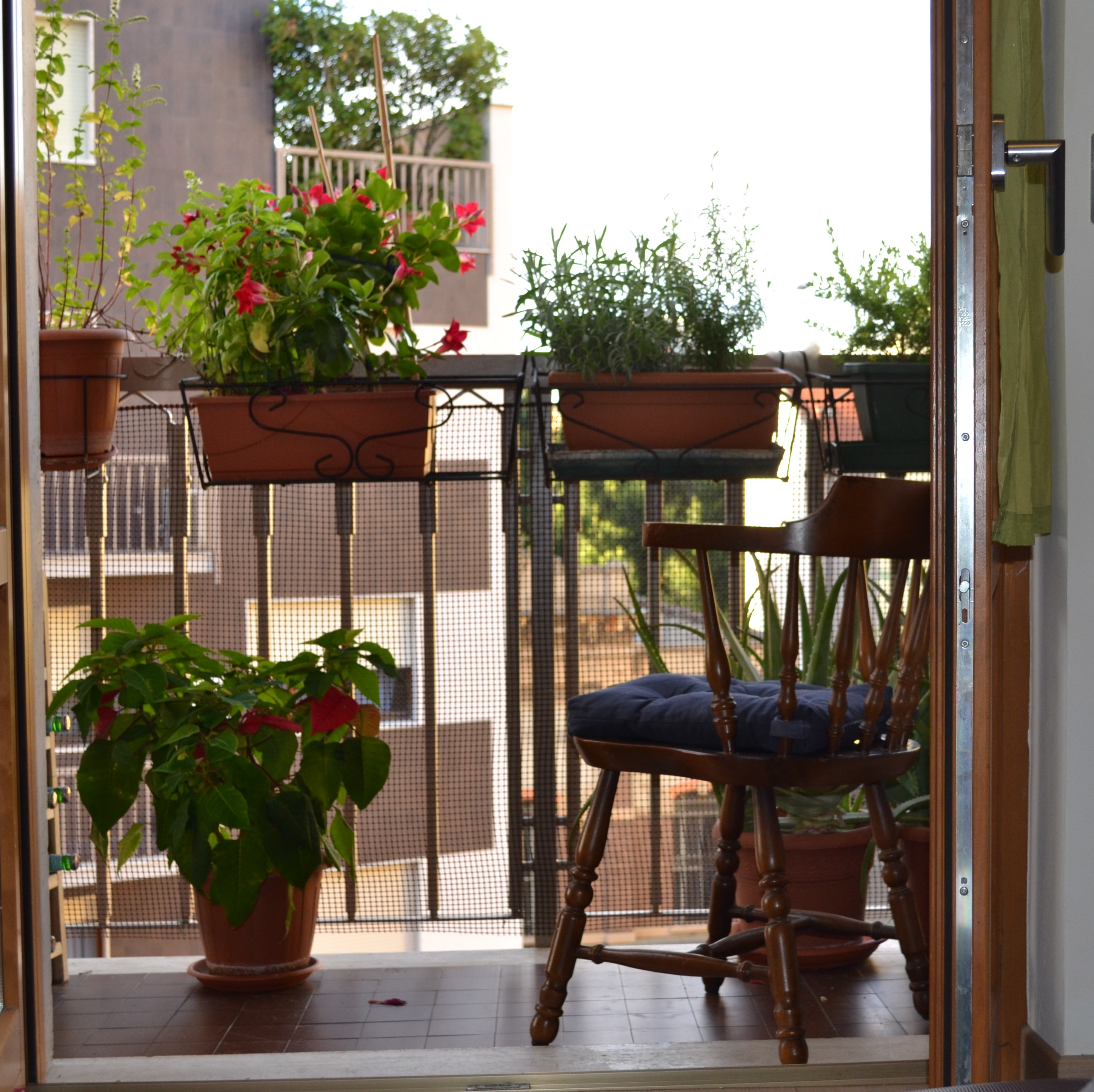
This world is full of caring, interesting people who smile as they help you find your way through the labyrinth of unfamiliar places and languages. My experiences with Airbnb, B&B’s, and hotels has been extraordinary. Every day is stimulating whether it’s raining in Geneva or I’m sick in bed in a Paris apartment watching the pigeons and listening to the music outside. Even if I’m stuck on a train with every Paris child headed to summer camp, their laughter is intoxicating, because I remember my children on a train from Paris to London. Today, I’m writing this on a balcony overlooking a courtyard in an ordinary neighborhood in Milan. I can just see the spire of the Duomo above the buildings. I think of my niece and her family who were here a couple of weeks before me. We’re all connected, even when we are apart. Even when language differences make conversation difficult, we communicate by smiling and finding common words

Traveling this way and staying with people in their homes has enriched my life so much more than isolating myself in hotels. Hotels are a great retreat, though, for regrouping and meditating after a lot of stimulation. And while it is sometimes hard to pack the suitcase again or look for another train, it’s all been worth it.