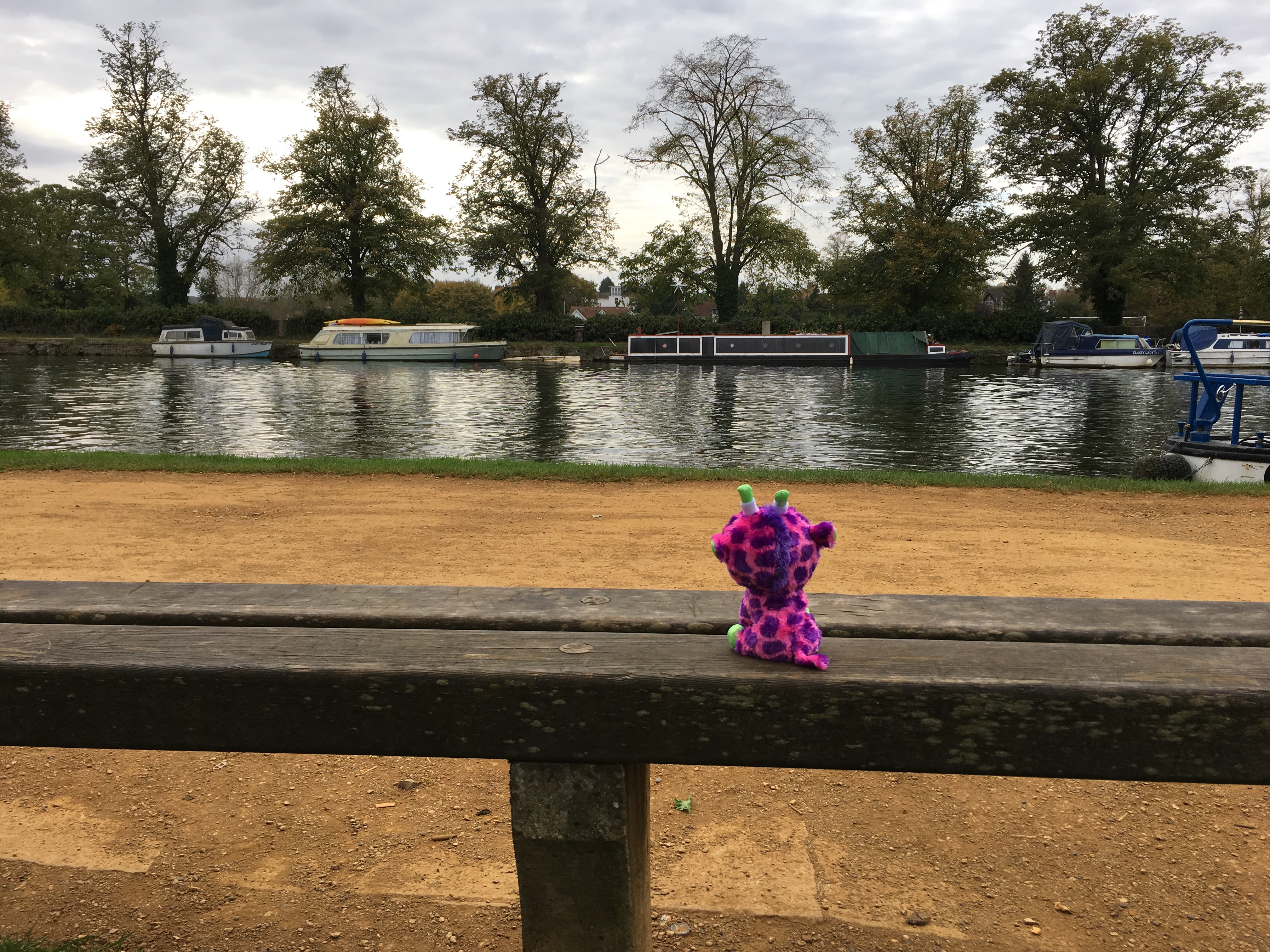
Recently I read an article in The New York Times addressing the ramifications of the ease of digital photography and our need to record and distribute our every move with selfies.** The author, Alex Williams, wondered if we are becoming a world of narcissists missing out on the pleasures of being attentive to our surroundings. He asks if it is better “to live for the moment or record it?”
The fact that I am repeating this question in an over-used form of self-absorption, a blog about my travels and experiences, is the ultimate hypocrisy. My justifications are that this blog is a way for my family and friends to keep track of me, to share my experiences in somewhat real time versus a lengthy slideshow later, to let them know where I am in case I go missing, and to make up for all those phone calls and texts that are too expensive when using international data plans. The photos (admittedly some in the selfie category) are to enhance the blog and show them I am more than all right. Where this logic fails is in my constant perusal of the website statistics. I question why there are no visitors on a certain day or what countries are represented by my visitors. Maybe I should tag my blog posts to gain a higher readership. It seems that I need validation from others. How is this different from posting my mug on Facebook daily or tweeting my every thought before it escapes my limited brain capacity or recording all the cute antics of my grandchild? The sad truth is that it isn’t much different, but I do have an opinion (which I freely share) on the recording of life’s every moment on a digital device. Our obsession with social media is overkill.
Overkill happens when we spend more time composing a photo to post on Facebook, than we do enjoying our location or the event we are recording. This is a personal decision and it depends on the circumstances. But what if we miss the big event because we are focused through a camera lens?
But recording and posting is more than overkill, it can be personally intrusive to those people in our social and family circles who do not wish to be immortalized in a viral video. On Facebook, we have the ability to turn off anything we don’t want to see or we can de-friend someone. We do not have to follow anyone on Twitter. So I honestly don’t care how many selfies someone takes or how many updates they make to their status. I’m in control of what I see and don’t see. In many ways this is preferable to being in a room with a slide projector viewing pictures of someone’s vacation. I can sort through the pictures and view what interests me. And it is always fun to keep track of my family and friends. Mostly I like the freedom of digital communication.
It becomes a problem, though, when pictures are posted for our friends and then sent to their friends. Do we have the right to spread something beyond the original circle of friends? I don’t think we do have that right. Here’s an example. When my son was a toddler, we shot a video of him that seems quite funny and harmless. Sometimes we tease him about bringing out that video. He does not want us to show anyone that video, even though he is an adult now. It makes him uncomfortable. It wasn’t until I thought about the ramifications of children’s cute videos going “viral” that I began to understand. What right do we have to post something without the subject’s consent? Why is it deemed okay for a parent to post a funny incident that might not be funny to the child later on? Just because we can access something in digital form, like the celebrity nude photos, it is still private. Accessing someone’s cloud account and sneaking into someone’s home to find a compromising photo are the same thing.
I’m not saying we shouldn’t send videos of our children to grandparents and family members. What I am saying is that we need to think about what we are doing before we post it to a Facebook account or other social media sites. How many of those friends are really friends? Nobody can be sure that a picture or thought will not be shared with a friend’s friends. I’m just as guilty as others, because I have posted pictures on Facebook of family members and friends without asking permission. I don’t tag them and most of the pictures are benign. Most of the people in the photos I posted are active Facebook participants and don’t care. Some are in public settings and part of a crowd scene which, I believe, is fair game. But not all of them are consensual. Now, I’m more aware of the consequences to other people if I post something without thinking of their sensibilities or wishes. Maybe that cute kid making a silly remark will not find it funny later on.
Some commenters from the online version of The New York Times article brought up some other points — like the intrusion on someone else’s experience when phones and iPads are blocking the view or when performers cannot see their audience because of the camera flashes. There are reasons that photography is restricted in some venues and why funerals often need to be phone-free. Many people disagree with my reasoning, but at life-changing events, I believe it is important to consider those people who want to remember their experience without the backdrop of phones and video cameras. Maybe those gatherings need the professional who knows how to record the day without intruding too much on the celebration or memorial. Digital photography continues to improve and makes better picture-takers out of the amateur photographer. How we use it is certainly an individual decision, because we all have different needs when it comes to the special times in our lives.
I found that at the end of my trip, I tended to leave my camera behind and I focused on the experience, letting it unfold as I wandered about my new surroundings. For the wonders of my world, I knew I can find a better photo on the internet than I can take. I realized I don’t need to prove I was there, even though I continue to share my experiences on my blog. A woman I met in Edinburgh told me of her aunt, who at the age of sixty, decided to take sixty photos of sixty new people in sixty new places. She wanted to record the faces and stories of people she met in her journeys, rather than recreate the same holiday photos of major attractions. It is the people I’ll remember from my travels and I’m sorry I didn’t ask many of them for permission to take a photo, because they are the grand experiences in my life. They are the wonders I want to remember.
** Williams, Alex. “A Defining Question in an i-Phone Age: Live for the Moment or Record It?, The New York Times; September 26, 2014. http://www.nytimes.com/2014/09/28/fashion/a-defining-question-in-an-iphone-age-live-for-the-moment-or-record-it.html?_r=1
 Kathy Travels Europe