Monthly Archives: October 2014

Back in the Good Ol’ USA

The moment I stepped off the British Airways plane and walked into the San Francisco terminal was the moment I severed my last connection to the United Kingdom. It was a bitter-sweet moment. I loved the UK. Returning home was self-imposed, because I missed my family and friends. Also, my return home involved the UK’s hospitality – it welcomed me for six months, no more. It is remarkable how much I noticed about my home country, once I re-established my American life.

The best thing, of course, was reuniting with my children. The second-best thing? Drip coffee. This is not a complaint about the café press. I adore coffee from a press, but I do not adore cleaning it. And I’m right in there with the espresso crowd. Yet it’s easy to understand why instant coffee is a hit in the UK. It’s a quick dose of caffeine in the morning. The wonderful thing about drip coffee is that I can make a pot and leave it to simmer into a tar-like substance for much of the day. It sounds terrible, but I learned to drink strong, sludgy coffee when I visited sheepherders with my Deputy Sheriff dad. Sludge tastes like home.

I cannot seem to get enough American Mexican food. Tacos, burritos, enchiladas, and refried beans did not taste the same in England. Or pancakes or turkey…

One unexpected pleasure is the view of the San Francisco bay from my daughter’s home. Watching the fog roll in at night as it extinguishes city lights is better than any television. When the fog rolls back in the morning, so much is revealed, from the deer standing near the front window to the two bridges that define the bay – the grand white girders of the new Bay Bridge and the familiar reddish-orange of the Golden Gate Bridge. On a clear morning, the sun reflects off the water of the bay and the skyscrapers emerge from the haze.

I found it a bit difficult to get financing for a new car when I have no real home and I was out of the country for six months. Really! Do I look like a flight risk? Excellent credit and a helpful car salesman soon solved the problem. I am now a proud member of the American driving public. I also put 1000 miles on my new odometer, within one week of purchasing my car, with a drive across Nevada to Idaho. Trust me. I’m not on the run. The State of California and my bank can find me in that little Hole in the Wall.

The drive reminded me of the country I left behind and how, in one 10-hour day, I can drive through the Sierras with their massive pines and icy blue mountain lakes, only to descend into the flat, lonely desert of Nevada. Some observations from my drive:

  • Is it better to stop at the only rest stop in a couple of hundred miles, when it is located off the road a mile into the trees and risk either Sasquatch or the Unabomber or is it better to hold it and risk some horrible urinary consequence?
  • Rattlesnakes at rest stops. No explanation needed.
  • Sometimes the most interesting thing was when I met up with a car whose cruise control was set just a tiny bit lower than mine and it took half an hour to pass it. Who flinches first and alters the cruise control speed to stop the standoff?
  • Reading the owner manual of a new car while driving 80 miles per hour is never a good idea.
  • I’m not a fan of the desert, but there is a subtle beauty in the desert in the fall. I noticed the colors looked like layers of decorative sand placed in a jar. First the layer of black asphalt that blended into the red fire bush alongside the road. The fire bush melded into the blooming yellow-topped, dusty-green sagebrush. Beyond the black, red, yellow, and green swirled intricate shades of beige sand, scattered with dots of black pines. Now if there could just be the white concrete of a rest stop in the tableau…
  • No matter how many radio stations across Nevada are dedicated to Country Western, I still don’t like it.
  • The boredom of the drive is somewhat alleviated by allotting two Pretzel M&M pieces for every five miles driven.

I arrived in Wendover (a town divided between non-gambling Utah and gambling Nevada) about dusk. An unusual amount of rain had fallen earlier in the week, covering the normal, compacted, snow-colored salt flats with standing water and with the lowering sun, it looked like a gigantic blue-water oasis in the middle of the desert. In all my years in Utah I’ve missed that view of the Salt Flats. However, the monotony of the drive hasn’t changed and I rejoiced when the unmistakable stink of decaying brine shrimp preceded my arrival at the Great Salt Lake.

I’m in the mountains of Idaho right now. I’ve returned to my small hometown for a bit. There are pickup trucks with gun racks in their cabs and antlers in their beds. The diner is filled with cowboy hats and boots and deer hunters in camouflage. Most people live within an easy walking distance of the main street and grocery, but everyone drives. I remember that hiking from sea level is a lot easier than from beginning at a mile high. Freight trains roll through the town every night and their whistles comfort me just as they did in my childhood. And last week, I experienced thunder snow for the first time in a while.

I remember why I couldn’t stay here and I’m anxious to begin my life again, but in many ways I’ve come full circle. The spires of Oxford seem so distant from my life now. I’m seventeen again – bursting to escape. As George Bailey said in It’s A Wonderful Life, “I’m shakin’ the dust of this crummy little town off my feet and I’m gonna see the world.”

I’ve seen some more of the world and once again, my life is ahead of me.

But it’s nice to be back home in the USA.

Are All Pictures Worth a Thousand Words?

Recently I read an article in The New York Times addressing the ramifications of the ease of digital photography and our need to record and distribute our every move with selfies.** The author, Alex Williams, wondered if we are becoming a world of narcissists missing out on the pleasures of being attentive to our surroundings. He asks if it is better “to live for the moment or record it?”

The fact that I am repeating this question in an over-used form of self-absorption, a blog about my travels and experiences, is the ultimate hypocrisy. My justifications are that this blog is a way for my family and friends to keep track of me, to share my experiences in somewhat real time versus a lengthy slideshow later, to let them know where I am in case I go missing, and to make up for all those phone calls and texts that are too expensive when using international data plans. The photos (admittedly some in the selfie category) are to enhance the blog and show them I am more than all right. Where this logic fails is in my constant perusal of the website statistics. I question why there are no visitors on a certain day or what countries are represented by my visitors. Maybe I should tag my blog posts to gain a higher readership. It seems that I need validation from others. How is this different from posting my mug on Facebook daily or tweeting my every thought before it escapes my limited brain capacity or recording all the cute antics of my grandchild? The sad truth is that it isn’t much different, but I do have an opinion (which I freely share) on the recording of life’s every moment on a digital device. Our obsession with social media is overkill.

Overkill happens when we spend more time composing a photo to post on Facebook, than we do enjoying our location or the event we are recording. This is a personal decision and it depends on the circumstances. But what if we miss the big event because we are focused through a camera lens?

But recording and posting is more than overkill, it can be personally intrusive to those people in our social and family circles who do not wish to be immortalized in a viral video. On Facebook, we have the ability to turn off anything we don’t want to see or we can de-friend someone. We do not have to follow anyone on Twitter. So I honestly don’t care how many selfies someone takes or how many updates they make to their status. I’m in control of what I see and don’t see. In many ways this is preferable to being in a room with a slide projector viewing pictures of someone’s vacation. I can sort through the pictures and view what interests me. And it is always fun to keep track of my family and friends. Mostly I like the freedom of digital communication.

It becomes a problem, though, when pictures are posted for our friends and then sent to their friends. Do we have the right to spread something beyond the original circle of friends? I don’t think we do have that right. Here’s an example. When my son was a toddler, we shot a video of him that seems quite funny and harmless. Sometimes we tease him about bringing out that video. He does not want us to show anyone that video, even though he is an adult now. It makes him uncomfortable. It wasn’t until I thought about the ramifications of children’s cute videos going “viral” that I began to understand. What right do we have to post something without the subject’s consent? Why is it deemed okay for a parent to post a funny incident that might not be funny to the child later on? Just because we can access something in digital form, like the celebrity nude photos, it is still private. Accessing someone’s cloud account and sneaking into someone’s home to find a compromising photo are the same thing.

I’m not saying we shouldn’t send videos of our children to grandparents and family members. What I am saying is that we need to think about what we are doing before we post it to a Facebook account or other social media sites. How many of those friends are really friends? Nobody can be sure that a picture or thought will not be shared with a friend’s friends. I’m just as guilty as others, because I have posted pictures on Facebook of family members and friends without asking permission. I don’t tag them and most of the pictures are benign. Most of the people in the photos I posted are active Facebook participants and don’t care. Some are in public settings and part of a crowd scene which, I believe, is fair game. But not all of them are consensual. Now, I’m more aware of the consequences to other people if I post something without thinking of their sensibilities or wishes. Maybe that cute kid making a silly remark will not find it funny later on.

Some commenters from the online version of The New York Times article brought up some other points — like the intrusion on someone else’s experience when phones and iPads are blocking the view or when performers cannot see their audience because of the camera flashes. There are reasons that photography is restricted in some venues and why funerals often need to be phone-free. Many people disagree with my reasoning, but at life-changing events, I believe it is important to consider those people who want to remember their experience without the backdrop of phones and video cameras. Maybe those gatherings need the professional who knows how to record the day without intruding too much on the celebration or memorial. Digital photography continues to improve and makes better picture-takers out of the amateur photographer. How we use it is certainly an individual decision, because we all have different needs when it comes to the special times in our lives.

I found that at the end of my trip, I tended to leave my camera behind and I focused on the experience, letting it unfold as I wandered about my new surroundings. For the wonders of my world, I knew I can find a better photo  on the internet than I can take. I realized I don’t need to prove I was there, even though I continue to share my experiences on my blog. A woman I met in Edinburgh told me of her aunt, who at the age of sixty, decided to take sixty photos of sixty new people in sixty new places. She wanted to record the faces and stories of people she met in her journeys, rather than recreate the same holiday photos of major attractions. It is the people I’ll remember from my travels and I’m sorry I didn’t ask many of them for permission to take a photo, because they are the grand experiences in my life. They are the wonders I want to remember.


** Williams, Alex. “A Defining Question in an i-Phone Age: Live for the Moment or Record It?, The New York Times; September 26, 2014. http://www.nytimes.com/2014/09/28/fashion/a-defining-question-in-an-iphone-age-live-for-the-moment-or-record-it.html?_r=1

Ghostly Sightings in Dover

Like those seagulls in Dover, uneasiness follows me and deftly closes in on my conscience. It’s time to apologize to the White Cliffs. Now that there is recent footage of a ghost in Dover Castle (search for Dover Castle ghost 2014), I am compelled to share my own experience at the castle, as well as to talk about the many good things about Dover.DSC_0653

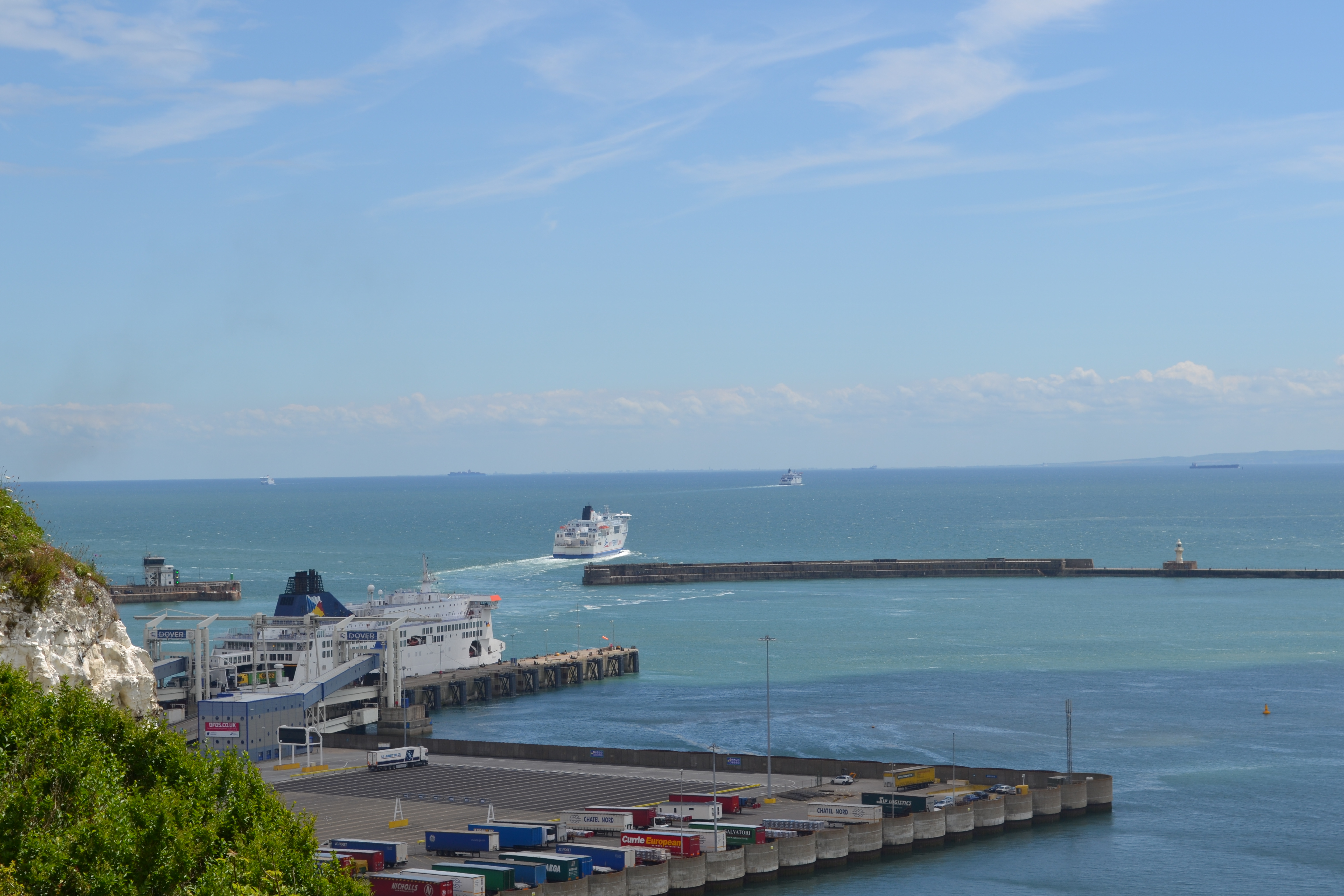
DSC_0637It’s true that Dover and I didn’t quite click. There’s the absence of enticing restaurants or eateries for a pedestrian visitor. At best, the city center lacks the vibrancy of any other seaside village in June and at worst, it produced uncomfortable vibes for a solo woman traveler. Vagrancy and a tolerance for visible drug use and drunkenness was off-putting. I’m no prude and can ignore quite a bit when a place is filled with young holiday-makers, but my first impression of Dover included a calculation of how many days I had before I could leave.

IMG_0781There are a few places in my travels that haven’t been instant hits – places where I want to flee or hole up in my room until I can grab my suitcase and run to the train station. These are the places where I question my decision to stay for a longer time to “get to know” a place. I wonder what possessed me to book for so many days, yet these are the destinations that often bring me the most satisfaction, if only for the simple reason of sticking it out. Some places might be contenders for Tim Moore’s book, You Are Awful (But I Like You) Travels Through Unloved Britain. Others just felt wrong to me for various, inexplicable reasons. Sticking it out, I’ve found, is often excruciating, but also makes me find the glitter in the debris. And there are gems hidden in places like Dover. I was sorry to leave Dover at the end of my “sticking it out” sentence.

There are three places in every stop that offer a tourist a glimpse of a new place – the Tourist Information Bureau, the local museum, and the public library. Dover’s tourist bureau and local museum reside together and the interior of the building is airy and seems spacious, even with all the usual tourist pamphlets. This is a recent move for the museum after some years of neglect and after most of the museum and contents were destroyed in the World War II bombing raids. The museum curators have worked to build the small, but impressive collection of artifacts. IMG_0710 (2)An unexpected treat was the exhibition dedicated to the successful English Channel swimmers displayed along the stairwells.

IMG_0723 Like most of the country, Dover museum paid homage to the sacrifices and triumphs of World War I. IMG_0715 (2)

I did not visit the library in Dover and I am regretting it, because many libraries’ local history sections boast of local pride, from ghosts and murders to famous residents and, I suspect in Dover, a dominant theme of Carry On.

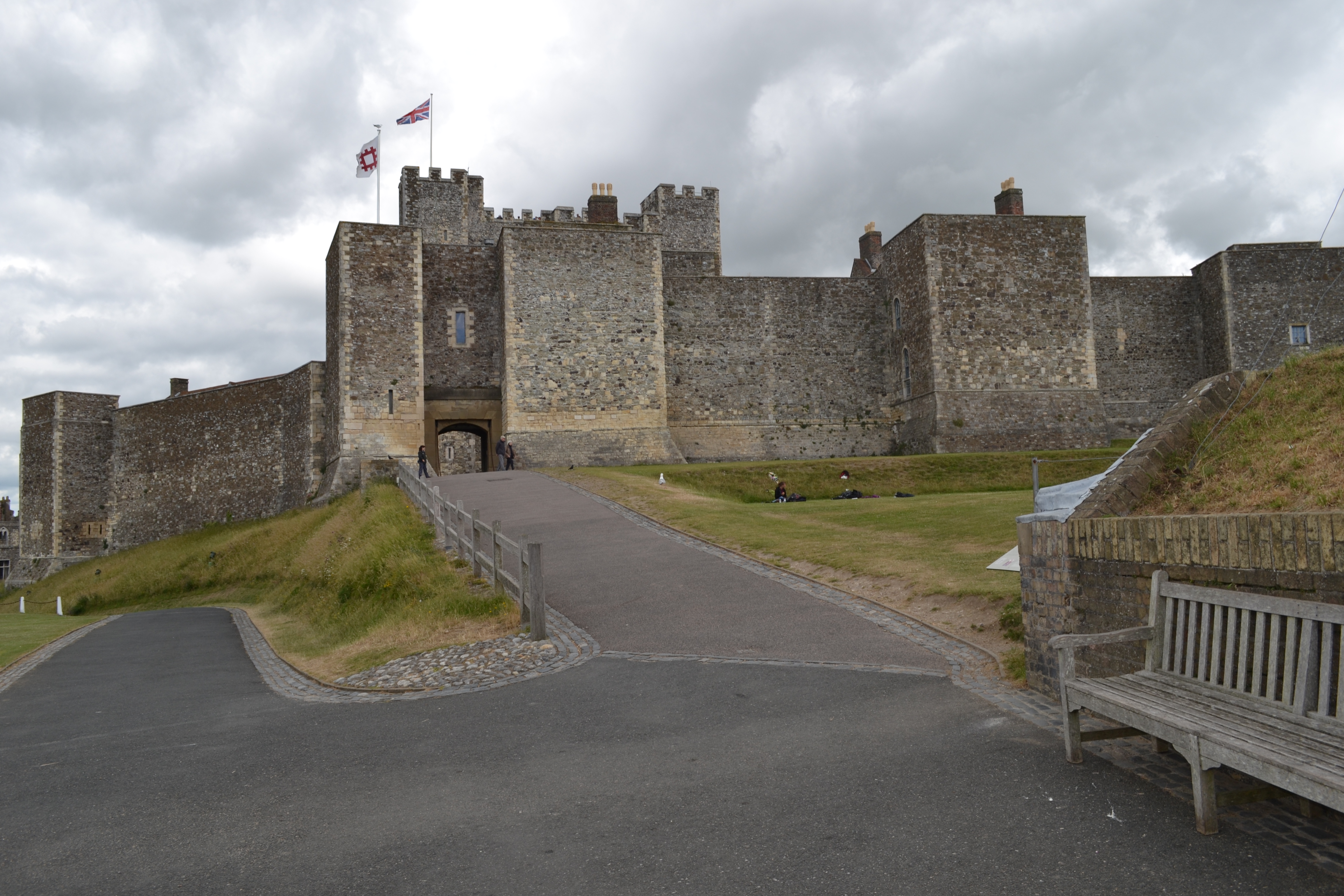
Dover’s main feature, besides the port, is its castle, built in the twelfth century and touted as the oldest castle in England. Unlike many castle attractions in the UK, Dover castle remains raw without much need for embellishment. There is a smallish interactive introduction to the castle and its inhabitants and an outline of its history. This is geared to educational visits, rather than catering to the tourist. Much of the castle is untouched by modern entertainment. There are two notable exceptions – the Great Tower and the tours of the tunnels. I chose to avoid the costumed guides or the hoopla of Henry II. I did visit the Secret War Tunnels where visitors can follow the planning and execution of Operation Dynamo, the Dunkirk rescue mission in WWII, when allied soldiers were saved by a multitude of British boats and ships. The tunnels are claustrophobic, as well as confusing, making it nearly impossible to allow visitors to wander alone underground. What I liked about the tour was the way the tour guide moved us along from room to room and tunnel to tunnel with stops to watch video footage projected on the walls. We gained a sense of the activity in the tunnels during WWII as we wandered past the names of soldiers and sailors scraped into the tunnel walls. There were informational placards at the displays, without the amusement park atmosphere found in so many castles and estates.

DSC_0645

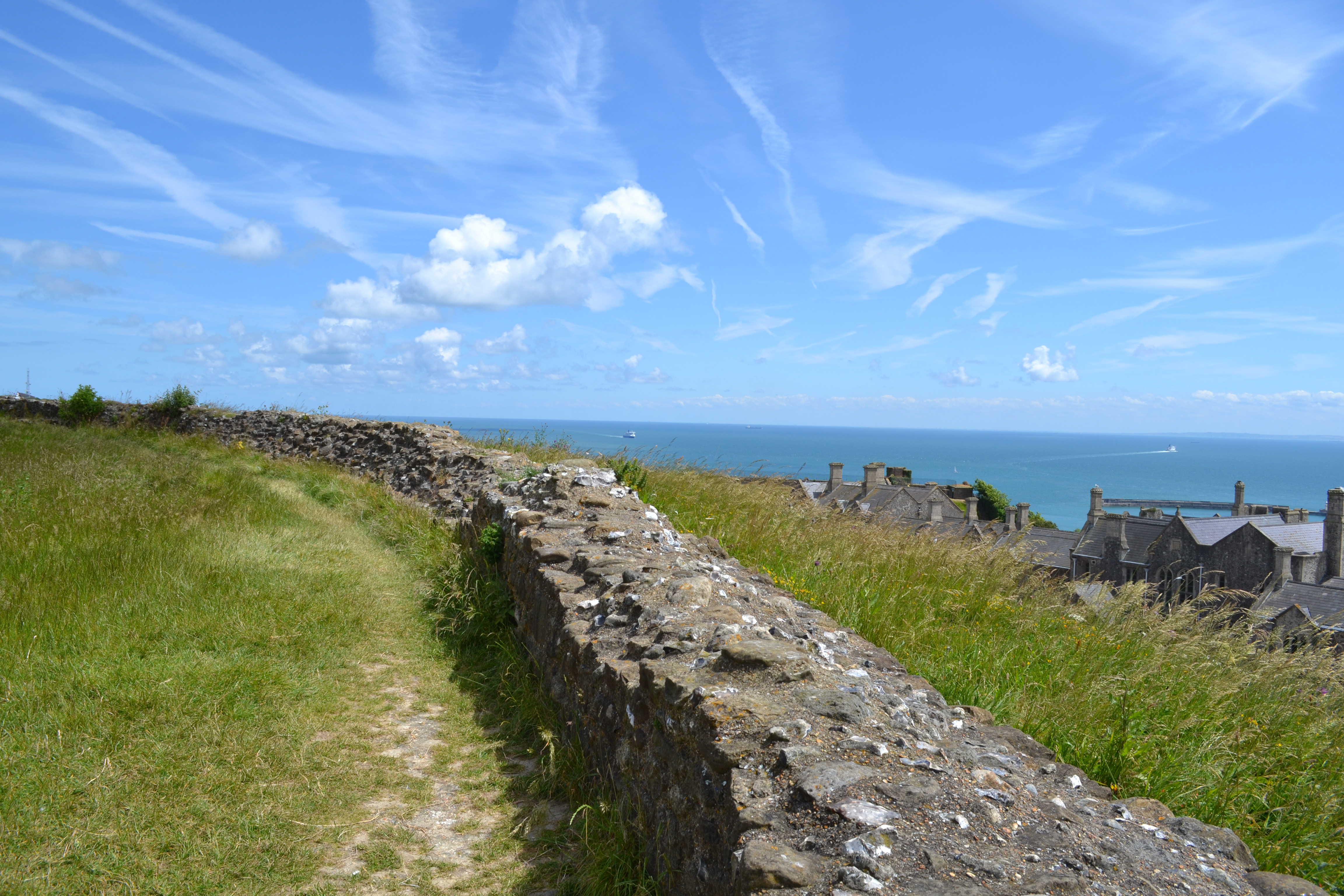
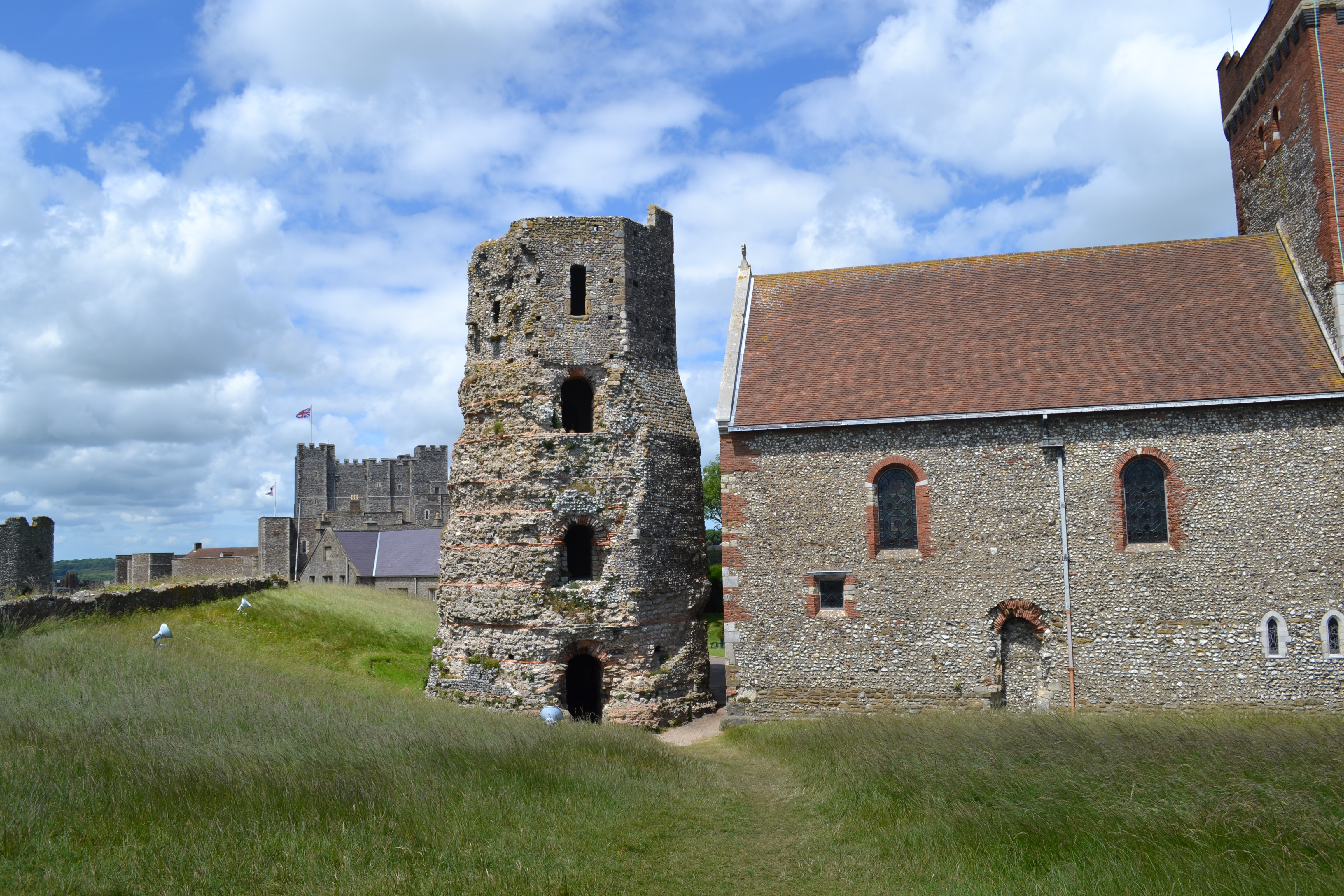
After the tour I wandered around the castle grounds (75 acres total), stopping at the Admiralty Lookout, where France is visible on a clear day and then walking up to the keep and on to the Chapel of St. Mary-in-Castro, a Saxon church still in use as a military chapel. Next to the chapel sits the Roman Pharos, a lighthouse built in AD 46. It was here I had my own “ghostly” encounter. Full disclosure here: I don’t think I actually believe in ghosts, but at the same time, I want to be proved wrong. Dover Castle also has the distinction of being named the most haunted place in England. This honor, however, seems to be bestowed on several places in England, depending on their tourist numbers.

DSC_0667Some of the more known ghosts consist of a man in a long cape and broad hat with flowing hair or a man’s legs without a torso or a man without his legs. Recently, a long-established drummer boy found his way to the other side with the help of a paranormal expert and his drum is now silent. There are many accounts of an officer being sighted in the tunnels, but there is a possibility that he is a hologram projected as part of the tour experience. There is only one encounter at the lighthouse that I can find and the person asks if anyone else has experienced anything there – no details. So here’s my story.

DSC_0668

I visited Dover Castle at the end of June. It was a weekday, but the place was eerily empty of visitors. I ran into a few at the top of the tower and in the gift shops and waiting for the tunnel tours. When I visited the church and lighthouse, I was the only person there for at least half an hour. My habit is to find a church far from the notice of the guidebooks or only mentioned in the guidebooks as a historical sideline. A chapel in a castle is usually quiet and empty. That was the case with the Chapel of St. Mary-in-Castro. I sat inside for fifteen minutes, using the silence as a chance to meditate, contemplate, and to snoop around in the military chapel. The kneelers and the seat cushions were decorated with military insignias or memorials to fallen soldiers. I have no knowledge of medieval architecture, so I couldn’t tell what additions were made since its Saxon beginnings. It was a small chapel with a heavy, wood and metal door, and it was quiet. My thoughts focused on more personal and modern problems. I felt no ghostly fingertips (imagined or real). The temperature of the chapel did not turn icy. In fact, I reveled in the peaceful, relaxed mood I felt after my rest in the chapel. The door seemed heavier than before to open, but that was the only anomaly I noticed. I walked out of the chapel toward the lighthouse. That’s when I heard the laughter.

It was not the frenzied laughter of school children. It wasn’t the sinister playacting of a prankster. This laughter permeated terror. The overused cliché of unearthly is the only way I can describe it. Her laugh echoed from the pharos. I heard a woman laughing in fear and madness. By that time, I was familiar with the wild screeching of sea gulls and other sea birds. This was nothing like that. I looked around the tower for many minutes. I looked over the walls by the church. I looked down the slopes in each direction. I waited. Nobody else appeared.

Did I encounter a ghost? I rather doubt it, because there must be a reasonable explanation. The reason I can’t dismiss it with complete certainty is that I was not expecting or even desiring to find a ghost. I was at peace with myself and my surroundings. My mind was on the present. I do know that I never want to hear that horrible laughter ever again.