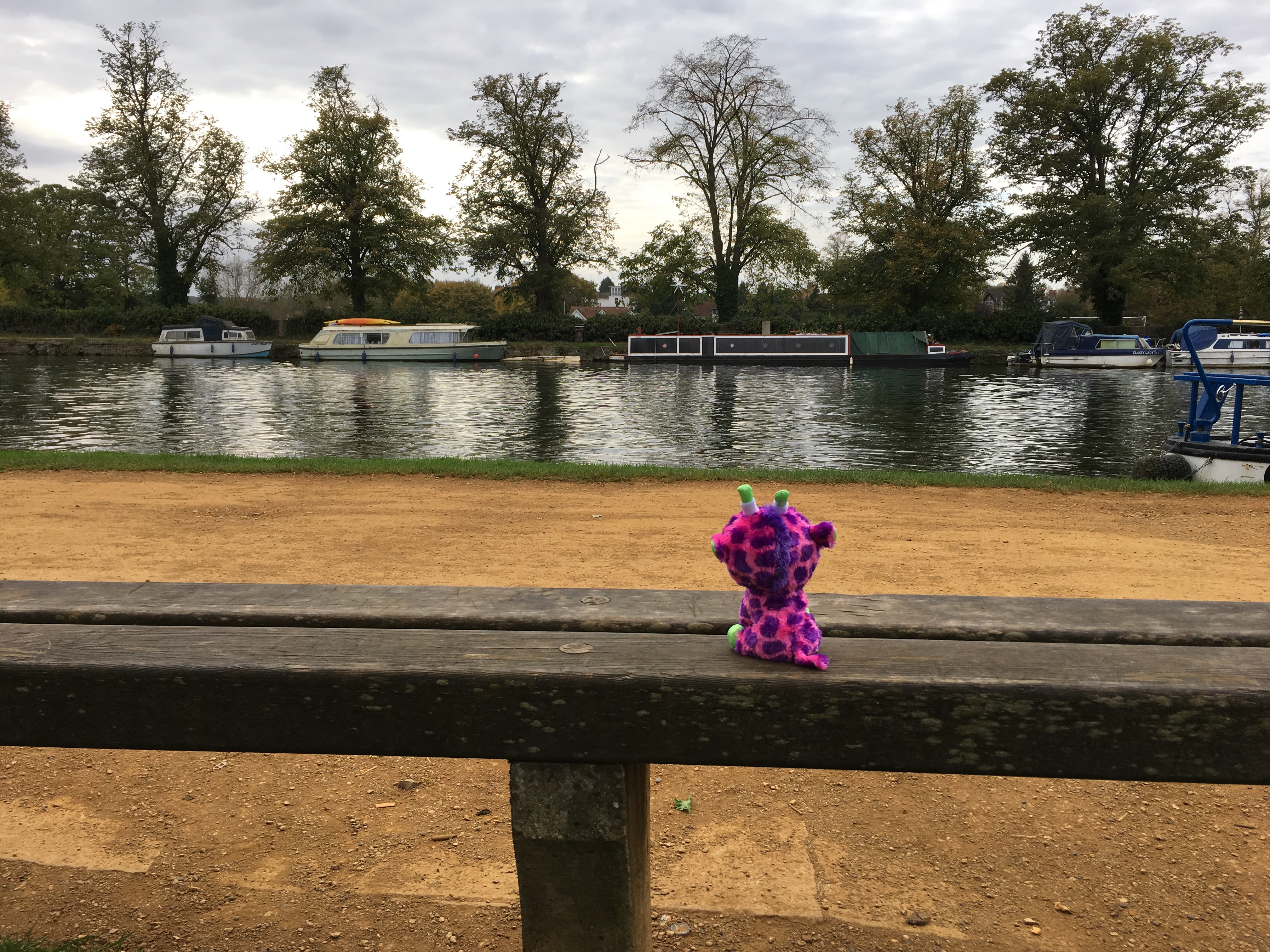
It didn’t seem right to come to Italy and not see Pompeii. For years I have gravitated toward books that show how ordinary people become courageous when disaster hits. I’ve read popular accounts like Simon Winchester’s Krakatoa, but I have also read things like The Children’s Blizzard, by David Laskin, which relates survivors’ accounts of the sudden 1888 blizzard that killed many children on their way home from school. I read about how 1900 people died in 1917 in The Halifax Explosion by Joyce Glasner. The Day the World Came to Town by Jim DeFede, is an account of the total stoppage of air travel in the U.S. after 9/11 and its impact on Gander, Newfoundland when passenger planes made an unexpected visit to the town. Once again, I read every word. I read everything I can on the 1918 flu pandemic. Yet I have never picked up a book on Pompeii.
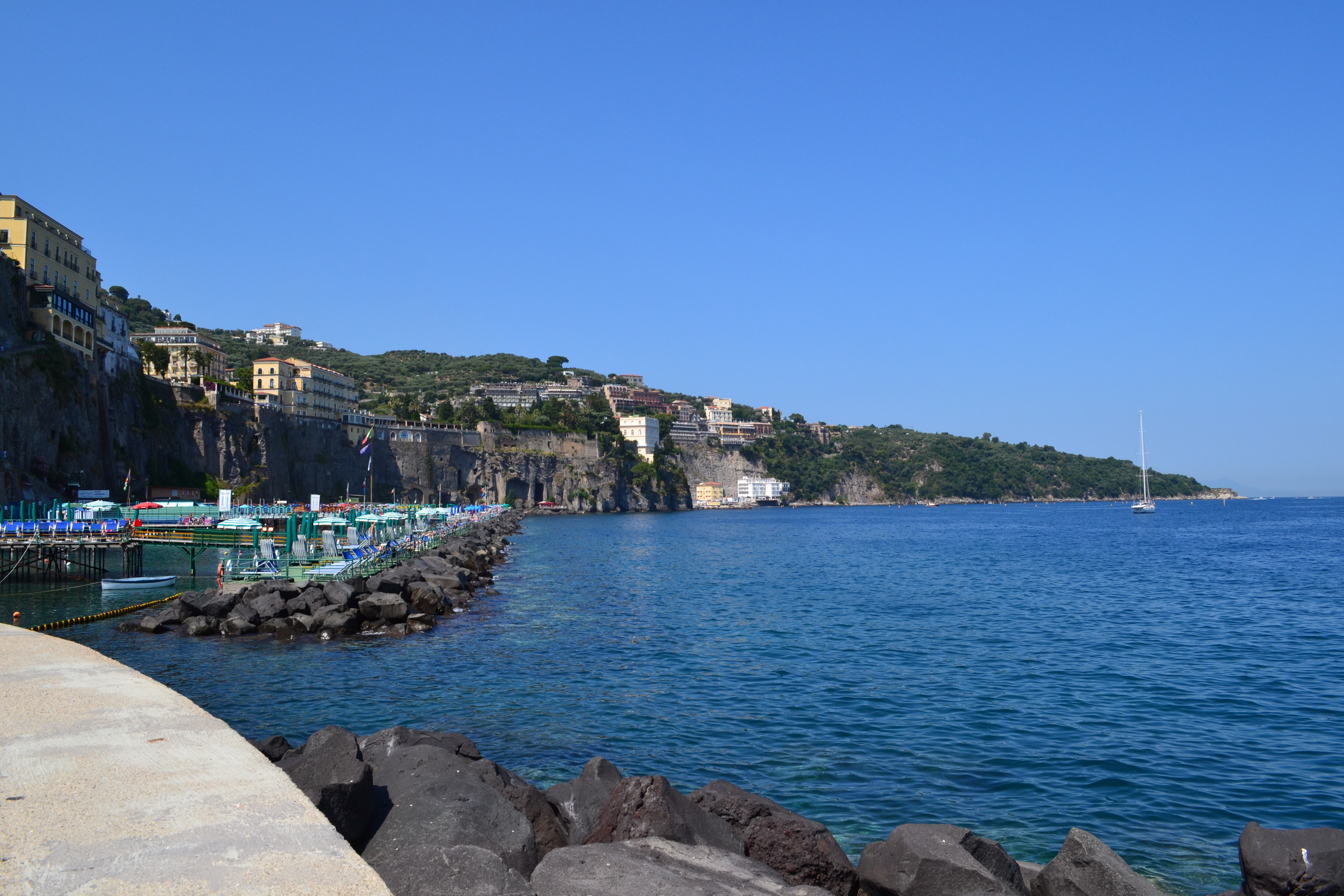
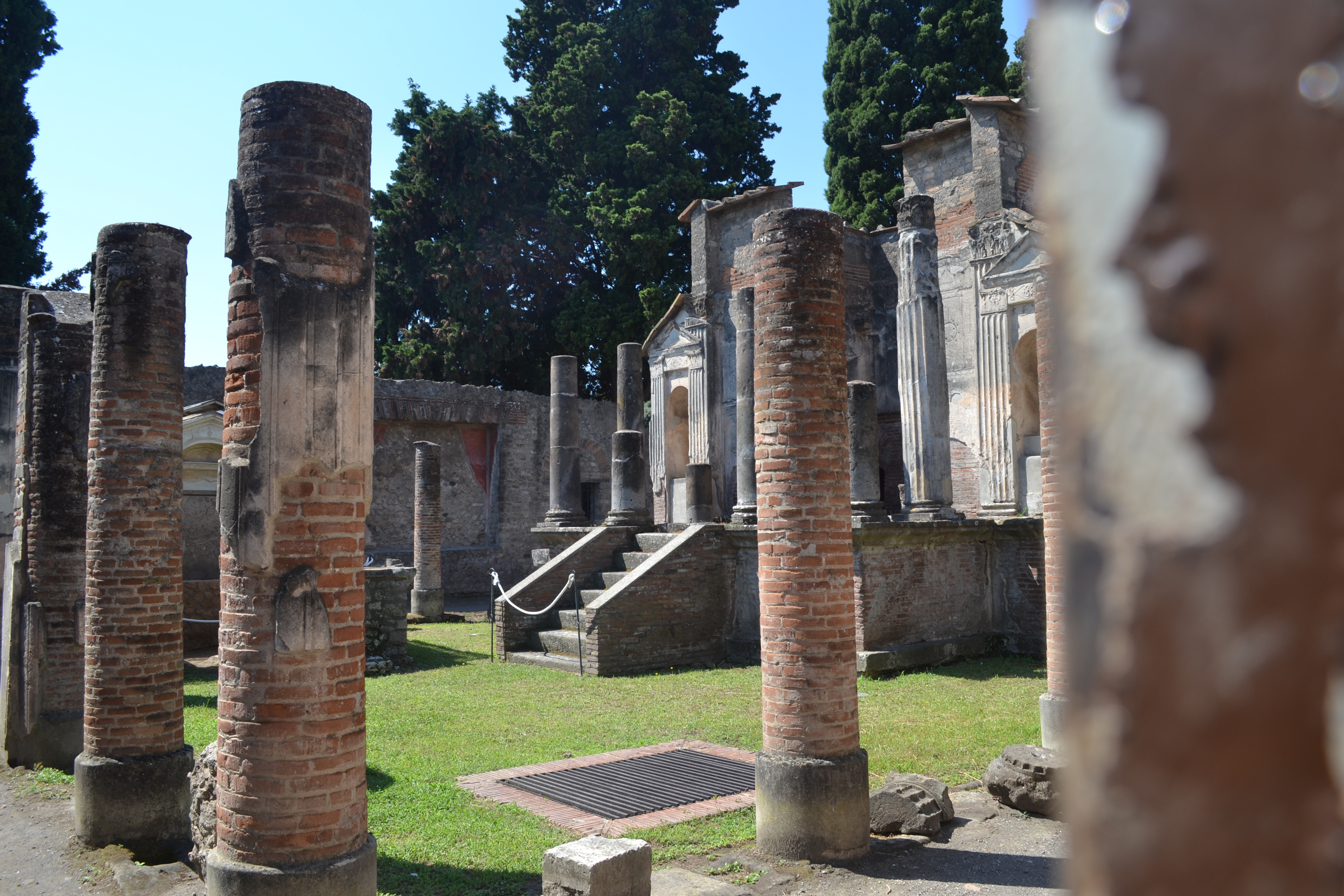
Now that I’ve seen Pompeii, I cannot describe it or give justice to the impact it had on me. Maybe I need to read a book before I can talk about Pompeii. So I’ll tell you about the wild ride up Mt. Vesuvius, the villain in Pompeii’s story.
We went by water across the bay to Pompeii and then rode a bus to the site and then on to Vesuvius. People worried about getting seasick on the boat. As it turned out, the ride up the volcano took out a few of our group. From Pompeii, the bus lurched along a windy road past picture-perfect villas with “wedding” named or implied in their signs. Our guide explained that weddings are a big business at the base of the volcano with panoramic views of the sea. The resorts featured all the usual stereotypes of Italy, vine and flower-draped balconies, water flowing over replicas of Rome’s Trevi fountain, courtyards ready for grand receptions, and backdrops for wedding photos. It was a bit surreal after seeing the ruins of Pompeii.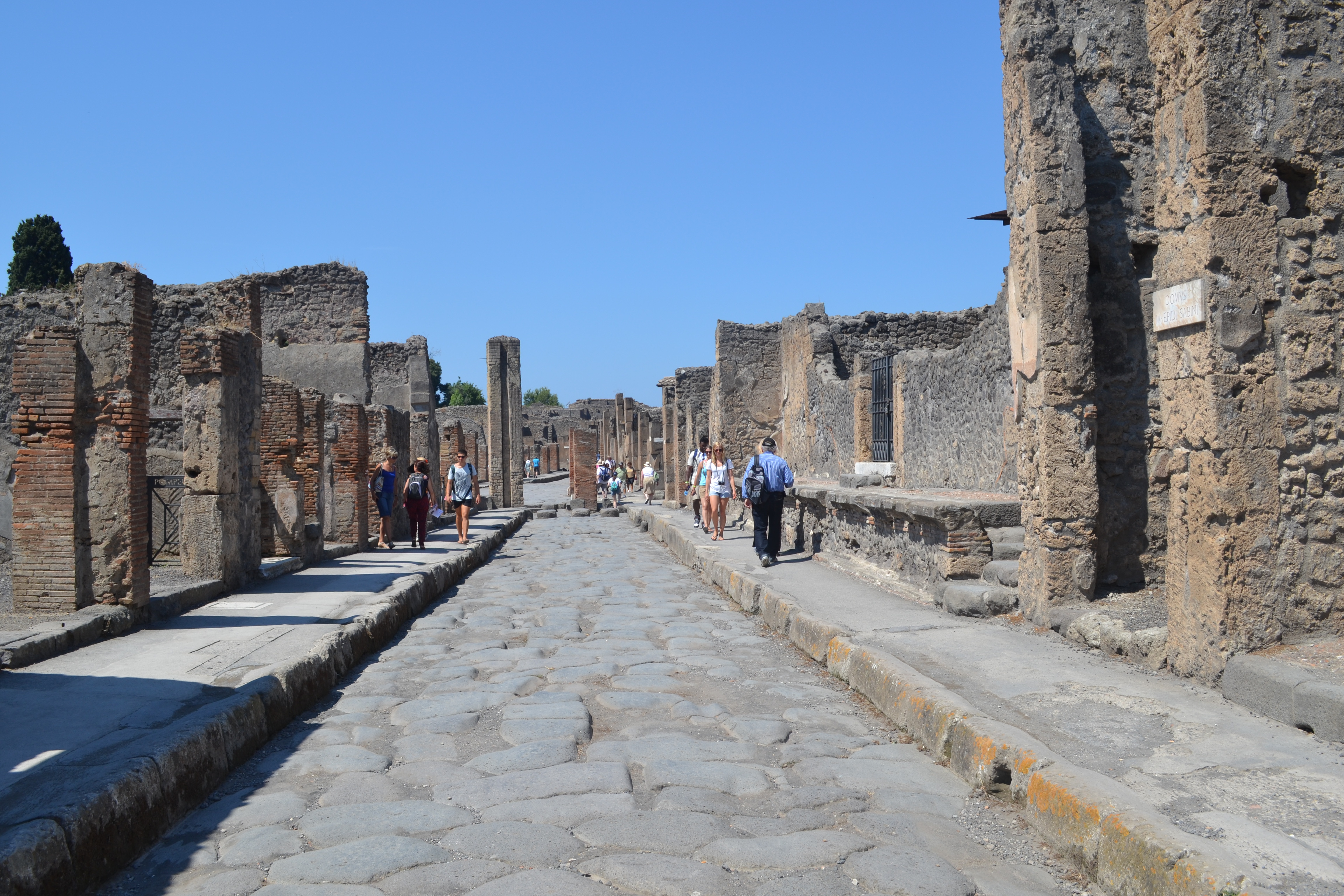
We arrived at the official place for transport up the mountain. These are serious vehicles used to climb the narrow zig-zaggy road to the footpath. The drivers loaded us onto one of the vehicles and told us to put on our seatbelts. About three-quarters of the group found a working seatbelt. The rest of us held onto the handles in front of us and hoped for the best. We started up the mountain, rocking and swaying, and bouncing in our seats as our driver talked to our guide. He gestured with one hand as he conversed, steering the people-mover with the other hand and glancing only occasionally at the road as he made the hairpin turns. Some of our group began to hang their heads and their faces turned quite pale as the rocking went on and on. About half-way up, our driver answered his cell phone, holding it up to his ear with his free hand. “Ciao!” he said, followed by a loud in-your-face conversation which seemed to be related to our stopping to let another mammoth pass us on its way down the mountain. Those of us in the back felt the wheels move sideways as the vehicle made its turns. Very cool.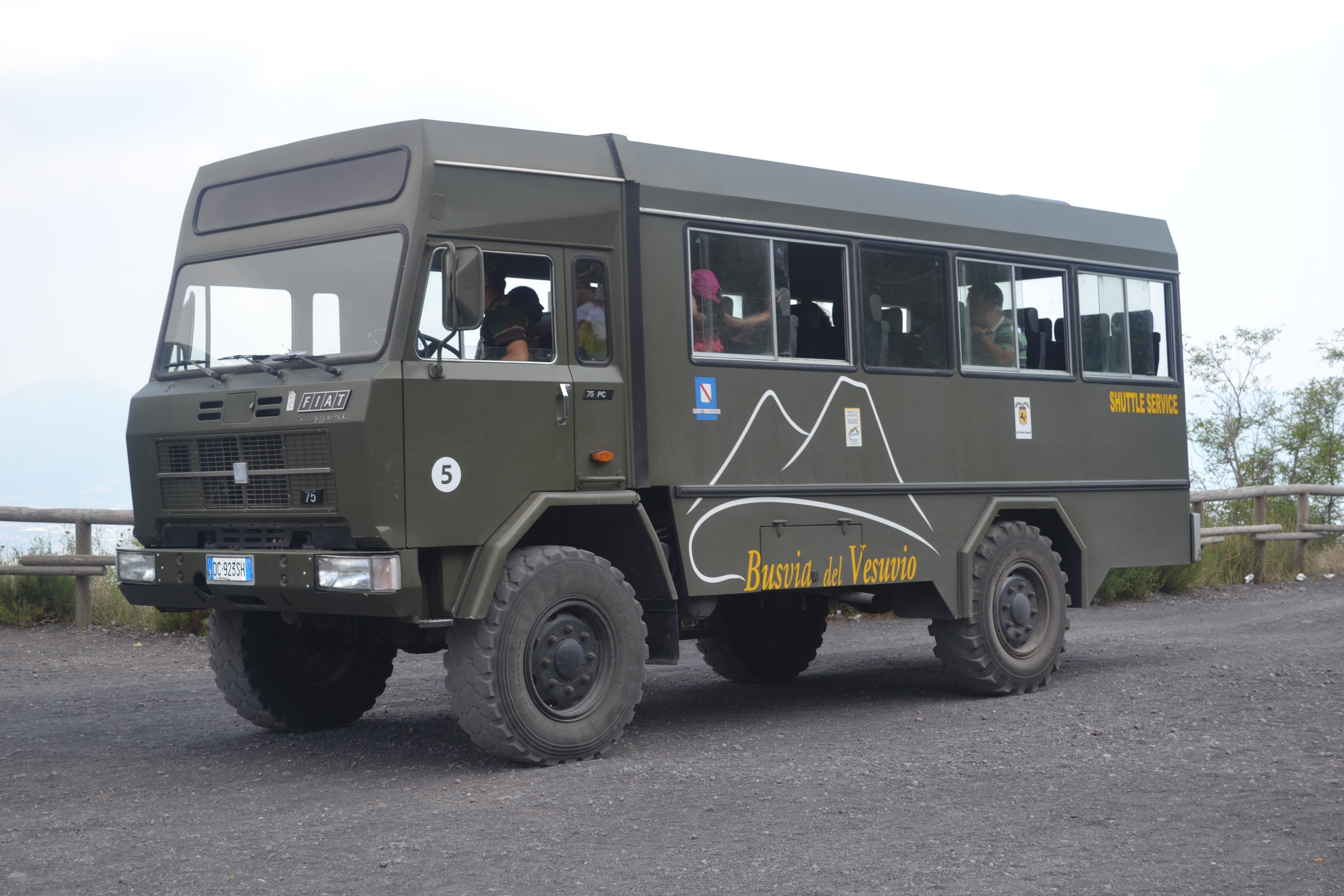
The ride up the mountain lasted around twenty minutes. The green-faced jumped out with relief, but they were given only a moment to rejoice. Our guide pointed to the steep footpath ahead, illuminated with early afternoon sun, and said “It’s only a 200 meter climb to the crater.” He smiled as he showed us the way, stopping every 50 meters or so to let everyone catch up. “Almost there. Not far now.” The problem, of course, was that those of us in the front enjoyed a nice rest, but when the slower climbers reached us, he moved on before they could catch their breath. Someone blasted Santana from his phone as we climbed. It was a bit irritating to have the solitude of the climb interrupted by an electric guitar. It was even more distressing when I realized it was my phone playing a pocket selection of I-Tunes. Oops.
We made it to the crater where another guide told us about the history of Vesuvius and its eruptions. He also explained the continued monitoring of the volcano, but pointed out that there is no real plan on how to move three million terrified people if there is indication of an upcoming eruption. He said the current plan was to hope the mountain might wait until technology comes up with flying cars or a molecular transport system. Ha-ha. The green got greener. They brightened when our guide said we would spend only fifteen minutes at the top, before trekking back down to an air-conditioned transport. The ride back down was sure to be smoother.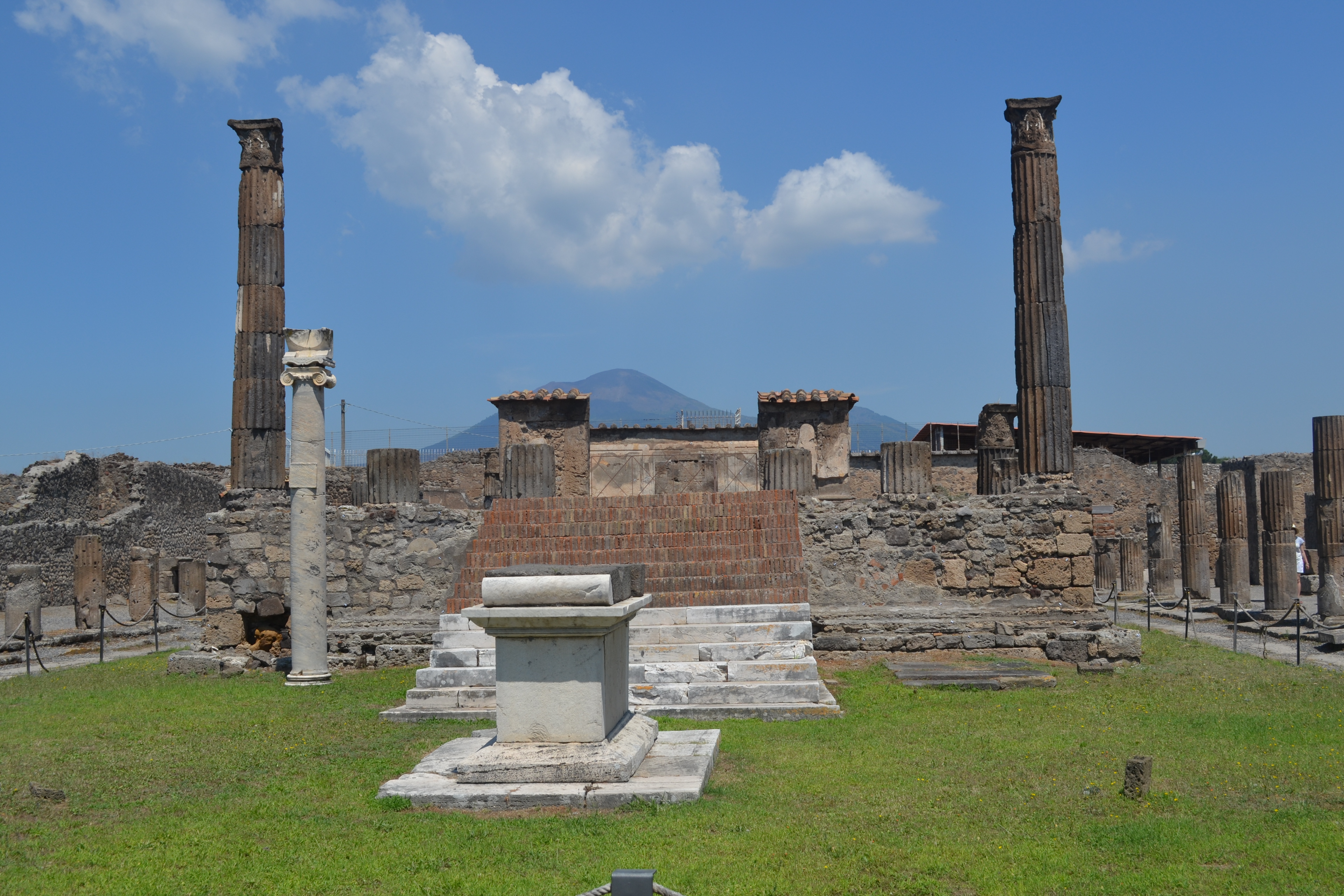

Perhaps I’m a bit jaded, but do we need souvenir stands at the top of Vesuvius? Water and other refreshments are necessary and a defibrillator and heat-exhaustion medication, certainly. But postcards amid lava rock statues? It seems to take a little away from contemplation of the destructive 79 AD eruption. But moving on.
The giant people-mover that waited for us was not air-conditioned, but on the plus side, it had enough working seatbelts for everyone. Another jerky, rocking ride. Another dramatic phone call and a long wait at the passing curve. Then onto the air-conditioned bus for the bumpy ride back to the boat. Those carsick people actually smiled when they saw the boat. Except… thunderstorms and a bit of a rough sea. For the rest of us — chilled Limoncello and Italian beer.
There are true adventurers, who withstand all kinds of discomfort to see the world. I salute those people on our tour who knew they might get sick, but ventured on, so they can say “I stood on top of Mount Vesuvius.”
 Kathy Travels Europe