Monthly Archives: July 2014

In Paris for the Tour de France, but I went to the Louvre…

And, because of luck and the Norwegians, I saw Le Radeau de la Méduse AND the cyclists!

When I booked my stay for the weekend in Paris, the Tour de France did not enter my mind. It just happened to be the weekend I chose to break up my train travel from Lake Como to London. When I think about it, it is quite amazing I found a place to stay (and believe me when I say that hotel has a lot to answer for). It is also amazing that a city renowned for coffee and pastries will not open its doors to hungry visitors until eleven on Sundays. So my unfruitful search for caffeine and sugar led me to the Champs-Élysées.IMG_1119 Barricades and grandstands blocked any chances of getting to the Place de la Concorde, but it was coffee I needed, so I continued down Rue de Rivoli where people were camped out already in cafes and along the barricades.IMG_1106 One thing I learned that day is that you had better be on your preferred side of the road by noonish or you will be stuck for hours, as there is no immediate access across the street after that. I ended up on the Louvre side where I found a cafe and watched the convoys of police vehicles and buses make their way along the course. It didn’t seem like a good idea to photograph the French police, so I have no photos of this.

On the corner of Rue de Rivoli and Pont Royal and next to the rat-infested Jardin des Tuileries, the Norwegian spectators were setting up for their day. The drinking started early on, but they didn’t need much alcohol to find a reason to celebrate. Every time a police vehicle or city crew drove past the group, they cheered. They were a friendly bunch, giving me the information I needed about the expected arrival of the cyclists. It was at this point I had to make the crucial decision. Did I want to wait for hours to catch a 20-second glimpse of the peloton or give it a miss? It wasn’t an easy choice. My university studies were in modern French History. It made sense to experience the Tour de France in Paris, for goodness sake!

Practicalities prevailed. The fact remained that I was one person. There was no one to hold my place when I needed to find a WC or more water or even a bench to rest my legs. My new-found friends wouldn’t bother. I don’t have international data on my phone, making it hard to follow the progress of the bikers, although there were plenty of Americans in Paris that day with cell phones. I looked toward the Louvre. Thanks to the Tour de France, the line to get into the Louvre on a Sunday afternoon was almost non-existent. Also, the very visible police force discouraged any scammers, so the gauntlet of hucksters around the Louvre was much easier to handle. Decision made.

What a blissful three hours I spent in a climate-controlled building, a loo on every floor, snacks and water purchased from cheerful people, and when I avoided the main must-see items, no crowds in the galleries. Most of the people in the museum, it seemed, were trying to take a selfie with Mona Lisa.IMG_1121

About three o’clock I checked on the progress of the bikers and the crowd. My spot next to the Norwegians was open. They didn’t remember me, of course, and I think they wondered about this strange woman hanging out with them. But hey, I didn’t see any sign that proclaimed that spot as part of Norway. So I waited and waited and waited. As incredible as it was, the gang still cheered with the same exuberance as they had earlier on. Norwegians have great stamina. At this point, they practiced their Kristoff cheer – many times and at eardrum-breaking levels. The decibels increased when the sponsor vehicles started to arrive. Some were decked out with cartoon figures or made into replicas of their products. Most of them contained at least one smiling, young beauty, her hands waving in enthusiastic rhythm to the music. Then the team support vehicles rolled through, some stopping to egg on the Norwegians and record the chaos on the corner. By this time I realized the jostling and drinking was getting a bit ugly and the crowd behind me was pushing and shoving. Another decision. I gave up my place and stood behind the crowd at the barricade.

After the initial surge of vehicles, nothing much happened. About every fifteen minutes or so, a few support or sponsor cars would come by, but I realized they were the same people making the loop the cyclists made later. My attention span waned. I wished for the bikes to appear, not because I wanted to see them, but because it meant I could cross the street and get back to my hotel. The gardens were now ransacked, litter and cigarette butts covered the pathways and beer and water bottles filled every little corner of the concrete structures. The pristine beginning on the Champs-Élysées was now an environmental hazard. I sat on the steps leading to the garden and watched cigarette ashes fall from above and land on my head. The woman next to me didn’t protest when a young boy took her Coca-Cola and said “I’m going to drink this.” She looked at me and asked if I’d seen that. I nodded and she just shrugged. It turns out she was Norwegian. I left her to go buy an over-priced baguette sandwich. At this point, the chances of me seeing anything or recording it were pretty low. My phone had overheated and consequently had begun discharging the battery. I shut it off with about 12% power. I’d given up my spot near the course. Everybody around me was six feet tall or standing on a beer keg. But the main thing was that I didn’t care anymore.

And that, I think, is the reason why everything worked out. When I returned with my sandwich, it was clear there were many others like me who were tired and just wanted to get out of there. I sat on the garden side of the wrought-iron fence and realized I had the perfect place. I could stand on the ledge and point my camera through the bars. The difficulty was keeping my phone charged, but ready to catch a picture. It all worked out.

All of Paris cheered when the riders appeared. I screamed with the crowd. I clapped and whooped it up as the cyclists made each loop along the Champs. Their first appearance brought on 20 seconds of unified respect. Bikes and colors and helmets whizzed by so quickly that the images blurred. When all was quiet again, I looked at the animated family beside me (Norwegian, of course) and we said in unison “And just like that, it’s over.” I’m so glad I didn’t miss it.

IMG_1136

This year I spent the day with the riffraff out on the streets. Next time? I’ll pay for that hotel room with a balcony above Rue de Rivoli.IMG_1141 (2)

Wild Ride on Mt. Vesuvius

It didn’t seem right to come to Italy and not see Pompeii. For years I have gravitated toward books that show how ordinary people become courageous when disaster hits. I’ve read popular accounts like Simon Winchester’s Krakatoa, but I have also read things like The Children’s Blizzard, by David Laskin, which relates survivors’ accounts of the sudden 1888 blizzard that killed many children on their way home from school. I read about how 1900 people died in 1917 in The Halifax Explosion by Joyce Glasner. The Day the World Came to Town by Jim DeFede, is an account of the total stoppage of air travel in the U.S. after 9/11 and its impact on Gander, Newfoundland when passenger planes made an unexpected visit to the town. Once again, I read every word. I read everything I can on the 1918 flu pandemic. Yet I have never picked up a book on Pompeii.

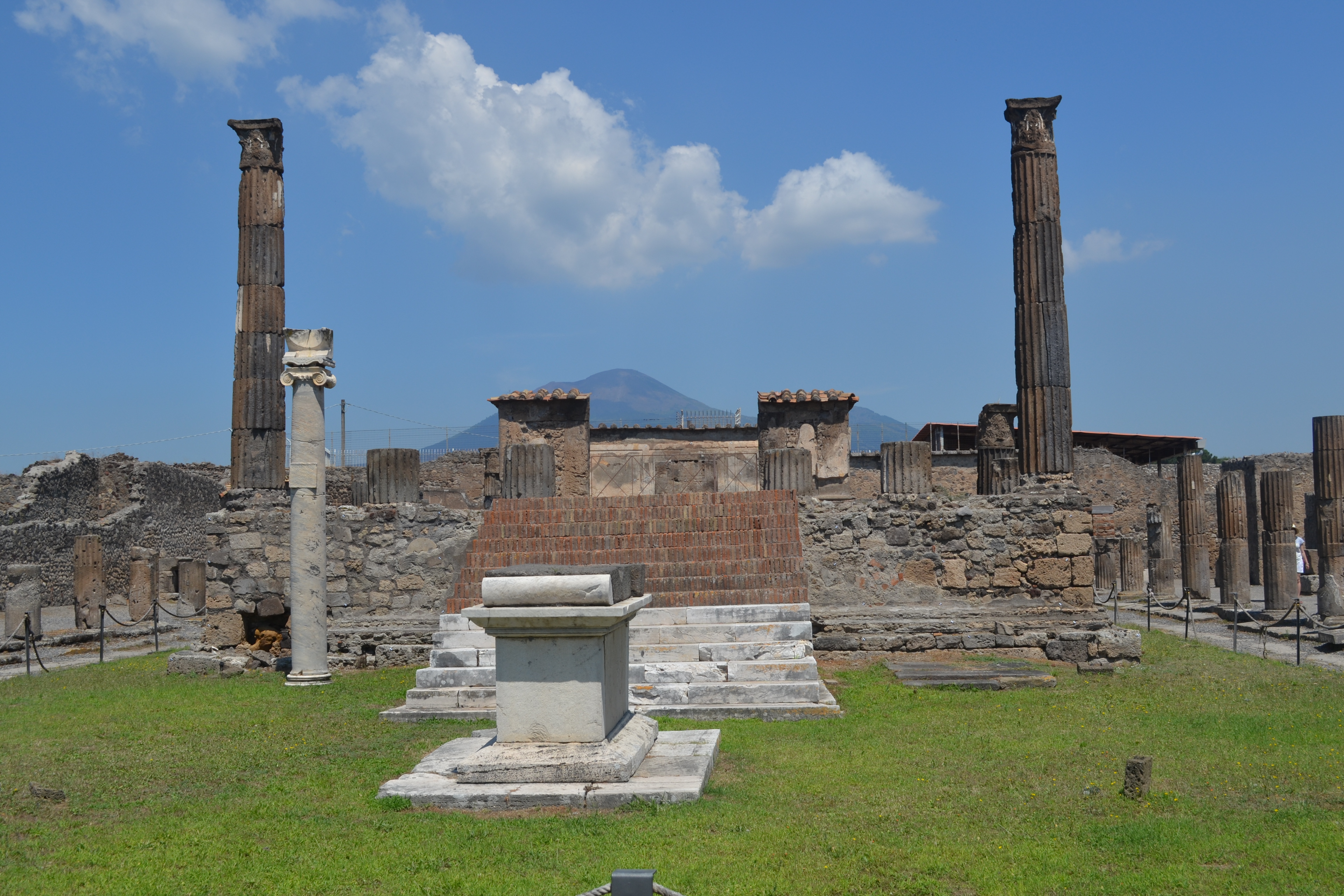
DSC_0795

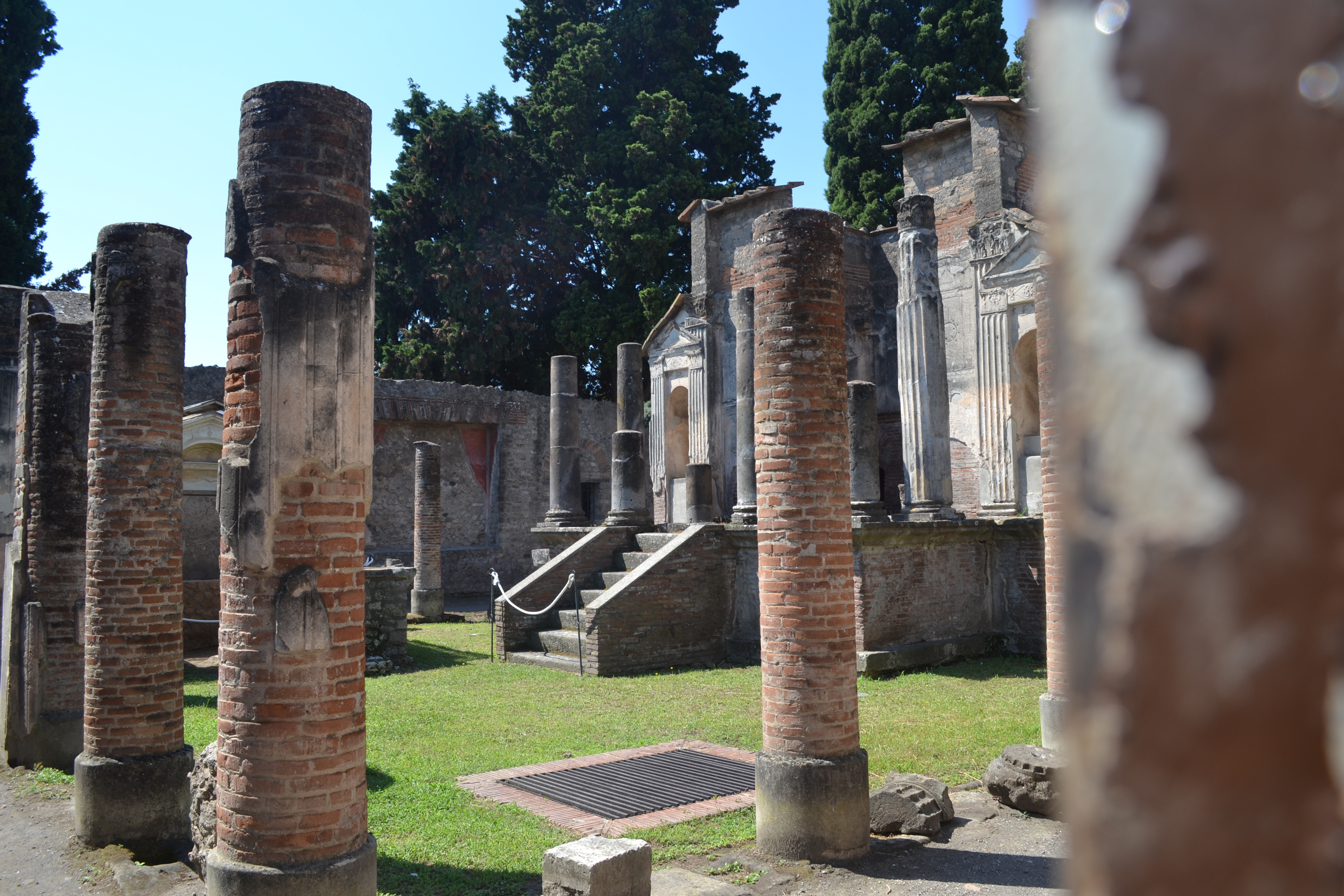
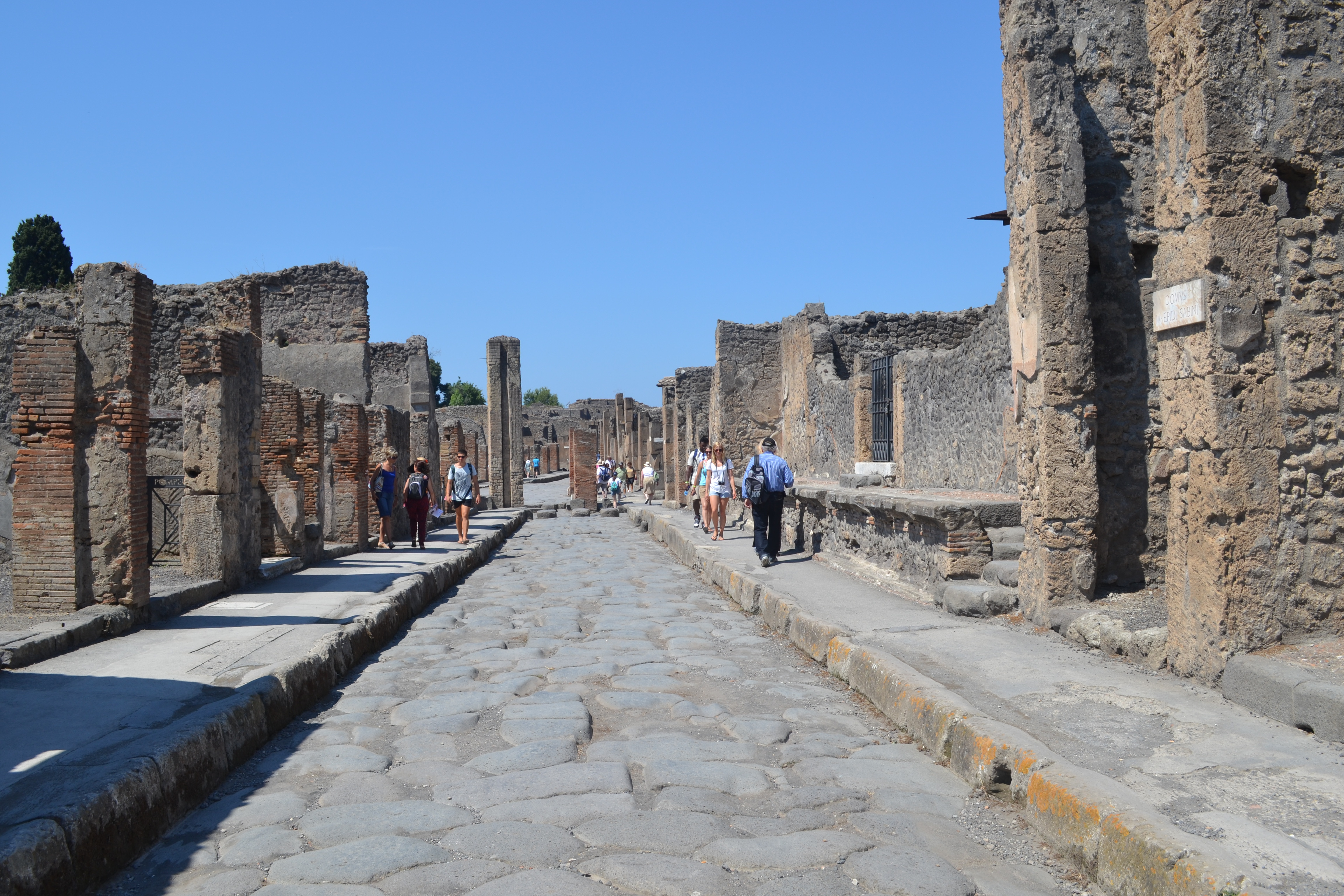
Now that I’ve seen Pompeii, I cannot describe it or give justice to the impact it had on me. Maybe I need to read a book before I can talk about Pompeii. So I’ll tell you about the wild ride up Mt. Vesuvius, the villain in Pompeii’s story.

DSC_0839

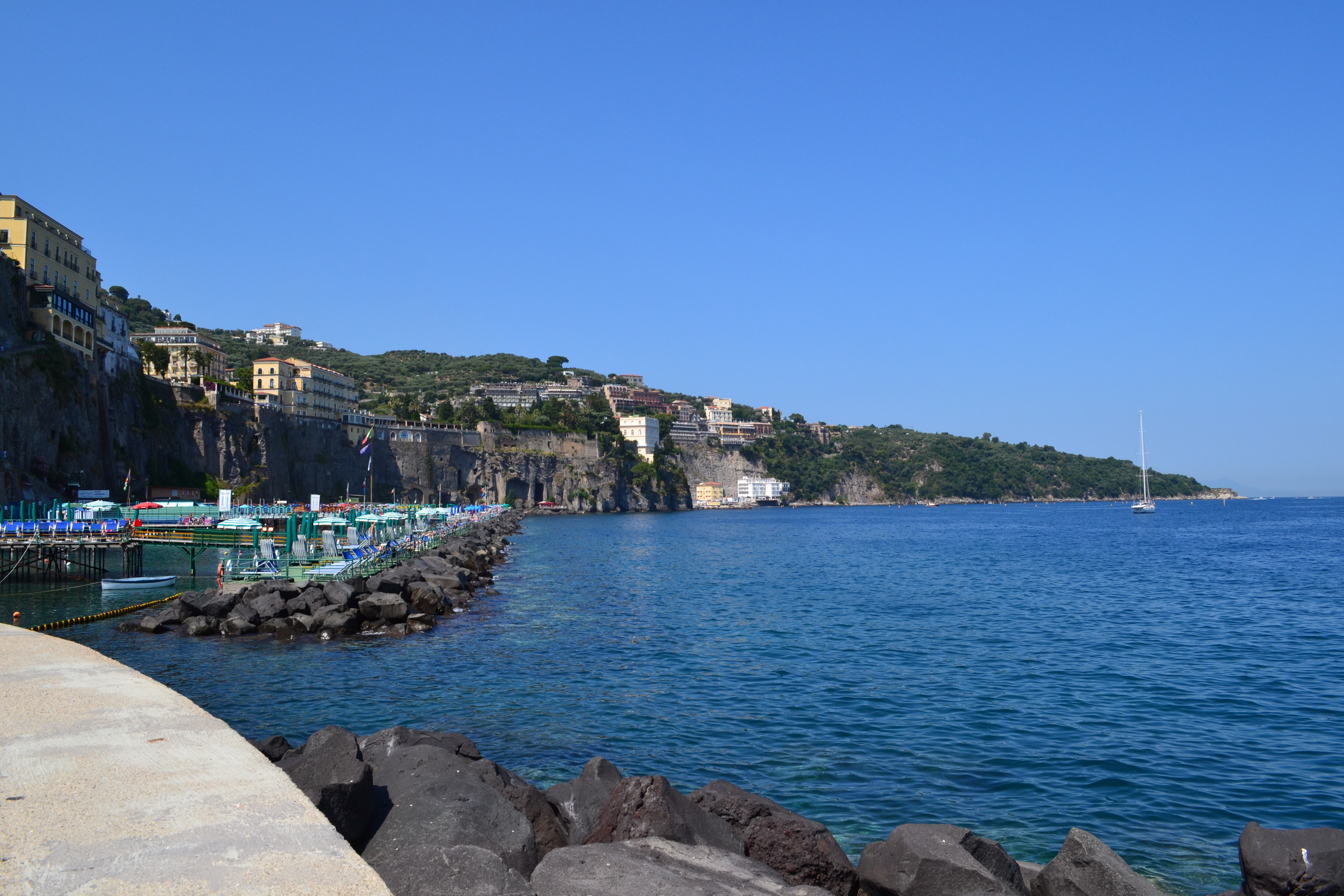
We went by water across the bay to Pompeii and then rode a bus to the site and then on to Vesuvius. People worried about getting seasick on the boat. As it turned out, the ride up the volcano took out a few of our group. From Pompeii, the bus lurched along a windy road past picture-perfect villas with “wedding” named or implied in their signs. Our guide explained that weddings are a big business at the base of the volcano with panoramic views of the sea. The resorts featured all the usual stereotypes of Italy, vine and flower-draped balconies, water flowing over replicas of Rome’s Trevi fountain, courtyards ready for grand receptions, and backdrops for wedding photos. It was a bit surreal after seeing the ruins of Pompeii.DSC_0848

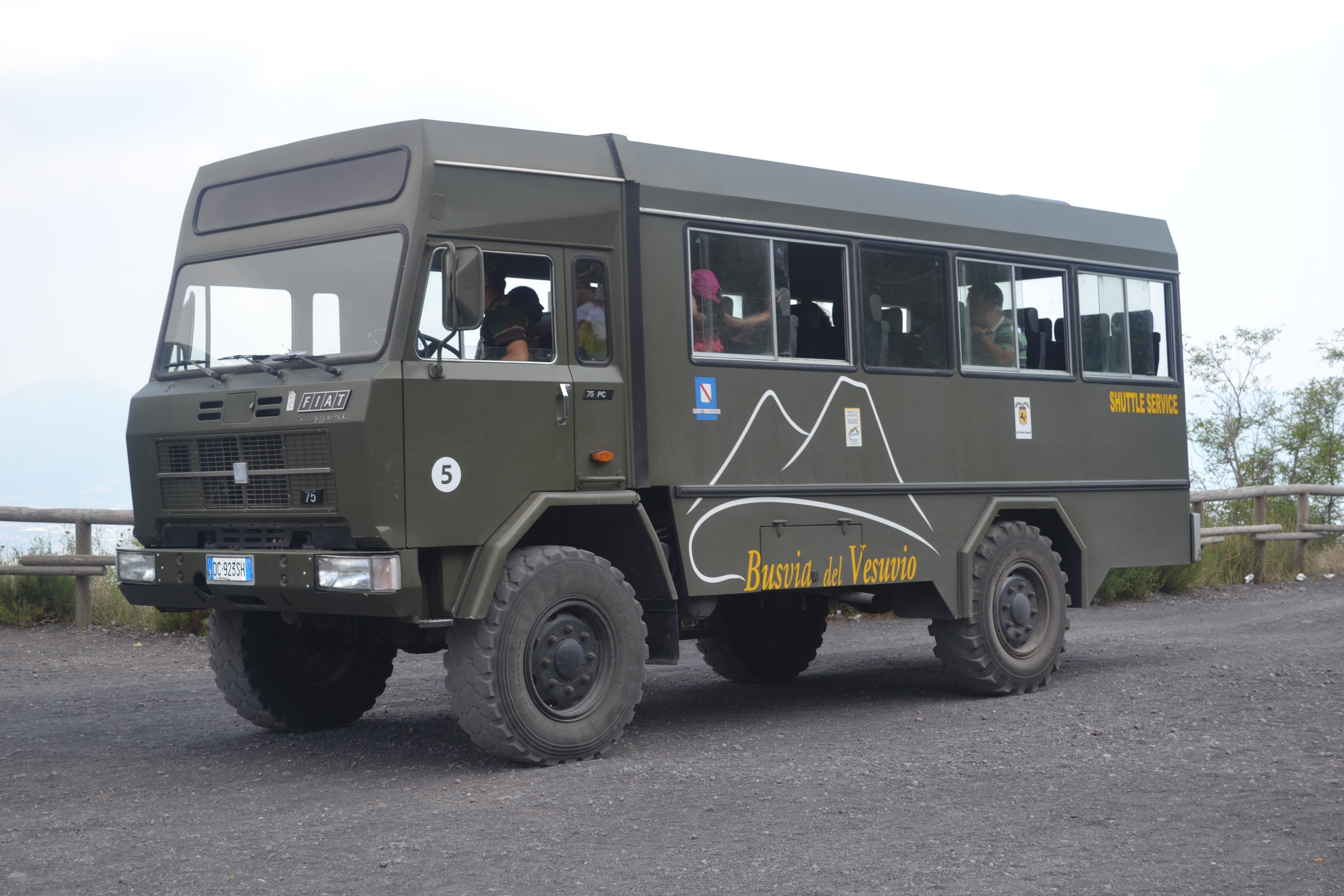
We arrived at the official place for transport up the mountain. These are serious vehicles used to climb the narrow zig-zaggy road to the footpath. The drivers loaded us onto one of the vehicles and told us to put on our seatbelts. About three-quarters of the group found a working seatbelt. The rest of us held onto the handles in front of us and hoped for the best. We started up the mountain, rocking and swaying, and bouncing in our seats as our driver talked to our guide. He gestured with one hand as he conversed, steering the people-mover with the other hand and glancing only occasionally at the road as he made the hairpin turns. Some of our group began to hang their heads and their faces turned quite pale as the rocking went on and on. About half-way up, our driver answered his cell phone, holding it up to his ear with his free hand. “Ciao!” he said, followed by a loud in-your-face conversation which seemed to be related to our stopping to let another mammoth pass us on its way down the mountain. Those of us in the back felt the wheels move sideways as the vehicle made its turns. Very cool.DSC_0887

The ride up the mountain lasted around twenty minutes. The green-faced jumped out with relief, but they were given only a moment to rejoice. Our guide pointed to the steep footpath ahead, illuminated with early afternoon sun, and said “It’s only a 200 meter climb to the crater.” He smiled as he showed us the way, stopping every 50 meters or so to let everyone catch up. “Almost there. Not far now.” The problem, of course, was that those of us in the front enjoyed a nice rest, but when the slower climbers reached us, he moved on before they could catch their breath. Someone blasted Santana from his phone as we climbed. It was a bit irritating to have the solitude of the climb interrupted by an electric guitar. It was even more distressing when I realized it was my phone playing a pocket selection of I-Tunes. Oops.

We made it to the crater where another guide told us about the history of Vesuvius and its eruptions. He also explained the continued monitoring of the volcano, but pointed out that there is no real plan on how to move three million terrified people if there is indication of an upcoming eruption. He said the current plan was to hope the mountain might wait until technology comes up with flying cars or a molecular transport system. Ha-ha. The green got greener. They brightened when our guide said we would spend only fifteen minutes at the top, before trekking back down to an air-conditioned transport. The ride back down was sure to be smoother.DSC_0855 DSC_0862

Perhaps I’m a bit jaded, but do we need souvenir stands at the top of Vesuvius? Water and other refreshments are necessary and a defibrillator and heat-exhaustion medication, certainly. But postcards amid lava rock statues? It seems to take a little away from contemplation of the destructive 79 AD eruption. But moving on.

The giant people-mover that waited for us was not air-conditioned, but on the plus side, it had enough working seatbelts for everyone. Another jerky, rocking ride. Another dramatic phone call and a long wait at the passing curve. Then onto the air-conditioned bus for the bumpy ride back to the boat. Those carsick people actually smiled when they saw the boat. Except… thunderstorms and a bit of a rough sea. For the rest of us — chilled Limoncello and Italian beer.

There are true adventurers, who withstand all kinds of discomfort to see the world. I salute those people on our tour who knew they might get sick, but ventured on, so they can say “I stood on top of Mount Vesuvius.”

Getting over fashion in Milan

There are two things that I have discovered about myself in Milan. The first is that I cannot learn the language of every country I visit. The second is that fashion is not for me. Some of you are saying “duh” right now, because you know these things about me already. It took some time for me to realize the facts of my life.

After five years of French, I can read a menu and exchange a few niceties in Paris, but I’ll never be fluent. As it turns out, I seem to have more of an ear for Italian, although that isn’t saying much, because I began language studies too late in life. So, I must call myself what I am – a tourist. That is not easy to say. I don’t want to be a tourist. I want to blend into the culture and not stand out as a foreigner.

DSC_0777 (3)

My hosts in Milan pointed out that I look American and I don’t seem to be the fashion type. They said this with caring and respect, because I think I picked the only family in Milan that doesn’t care about fashion. They saved me from buying into the whole “you’re nothing if you’re not fashionable” mindset.

It is natural to want to be noticed in a place where rich tourists parade down the Gallerie Vittorio Emanuele II with their Versace purchases, expensive jewelry and Montblanc watches dangling from their wrists as they carry the bags. Every other woman looks like a model. And boy do they know how to walk with confidence and how to face down anyone not willing to move from their path on the sidewalk. These women pull their fingers through their hair in a certain way that shows they know they have style and they know we are watching them with envious eyes. It is difficult to not feel intimidated by young beauty. Sometimes, though, it is the older women who remind me of my style faux pas. I can tell you I have been sneered at for my gray Sketchers many a time in Paris and Milan. I found out that I will never meet MY expectations when I dress for Milan, because I expect to be fashionable on an unfashionable budget. I cannot justify spending a month’s worth of health insurance premiums on a handbag that is $500 at 50% off. It doesn’t make sense to want to be one of those women, yet balk at the price or not care about the value of a designer label. I finally understood this after a few days in Milan.

There are women who define themselves with fashion. These are women who know what they like and how to wear it, but they choose their clothing by cut and style, not by the hippest designer. They choose a designer because he/she speaks to their style. I know it is a fine line here. There is a difference, though. They are using fashion to augment their personalities and yes, they are using fashion to get noticed. I’ll say it again. We all want to be noticed. It’s just that wearing designer clothes for the sake of being “in fashion” is not being true to oneself.

A tourist must be practical. I walk 2-5 miles a day. I cannot wear high heels or fussy shoes. I can’t afford to dry clean expensive outfits or count on a washing machine or iron. Everything I carry must be able to withstand sink washing with odd soaps and be wrinkle resistant. Yet I continued to deride myself for not being fashionable. My host family told me where to get the best bargains on practical clothing like t-shirts and socks. In the heart of the city center, I bought a pair of pants with an elastic waist for 10 euros. It is the only pair of pants that fit me without falling down to my knees. You know the book about the “traveling pants” that fit all the girls who wore them and how they changed their perspectives on their bodies and lives? Well, these cheapo pants did that for me. When I wear them, I know that I will not be fashionable and it frees me to look for attention in other ways. Or even more important, it frees my mind to take in the incredible sights and experience things outside of the fashion district.

DSC_0757 (2)

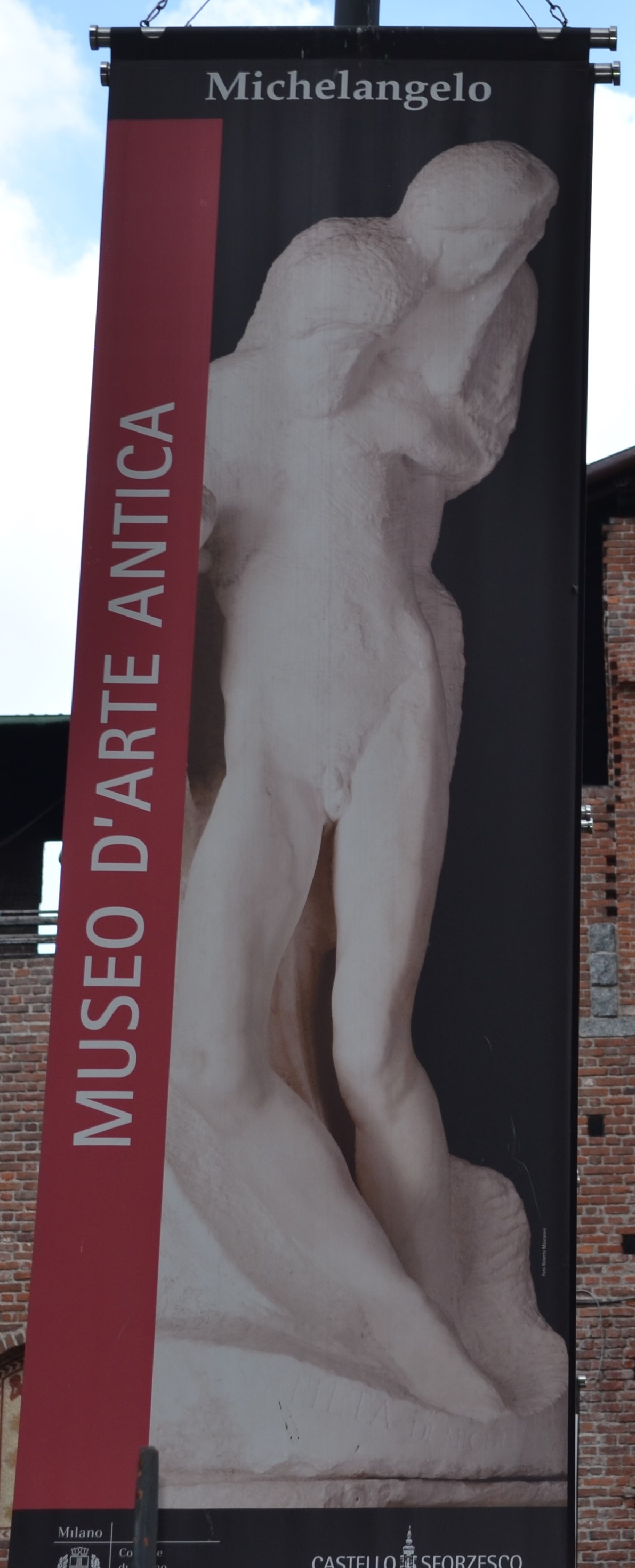
I saw Michelangelo’s Rondanini Pieta in the Castello Sforzesco museum. For ten minutes, I walked around the statue, close enough to touch it, and I was the only person there. I went inside the Duomo with an art historian who explained the gruesome statue of a man without his skin. I went to the other part of the museum that houses The Last Supper. Again, I was the only one in the Sacristia del Bremante in Santa Maria delle Grazie looking at pages from Da Vinci’s Codex Atlanticus. Fashion is a form of art and should be taken seriously, but after I pushed fashion aside, I was able to see some of the other art of Milan.

When I stopped worrying about fashion, I actually found that confidence I lost. I began to try Italian and was willing to sound like a clumsy, clueless tourist. And do you know what happened? I began to be noticed in a good way. I started the real process of being me.

My Travel Tips (So Far)

1)      No matter how much you take out of your suitcase and leave behind, the bag’s weight will always stay the same. It’s as if there is a balance inside that resets to the original “too heavy to carry” weight.

2)      Someone will always carry your bag up the stairs if you stand at the bottom, sigh heavily, and wait long enough (especially if you block the access to the staircase).

3)      Take a taxi from the rail station to your hotel, but learn the subway or bus system for the ride back to the station.

4)      Remember that if you can’t read your handwriting, the ticket agent has no chance.

5)      Non-refundable and non-flexible train tickets mean just that. And sometimes you just get lucky and someone bends a rule – sort-of.

IMG_0824

6)      Learn medical terms in the language of the country you are visiting, because as soon as you leave an English-speaking (or your native) country, you will get sick enough to need help. I found out I can conjugate every tense of the verb “etre”, but I couldn’t remember important body parts like ears, nose, and throat. And I certainly wasn’t prepared in my much-anticipated croissant baking class with an actual French pastry chef, to say, “Excusez-moi, but I’m about to do a face plant in my croissant dough if someone doesn’t help me to a chair.” Luckily one of the receptionists at the school is British and she brought me sugar tea, the best-ever cure for everything.

7)      You will have to wear those emergency glasses you packed. You know the ones – dorky-looking style with even dorkier-looking clip-on sun shades. You will leave your prescription sun glasses in a Paris taxi with a driver who is tired of making sure you are at the right address. He will throw all your luggage on the sidewalk, demand his payment, and leave before you realize what has happened. You will have to wear these glasses in Milan, the fashion capital of the world.

DSC_0735 (2)

8)      If you are traveling alone and book a single room in a B&B, it will be at the top of four flights of stairs. If you opt to share a bathroom, you will be in the attic room and the bathroom will be down two flights of stairs.IMG_0801 (2)

9)      You will wish for English porridge after a few days of outstanding French and Italian pastries.

10)   The only way I will ever have a tan is from a bottle or if all my freckles join together.

11)   No weight lost after traveling for three months will come off the thighs. This is as true as the suitcase principle explained above.

12)   Do not ask anyone in a shop how to find a major street. They have no idea how they traveled to work.

13)   Most Americans seem to spend the Fourth of July in Paris. (including me, as it turns out).

IMG_0822 (2)


*** Most Important Travel Tip***

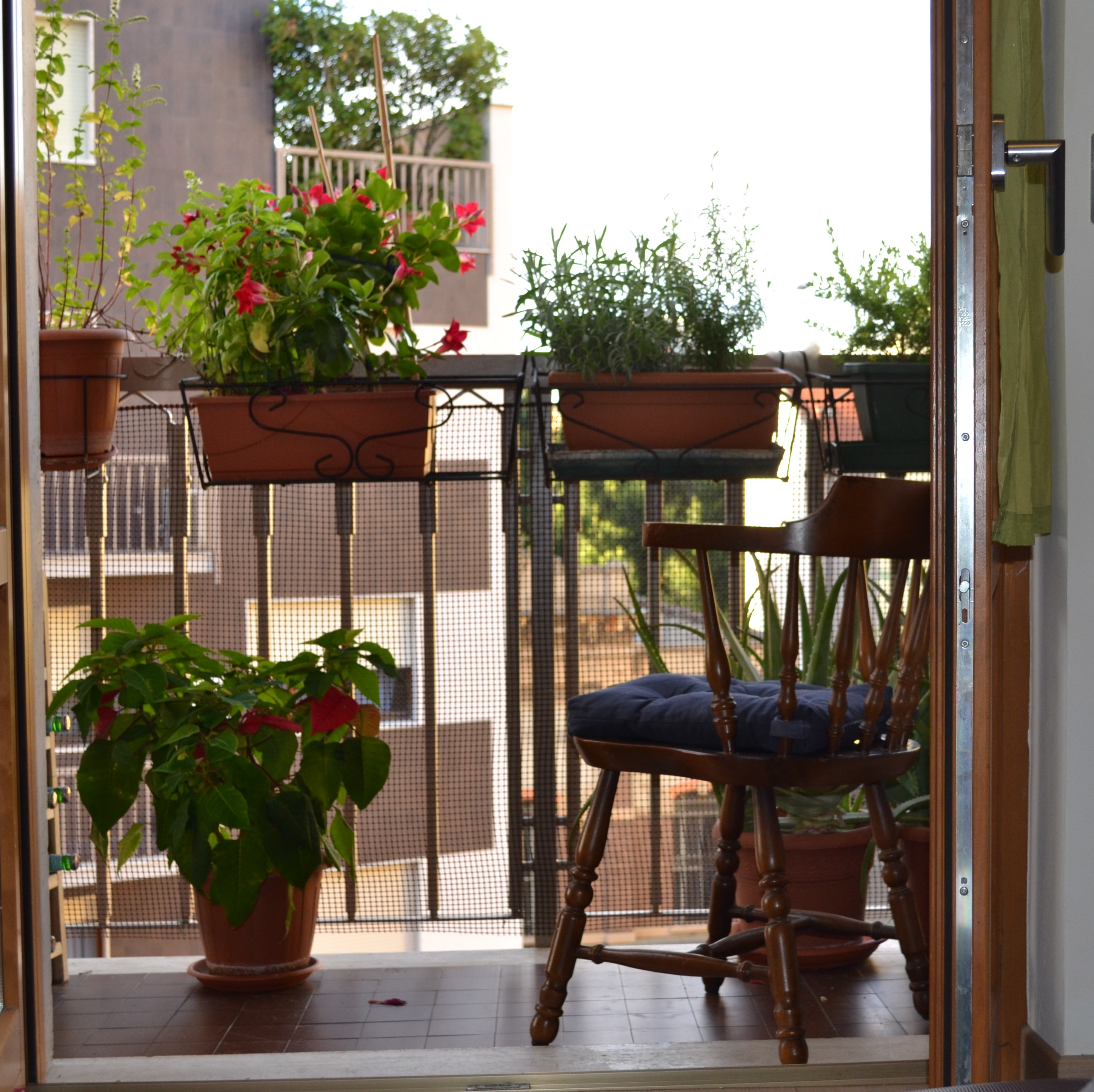
This world is full of caring, interesting people who smile as they help you find your way through the labyrinth of unfamiliar places and languages. My experiences with Airbnb, B&B’s, and hotels has been extraordinary. Every day is stimulating whether it’s raining in Geneva or I’m sick in bed in a Paris apartment watching the pigeons and listening to the music outside. Even if I’m stuck on a train with every Paris child headed to summer camp, their laughter is intoxicating, because I remember my children on a train from Paris to London. Today, I’m writing this on a balcony overlooking a courtyard in an ordinary neighborhood in Milan. I can just see the spire of the Duomo above the buildings. I think of my niece and her family who were here a couple of weeks before me. We’re all connected, even when we are apart. Even when language differences make conversation difficult, we communicate by smiling and finding common words

Traveling this way and staying with people in their homes has enriched my life so much more than isolating myself in hotels. Hotels are a great retreat, though, for regrouping and meditating after a lot of stimulation. And while it is sometimes hard to pack the suitcase again or look for another train, it’s all been worth it.

Umbrellas, Bicycles, and Summer Dresses

Now that I’ve left England, there are some images I want to share. These images reflect the adaptability of the people in the places I visited and the beauty in everyday things.

Umbrellas and wellies are pretty much standard fashion items in the UK. Most times they are made of utilitarian materials in basic shades of black and army green. I noticed that when the rain hit, people’s wardrobes also became black and gray, as if the clouds and fog enveloped their very beings. Wouldn’t it make sense to wear cheerful clothes when the lines of the environment are smudged into a charcoal tableau of noir? After experiencing a true deluge of a day, when the umbrella cannot be big enough to protect anything but the top of your head and your shoes and pant legs are so waterlogged that they can’t absorb any more moisture, I realized black is the only choice. When that car drives through the puddle and throws more grimy water at you, you want a color that will hide the mud stains. A nice cheery red or yellow is rubbish. Those colors are lightweights in the match of man versus rain. Black is the champion.

Umbrella colors change a bit when Spring pops around. I noticed this in Bath. The owner of the French restaurant had just brought us complementary brandies when the rain started. American jazz played in the background as I watched the umbrellas pop up and people hurrying along the street. I suppose the brandy, the French dinner, and the jazz made me think of Gene Kelly. The image of him singing in the rain came and went. But it was American in Paris that I connected to the umbrellas passing by the window. The people underneath the umbrellas were hidden from me, so I thought of the music and the rush of umbrellas moving past the window, with an occasional red or flowered one breaking up the monotony of the procession. It seemed like those umbrellas moved like a scene in a movie that has been sped up to match the background music. The bright-colored umbrellas represented the change in the rain and everyone’s attitude towards it. This is one of those memories I will hold onto forever.

Bicycles are a transportation staple in England, especially in Oxford and Cambridge. There are bikes and trikes and cycles with two wheels in the front and one back. There are mountain bikes for the dirt trails around the river and canal. There are cruising bikes for getting around campus. There are commuting bikes that are sometimes left behind on weekends when the owners take out their road bikes for serious cycling. People in England are not fair-weather cyclists. They put on a slicker or rain coat and put on a hat and ride to work – every day. Women sometimes wear a helmet, but often just tie up their hair and consider that the style for the day. They ride in the ice and snow.

Mothers meet their children after school with a bike instead of a car. When school lets out, it is usual to see toddlers and young school children in contraptions attached to a bike. Many mothers and fathers have standard bike carriers attached to their bikes. Some have posh front carriers where a child is seen reading inside as his parent bikes them home. Many children have little scooters they ride alongside their biking parents. I’ve even seen old wooden-sided wagons used on the front of the bike to carry anything from dogs and children to gardening soil.

The on-the-edge teenagers lean their bikes up against fences and smoke and chat. Riding a bike is not unusual for cool guys. They take the bus or ride their bikes to the clubs. If a group wants to go outside of the parental radar, they can take a train to about anywhere and still be home by curfew. I’m sure there are plenty of younger drivers, but the price of petrol is pretty steep, so biking makes more financial sense.

There are people in Oxford who sold their cars, because they never took them out of the driveway for months at a time. There is something oddly intriguing about men who commute on bikes in their suits and ties, who stop at Tesco or Sainsbury’s to pick up dinner on their way home from work, and who sit up straight as they wind in and out of traffic. Or women decked out in heels and skirts heading to their business meeting or blind date. Or students with their black robes parachuting behind them as they race to class. There are cities in the U.S. where bikers are common and encouraged, but I’ve never lived in a place where bikes are so much a part of the everyday culture and not limited to weekend recreation.

There are six weeks out of every year devoted to summer dresses. It doesn’t matter if she’s pudgy or slim, if her skin is pale or bronzed, or if her legs are toned or flabby, every woman in the United Kingdom wears a summer dress or skirt in July. I might be exaggerating – just, but it seems true. And they all look wonderful. They refuse to give up their bare shoulders or exposed legs —  even in the most inclement conditions. If the calendar says July, one wears a light, perky dress. Even I, the ultimate cover-up queen, splurged at Primmark and paid a fiver for a summer dress. When I wear it, I get it. The only way to describe it is to imagine oneself twirling. Women aren’t worried about how they look in a summer dress like they worry when they put on a swimsuit. There is a dress out there for any body type. Even a long skirt, that flows with a woman’s shape and brushes against her ankle as she walks, makes her feel feminine. She’s put aside the business suit, the sweater set and tights, and put on a girlie outfit. Like Maria, she feels “pretty and witty and gay”.

The sad news is that the United Kingdom’s natural kingdom appears to be rushing autumn. There are signs of autumn as July begins, so by the time I get back to the UK, the carefree days of summer might be over. It will be back to black umbrellas, green wellies, and hats and tied-up hair. Summer dresses will be replaced by dark trousers and wool skirts. Summer dresses will be but a memory of something once bright and beautiful.